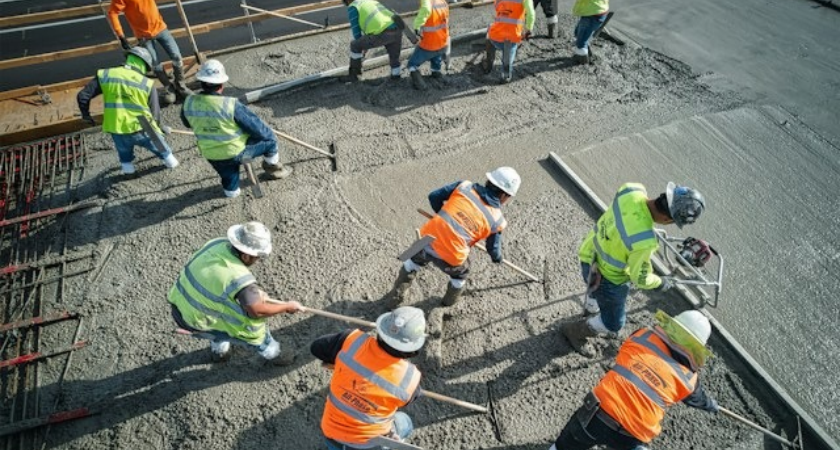
Houston Methodist Hospital has launched construction on a new freestanding emergency department in Baytown, expanding access to urgent medical services in the growing Southeast Texas region.
.avif)
The $17 million project will deliver a 24-hour emergency care facility designed to improve patient flow, reduce wait times and enhance access to outpatient services. According to project details, the building will span approximately 11,900 square feet and include 10 exam rooms, along with a full suite of support services.
The facility will feature on-site imaging, a diagnostic laboratory and a pharmacy, allowing clinicians to provide comprehensive care in a single location. The design also incorporates separate check-in areas and dedicated outpatient access for imaging services—an approach increasingly used to streamline patient intake and reduce congestion in emergency departments.
Healthcare providers are increasingly turning to freestanding emergency departments as a way to meet rising demand while alleviating pressure on main hospital campuses. The Baytown facility reflects this trend, emphasizing operational efficiency and patient-centered design.
By separating outpatient imaging access from emergency care intake, the project aims to minimize bottlenecks and improve throughput. This layout is particularly valuable in suburban and rapidly growing communities, where emergency departments often experience fluctuating demand throughout the day.
The inclusion of a diagnostic lab and pharmacy on-site further enhances the facility’s ability to deliver timely care without requiring patient transfers, a key factor in improving outcomes and patient satisfaction.
Construction on the Baytown emergency department is expected to be completed by mid-2027. Once operational, the facility will expand Houston Methodist’s footprint in the region and provide residents with closer access to critical care services.
The project aligns with broader healthcare construction trends across the United States, where providers are investing in decentralized care models to better serve expanding populations and reduce strain on large hospital systems.
Freestanding emergency departments, in particular, have gained traction as healthcare systems seek to balance cost efficiency with accessibility. These facilities offer a scalable solution that can be deployed in underserved or high-growth areas without the need for full hospital infrastructure.
As population growth continues across Texas, projects like the Baytown ED highlight the role of targeted healthcare construction in meeting community needs while modernizing service delivery.
Originally reported by Robert McCune in Health care Design Magazine.