Major wastewater infrastructure investments continue to generate significant opportunities for heavy civil contractors as utilities and public agencies address aging systems, regulatory requirements and environmental performance goals. The latest contract award in western Pennsylvania underscores the growing scale of underground water infrastructure projects across the United States.
Steel City Tunnel Partners, a joint venture between The Lane Construction Corp. and Brayman Construction Corp., has been awarded a $1 billion contract to construct the Ohio River Tunnel in the Pittsburgh region.
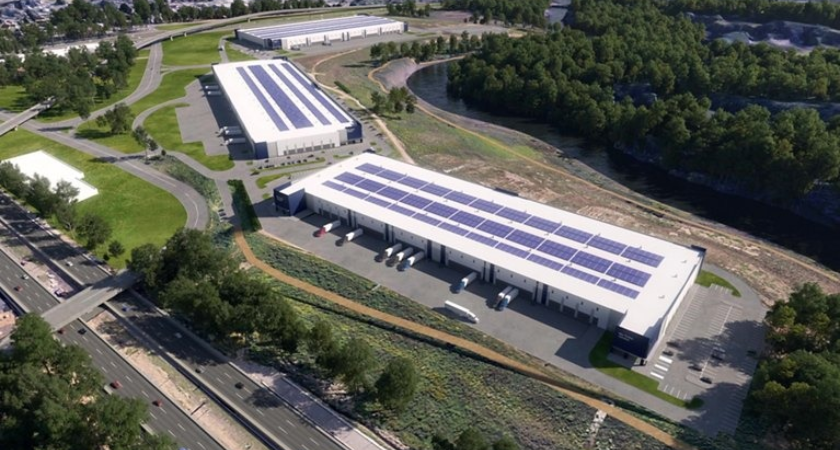
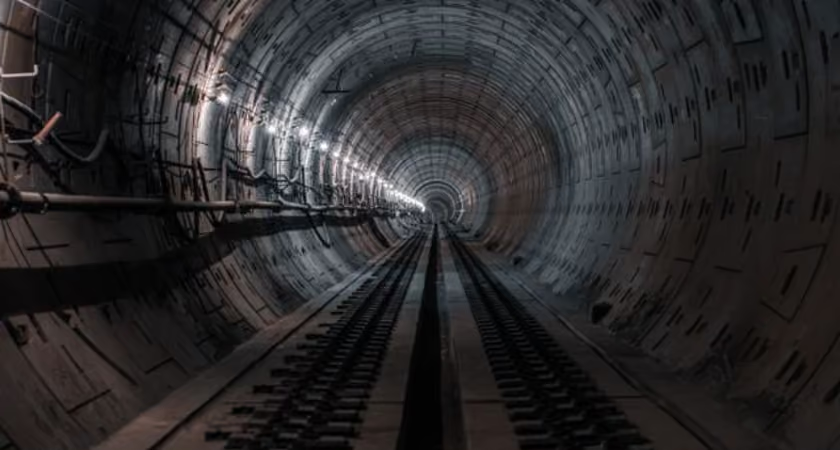
The project is a key component of the Allegheny County Sanitary Authority's Clean Water Plan, a multi-billion-dollar program aimed at improving regional water quality and reducing combined sewer overflows. Work includes construction of approximately 4.9 miles of deep tunnel, multiple access shafts, regulator structures and supporting surface facilities designed to capture and transport wet-weather wastewater flows for treatment.
According to project information, the completed system is expected to reduce combined sewer overflows into regional waterways by roughly 7 billion gallons annually. Construction is scheduled to begin later this year.
Under the joint venture arrangement, Lane will lead project management and major tunneling operations, while Pittsburgh-based Brayman will oversee shaft construction and key heavy civil activities. The Ohio River Tunnel is the first of three planned deep tunnels within ALCOSAN's broader regional tunnel program.
The contract strengthens both companies' positions in the growing underground infrastructure market and adds a major project to their heavy civil portfolios. For Lane, the award expands its backlog of large-scale tunneling work, while Brayman gains another significant infrastructure project within its home market.
The project is expected to generate substantial demand for specialty subcontractors, tunnel equipment suppliers, concrete producers, geotechnical firms and other construction partners throughout the multi-year construction period. The scale of the work also highlights continued investment in underground water infrastructure, an area of increasing focus among utilities facing regulatory and environmental compliance requirements.
Utilities and municipal agencies across the country are investing billions of dollars in wastewater system upgrades to address aging infrastructure, population growth and environmental regulations. Deep tunnel systems have become a common solution for managing combined sewer overflows in urban areas, particularly in older cities with legacy wastewater networks.
Large tunnel projects have emerged as a significant segment of the heavy civil construction market, requiring specialized expertise in underground excavation, geotechnical engineering and complex water infrastructure delivery. The Ohio River Tunnel reflects a broader national trend of long-term capital investments aimed at improving system reliability, environmental performance and regulatory compliance.
Source: Lane Construction Corporation.