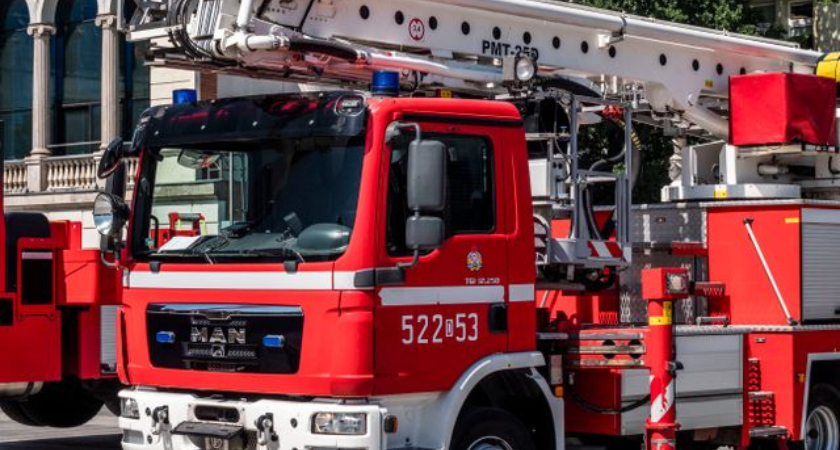
A redevelopment project aimed at modernizing emergency response infrastructure in Kingston, New York, has entered the construction phase with the start of work on a new central fire station for the Kingston Fire Department.
The project adds to ongoing municipal investment in public safety facilities across the Northeast, where local governments continue upgrading aging stations to improve emergency operations, firefighter readiness and community resilience.
LeChase Construction Services is overseeing the project as general contractor through its New York Metro office. The work involves converting an existing structure into a new fire station equipped to support daily fire operations and emergency management activities.
Plans for the facility include expanded apparatus bay aprons, a 10-bed dormitory, officer command space, a radio communications room, kitchen facilities and support areas for personnel. The development also includes a 2,500-square-foot secondary storage garage with two bays.
In addition to fire department operations, the facility will house the city’s emergency operations center and dedicated training rooms designed to support preparedness and coordination activities.
Municipal fire station projects continue to generate construction activity across regional public sector markets as cities modernize facilities that no longer meet operational or building performance requirements.
Projects increasingly incorporate multi-use emergency management functions, expanded training capabilities and updated accommodations intended to support around-the-clock staffing requirements.
For contractors and public owners, adaptive reuse of existing buildings has also become a common delivery approach as municipalities seek to balance modernization goals with project cost controls and site constraints.
The Kingston fire station project reflects continued investment in essential civic infrastructure and emergency response capacity. For construction firms, public safety projects remain an active sector driven by aging facilities, operational upgrades and resilience planning needs.
The addition of emergency operations and training functions within a single facility also highlights the growing demand for integrated municipal buildings capable of supporting both daily response activities and large-scale emergency coordination.
Source: Le Chase.