The U.S. construction industry faces a growing need for skilled workers as retirements, infrastructure investment and demand across multiple sectors increase pressure on the labor pipeline. A new national workforce initiative backed by major companies and industry organizations is seeking to expand training capacity and improve pathways into skilled trades careers.
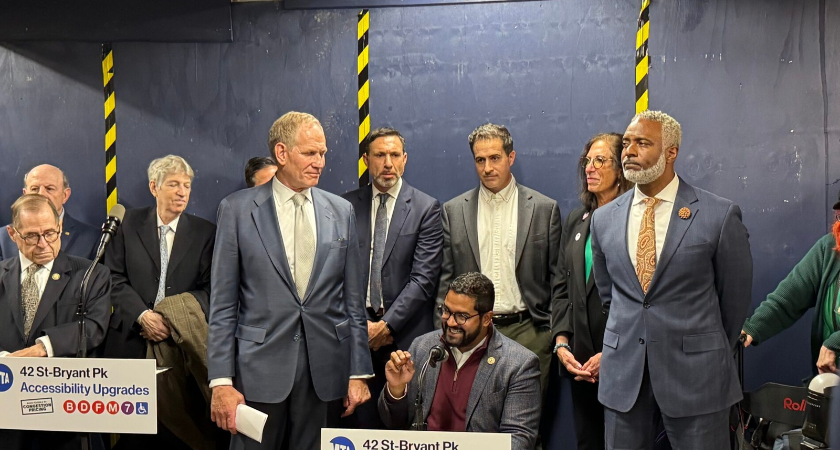
The Lowe’s Foundation launched the Building Futures Skilled Trades Coalition in Mooresville, North Carolina, bringing together more than 75 organizations representing education, business, workforce development and skilled trades. The coalition's goal is to train and develop 1 million people for skilled trades careers by 2035.
The coalition is designed to address workforce shortages across construction, HVAC, energy, telecommunications, automotive manufacturing and other skilled occupations.
Participants will work on three broad areas: improving perceptions of skilled trades careers, expanding proven training and credentialing programs, and developing shared measures for tracking progress from training through employment.
The initiative builds on the Lowe’s Foundation’s existing workforce investments. Its Gable Grants program has supported 73 community colleges and nonprofit organizations across 30 states, according to the foundation. The organization has also expanded its long-term workforce commitment through a $250 million investment intended to help train and develop 250,000 tradespeople by 2035.
Founding corporate participants include NVIDIA, AT&T, Bank of America, Carrier, General Motors, DEWALT and Duke Energy. Industry organizations participating in the coalition include the National Association of Home Builders, the National Center for Construction Education and Research and SkillsUSA.
The cross-sector structure is intended to connect employers with training providers so programs can better reflect actual labor demand and employer requirements.
The workforce initiative comes as contractors continue to compete for qualified craft professionals, supervisors and other skilled workers. Construction employers must also prepare workers to operate alongside increasingly sophisticated technology, equipment and digital project-management systems.
For contractors, expanding the labor pool is only one part of the challenge. Training programs must also help workers develop the technical, safety and productivity skills required on active projects. Stronger connections between education providers and employers can help reduce the gap between classroom training and jobsite expectations.
The coalition's emphasis on measuring outcomes from training to employment could also give participating organizations better information about which programs are producing workers with skills that employers need.
A larger and better-connected skilled trades pipeline could help construction companies address labor shortages while supporting the delivery of housing, infrastructure, energy and industrial projects.
For contractors and developers, expanded training capacity may provide access to a broader pool of qualified workers. For workforce organizations and educators, stronger employer connections can help align curricula and credentials with project requirements.
The initiative also signals a broader shift toward collaboration among employers, training providers and industry groups as construction and other skilled-trades sectors compete for workers. Measuring employment outcomes and scaling programs that demonstrate results could become increasingly important as demand for skilled labor continues to grow.
Source: Lowe's.