SALINE TOWNSHIP, Mich. — Construction is moving forward on a massive $16 billion AI data center campus tied to OpenAI and Oracle’s Stargate initiative, despite strong opposition from residents and local officials in rural Saline Township, Michigan.
.jpg)
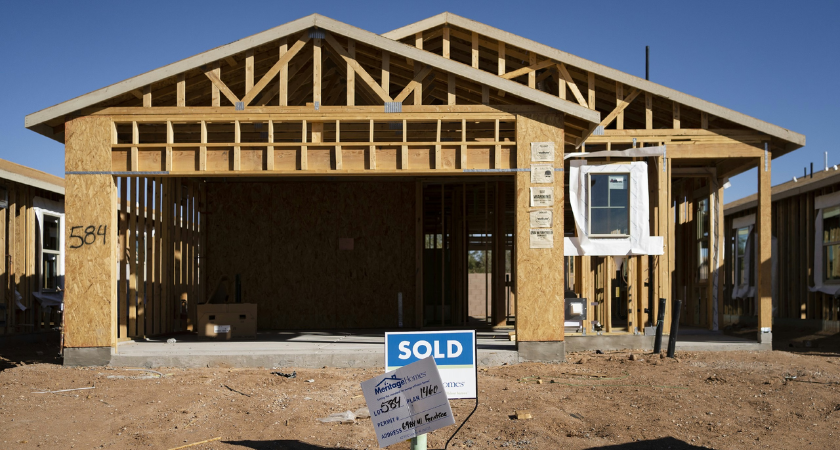
The planned 21 million-square-foot development is expected to become the largest construction project in Michigan history. The project, backed by developer Related Digital, has become a flashpoint in the national debate over the rapid expansion of AI infrastructure and its impact on rural communities.
Local officials initially rejected the proposal in September after the township planning commission and board voted against rezoning approximately 575 acres of farmland for industrial use. Residents argued the project conflicted with the township’s agricultural character and raised concerns about water use, energy demand, traffic and environmental impacts.
However, construction began shortly after Related Digital filed a lawsuit alleging exclusionary zoning practices.
“It was between a rock and a hard place,” township attorney Fred Lucas told Fortune. “I’m not sure there were any good solutions.”
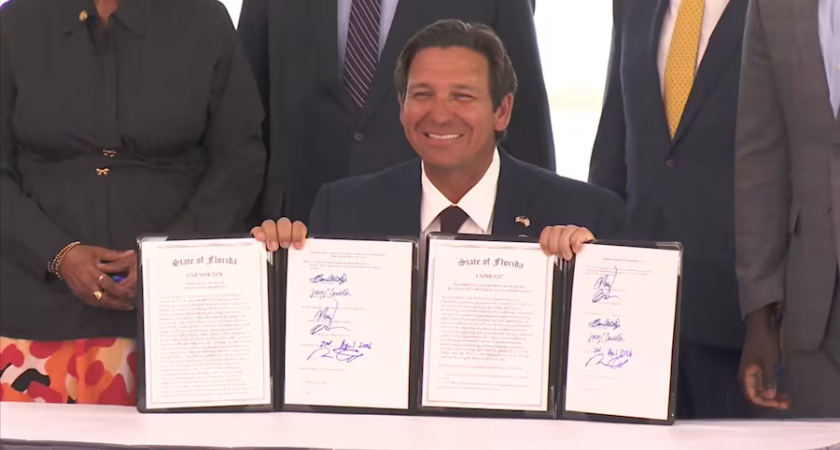
Following the lawsuit, township officials reached a court-approved settlement allowing the project to proceed. In return, Saline Township secured roughly $14 million in community benefits, including funding for farmland preservation, local infrastructure improvements and fire department support.
Michigan officials have actively pursued large-scale AI infrastructure investments as demand for computing power continues to rise nationwide. Gov. Gretchen Whitmer previously praised the project, citing expectations for 2,500 union construction jobs, 450 permanent on-site jobs and an additional 1,500 indirect jobs in the surrounding community.
Developers selected the site partly because of its access to major transmission infrastructure capable of supporting the project’s estimated 1.4 gigawatts of electricity demand.
A spokesperson for Related Digital defended the project, saying there has been “misinformation” surrounding its environmental impact. The company said the facility would use a closed-loop cooling system designed to minimize water consumption and stated the project would pay fully for its own energy usage.
Oracle also emphasized its commitment to the region, stating the company is “committed to being a responsible partner to Saline Township.”
Despite construction activity already underway, some residents continue to challenge the project in court and through local zoning appeals.
Kathryn Haushalter, a former Marine who lives across from the project site, has emerged as one of the most vocal opponents. She expressed concerns about groundwater quality, diesel generator emissions, stormwater runoff and the long-term transformation of the rural landscape.
“We know what a big project this is, and what a nuisance it’s going to be, and what environmental impact it’s going to have on this area,” Haushalter told Fortune. “I’m just so nervous for everybody else that doesn’t realize.”
.jpg)
Haushalter also criticized the approval process, saying, “Maybe I’m just stubborn. Maybe it’s because I was a Marine. But this is wrong—and the way it was done is wrong.”
Other residents argue the township had limited ability to stop the project once legal action began. David Landry, an attorney who represented the township, said municipalities cannot reject projects without legal justification.
“The zoning power of any municipality — a township, a city, a village — is not absolute,” Landry said.
The Saline Township dispute reflects a broader trend playing out across the United States as hyperscale AI data center projects increasingly target rural areas with available land and access to power infrastructure.
Originally reported by Sharon Goldman in Fortune.