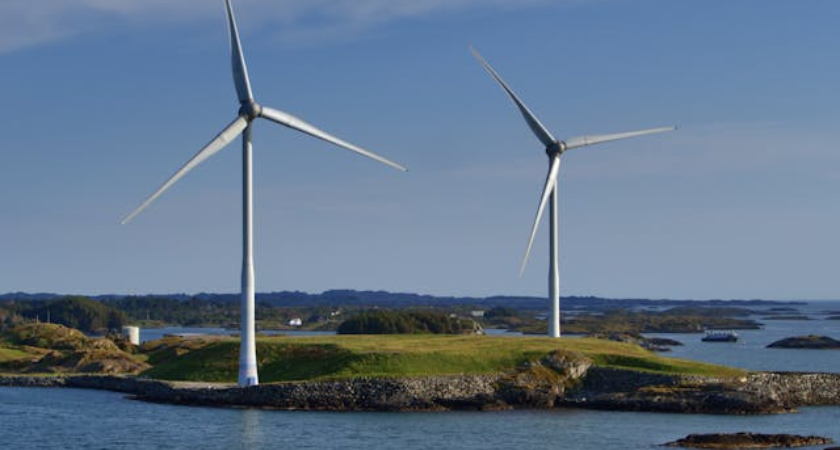
A growing backlog in federal reviews tied to onshore wind development is creating new uncertainty for renewable energy construction projects across the United States.
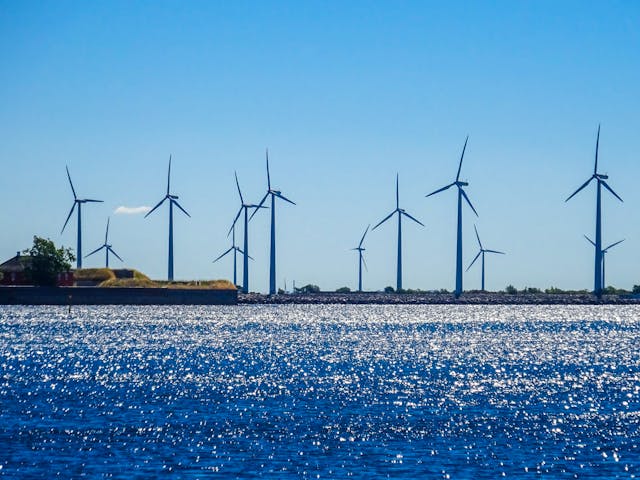
According to clean energy industry representatives, hundreds of proposed wind farms are facing delays as the Department of Defense continues evaluating projects for potential impacts on military operations and radar systems during the Federal Aviation Administration permitting process.
The review process is required for large wind turbine developments because turbine structures can affect aviation safety systems and defense-related radar operations. Before projects receive final approvals, federal agencies assess whether proposed installations pose operational or national security concerns.
Industry groups say the current slowdown has expanded significantly in recent months, affecting projects across more than 30 states. The delayed developments reportedly represent at least 30 gigawatts of planned generating capacity.
The Pentagon said reviews are continuing but described the process as complex and dependent on coordination among multiple federal agencies. Defense officials also indicated that some delays stem from broader administrative and operational constraints.
The permitting slowdown comes at a critical time for the renewable energy sector, as many developers are attempting to advance projects before federal clean energy tax incentive deadlines approach later this year.
Several wind developers are reportedly facing pressure to begin construction within specific timeframes to preserve eligibility for federal tax credits tied to renewable energy investment programs. Delays in obtaining federal approvals could complicate financing schedules, procurement strategies and contractor mobilization plans.
The issue is especially significant in major wind development markets such as Texas, Oklahoma, Iowa and Kansas, where utility-scale wind construction has become a major source of infrastructure spending and rural economic activity.
The uncertainty also arrives amid broader political and regulatory debate surrounding renewable energy development in the United States. Federal scrutiny of wind projects has intensified as policymakers weigh energy reliability, environmental goals and national security considerations tied to large-scale infrastructure expansion.
For the construction industry, prolonged permitting delays could ripple through project pipelines involving turbine installation, transmission infrastructure, civil works and associated manufacturing activity. Contractors specializing in renewable energy construction may face shifting schedules and delayed revenue opportunities if approvals continue slowing through the remainder of the year.
The permitting backlog highlights how regulatory uncertainty can significantly affect construction planning, labor deployment and capital allocation across large infrastructure sectors. For construction owners and developers involved in renewable energy projects, delayed federal approvals can disrupt procurement schedules, financing milestones and subcontractor commitments.
Projects dependent on federal tax incentives may face heightened pressure to accelerate construction timelines once approvals are secured, potentially increasing labor demand and pricing volatility in key regional markets. Owners could also encounter greater risk exposure tied to material procurement, turbine delivery schedules and contract sequencing.
At the same time, the situation reinforces the importance of early-stage permitting strategy and regulatory coordination for large infrastructure developments. Construction owners pursuing energy, utility or transportation projects may increasingly prioritize risk management around federal review timelines as permitting complexity continues expanding across major capital programs.
Originally reported by Jennifer Mcdermott, Associated Press in ABC News.