A collaborative construction management approach helped deliver major airfield improvements at Mesa Gateway Airport near Phoenix while maintaining airport operations and controlling project costs.
Pulice, a FlatironDragados company, received a 2025 Arizona Transportation Partnering Excellence Award for the first phase of the Runway 12R-30L reconstruction program. The recognition highlights coordination among Pulice, the Mesa Gateway Airport Authority and engineering consultant Kimley-Horn during delivery of the project.
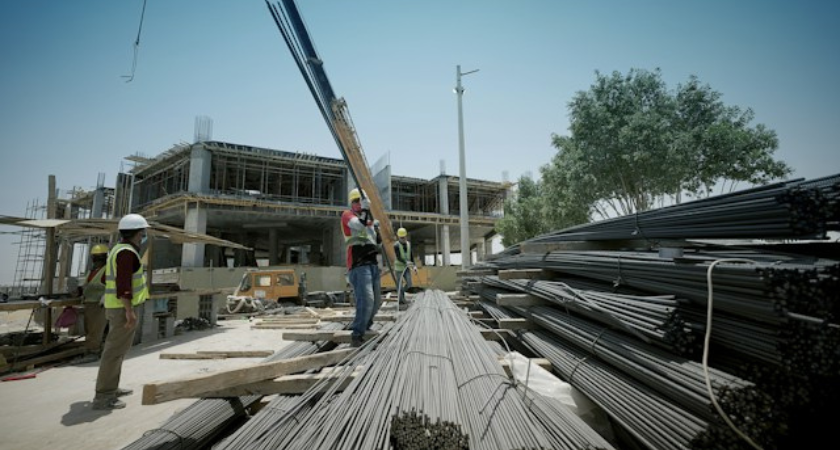
Construction crews rebuilt approximately 2,800 feet of primary runway pavement between Taxiways B3 and L. The work also included shoulder reconstruction, grading activities, drainage improvements, airfield lighting upgrades, signage installation and pavement striping.
Because construction occurred on an active airport campus, the team had to coordinate closely with airport officials to maintain safe operations and preserve access throughout the project.
During construction, crews encountered undocumented fiber-optic and communications lines that remained in service and could not be relocated. Project stakeholders developed revised protection measures and modified construction sequencing to avoid service disruptions and prevent schedule impacts.
Project teams also identified lower-than-anticipated quantities of unsuitable material requiring mitigation. Initial bid documents had estimated roughly 13,000 cubic yards of remediation work, but field investigations determined that only about 1,100 cubic yards required treatment.
The reduced scope generated savings that the Mesa Gateway Airport Authority redirected toward electrical improvements without extending the construction schedule.
The project reached completion in May 2025, finishing more than three weeks ahead of schedule and under budget.
The award underscores the growing use of collaborative delivery methods on transportation infrastructure projects where maintaining operations during construction is a critical requirement. Construction manager at-risk delivery models are increasingly being used on airport projects to identify risks earlier, improve coordination among project participants and provide owners with greater flexibility in managing scope and budget adjustments.
For airport owners and contractors, the Mesa Gateway project demonstrates how early coordination and shared decision-making can help address unforeseen field conditions while preserving schedules and creating opportunities to reinvest project savings into additional infrastructure improvements.
Source: Pulice.