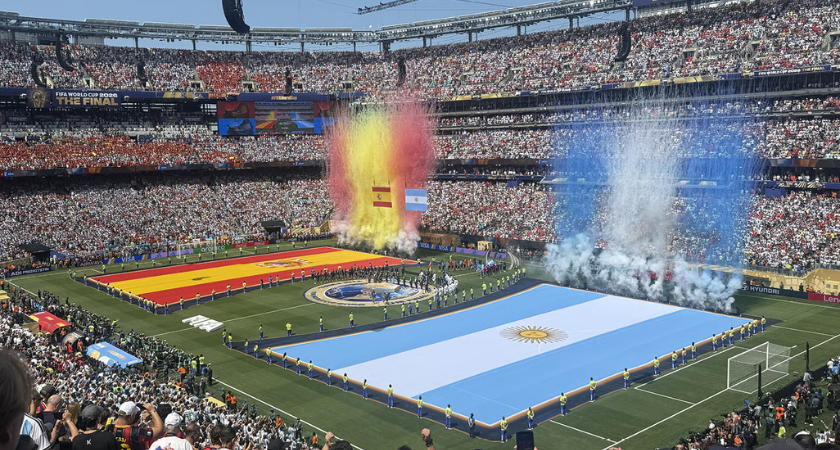
Hosting a global sporting event at an existing professional football venue required a carefully coordinated construction program that balanced international tournament requirements with the stadium's long-term operational needs. Skanska recently outlined the work completed to transform MetLife Stadium into a World Cup-ready venue before returning it to NFL use following the tournament.
The stadium, originally built by Skanska, underwent a series of phased upgrades that enabled it to meet international soccer standards while preserving its ability to host football games, concerts and other large-scale events.
One of the largest elements of the construction program focused on rebuilding sections of the stadium's lower bowl to accommodate the larger playing field required for international soccer competition.
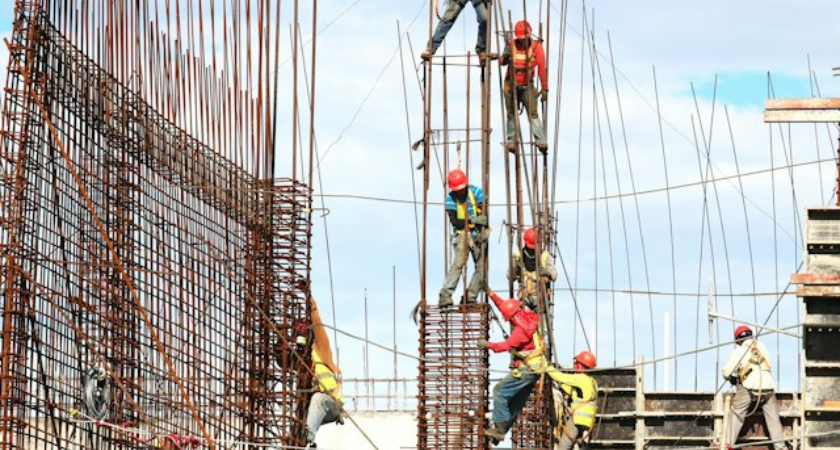
The work included demolition and reconstruction of seating in the four corner sections, installation of a modular steel composite seating system, replacement of approximately 1,740 seats, and upgrades to mechanical, electrical, plumbing and audiovisual systems. Construction activities were scheduled in phases to reduce impacts on ongoing stadium operations and future event programming.
In addition to seating modifications, Skanska completed structural, architectural and building systems improvements to support the specialized natural grass pitch. Infrastructure was installed for irrigation, grow lighting and sub-field vacuum technology designed to maintain playing conditions throughout the tournament.
The project also required temporary alterations throughout the facility to satisfy international event requirements. Existing commercial branding, sponsor signage and wayfinding elements were covered or modified using engineered framing systems and other temporary installations.
Construction teams also developed new pitch-side seating, enhanced hospitality areas and upgraded premium suites to accommodate tournament officials, sponsors and invited guests during the championship event.
Following the conclusion of the World Cup, crews immediately began restoring the stadium's permanent seating configurations, branding and operational systems to prepare the venue for its summer event schedule and the upcoming NFL preseason. The accelerated work required coordination among multiple construction trades and project stakeholders.
Large international sporting events increasingly require existing stadiums to undergo significant temporary construction rather than permanent redevelopment. For construction owners, venue operators and contractors, the MetLife Stadium program demonstrates how phased construction, modular building systems and coordinated restoration planning can help facilities accommodate major global events while minimizing long-term operational disruption.
Source: Skanska.