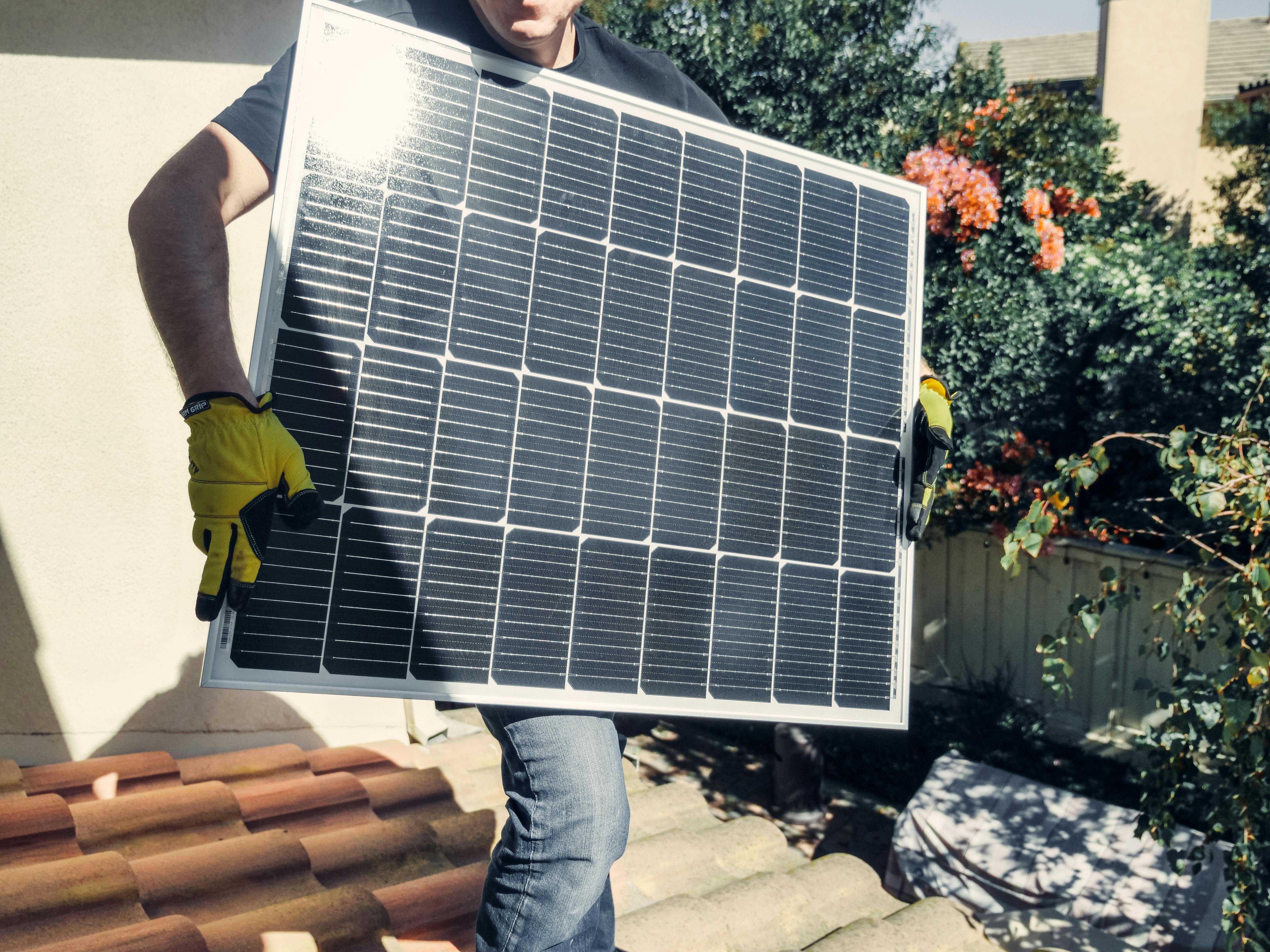
Solar energy production in the U.S. is expected to surge this summer, highlighting the growing role of renewables in meeting rising electricity demand during peak months.
.jpg)
According to the latest Short-Term Energy Outlook from the U.S. Energy Information Administration, solar generation is projected to increase 17% compared to summer 2025 levels. The growth comes as utilities and grid operators rely more heavily on renewable energy to meet higher demand driven by seasonal heat.
Hydropower generation is also expected to rise by about 6%, while wind energy output is forecast to increase 5% over the same period.
The report projects total U.S. electricity sales will grow 1.2% in 2026, reaching approximately 4,108 billion kilowatt-hours, followed by a 3.3% increase in 2027. Summer electricity demand alone is expected to climb 2.3% this year compared to 2025, with a further 3.7% increase anticipated in 2027.
Renewable energy sources are playing a critical role in meeting this growing demand, particularly during summer months when electricity usage peaks due to cooling needs.
The EIA noted that solar generation is increasingly outpacing other renewable sources during peak periods. Last summer marked the first time solar generation exceeded wind output during the season, a trend expected to continue.
“In the summer of 2027, we expect solar generation will grow by 22% to reach 178 BkWh, surpassing wind generation by almost 30%, although we still expect wind will generate more electricity than solar for the whole year,” the agency said.
As renewable generation rises, coal’s role in the energy mix continues to shrink. The EIA forecasts coal-fired generation will decline about 10% in the first half of 2026 compared to the same period in 2025, followed by a 6% decrease in the second half of the year.
Longer-term projections show coal generation falling from 733 billion kilowatt-hours in 2025 to 658 billion kilowatt-hours by 2027.
Meanwhile, natural gas generation is expected to remain relatively stable, increasing modestly from 1,702 billion kilowatt-hours in 2025 to 1,704 billion in 2026 and 1,774 billion in 2027. Nuclear generation is also projected to hold steady at just under 800 billion kilowatt-hours annually.
Wind energy is forecast to grow from 464 billion kilowatt-hours in 2025 to 526 billion by 2027, while solar is expected to see even sharper gains, rising from 293 billion kilowatt-hours to 415 billion over the same period.
The outlook underscores a broader shift in the U.S. energy landscape, with renewable sources — particularly solar — taking on a larger share of electricity generation as demand grows and fossil fuel reliance declines.
Originally reported by Robert Walton, Senior Editor in Utility Dive.