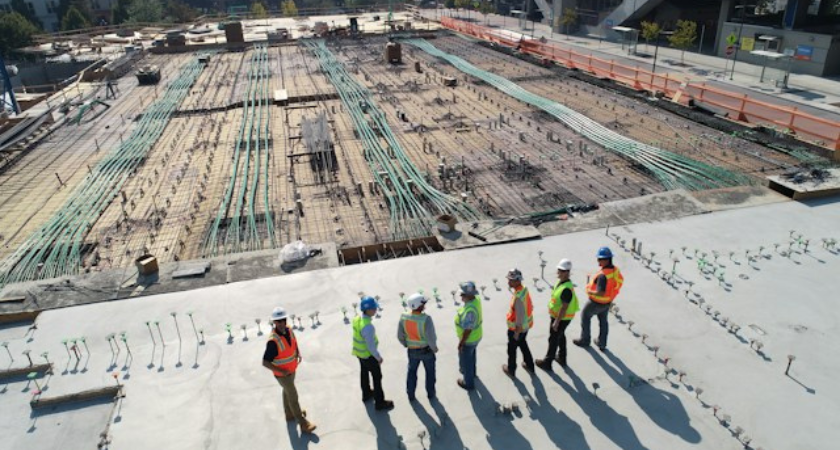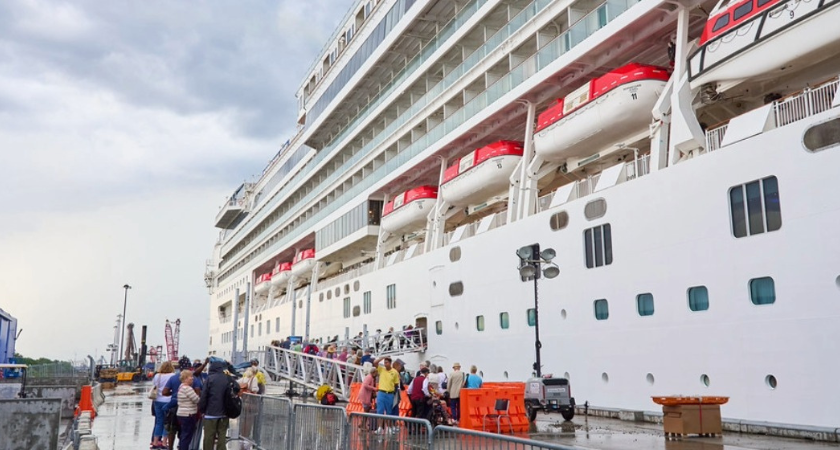
A permanent cruise terminal is now operating at the Port of Philadelphia, establishing new infrastructure for the city’s renewed homeport cruise activity along the Delaware River. STV supported the project through design, engineering, construction monitoring and owner’s representative services.
The terminal is located on a 16-acre site adjacent to Philadelphia International Airport. Its opening provides permanent facilities for passenger processing and cruise operations following Philadelphia’s return to the cruise market in 2026.
STV worked with PhilaPort under an existing architect and engineer task-order relationship. The arrangement allowed the project team to begin design and delivery activities quickly as the port prepared for renewed cruise service.
The project required coordination among public agencies, private stakeholders and regulatory entities while construction progressed at an active port site. The terminal also had to accommodate security requirements, cruise operations and nearby energy infrastructure.
STV remained involved during construction through monitoring services and owner’s representative responsibilities, helping coordinate project delivery among PhilaPort, Norwegian Cruise Line and other project participants.
The new facility is intended to support secure passenger processing and efficient embarkation while allowing for future expansion as cruise activity develops.
PhilaPort began cruise operations with Norwegian Cruise Line in April 2026, marking the return of regular cruise service to Philadelphia after more than 15 years. The port has a seven-year agreement with Norwegian Cruise Line Holdings extending through March 2033.
The terminal is currently used by cruise passengers at 4 Atlantic Avenue, adjacent to Philadelphia International Airport.
The cruise terminal expands PhilaPort’s role beyond cargo operations by adding permanent infrastructure for tourism and passenger transportation.
The project’s anticipated economic impact includes approximately 2,185 direct and indirect jobs and nearly $300 million in annual economic output across Pennsylvania, according to PhilaPort.
For Philadelphia and the surrounding region, the terminal creates infrastructure for continued cruise activity while connecting passenger travel with the city’s broader transportation and tourism network.
Source: STV.