A new approach by the Trump administration to accelerate border wall construction along the Texas-Mexico border is raising concerns among property owners and legal experts, who warn it could expose landowners to significant risks.
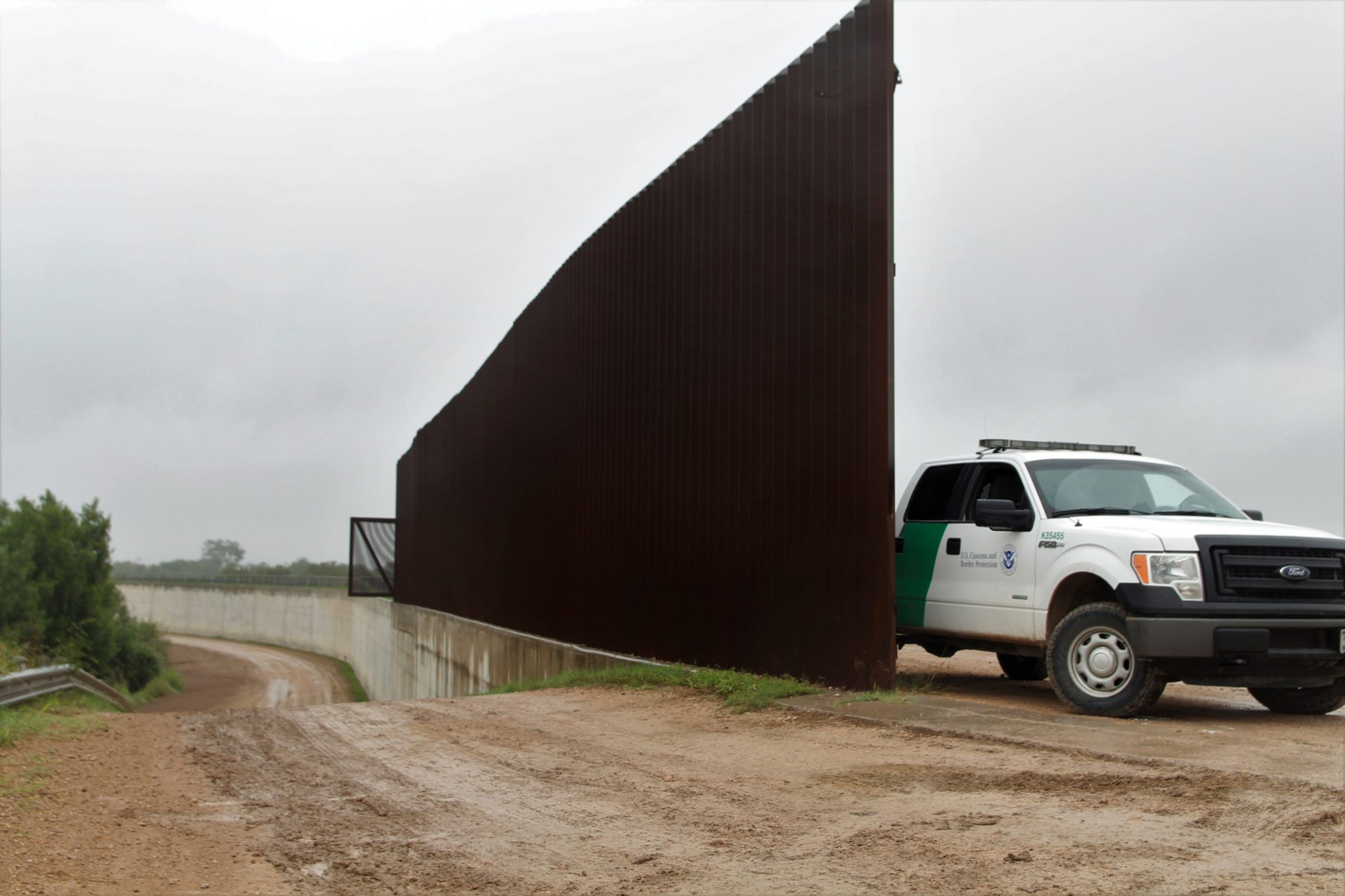
According to a report by the Texas Observer, the federal government is asking landowners along the Rio Grande to sign “right-of-entry” agreements that would allow construction to begin on private property before formal purchase or condemnation proceedings are completed.
The requests, issued by U.S. Customs and Border Protection, include offers of up to $5,000 as a signing bonus. In exchange, property owners would permit government contractors to survey land and begin building border wall infrastructure while negotiations over compensation continue.
Legal experts say the tactic marks a departure from prior practices used under both Democratic and Republican administrations. Traditionally, the government would first request permission to survey land, often offering minimal compensation, before initiating formal eminent domain proceedings if necessary.
“These actually give permission by the landowner to allow for construction operations on the property,” said Carlos E. Flores. “Theoretically if a person were to sign one of these [agreements], the government could come in, do measurements and build the wall.”
Under the new approach, landowners are presented with multiple options: grant immediate access for surveys and construction, negotiate a quick sale or easement, or face potential referral to the U.S. Department of Justice for condemnation proceedings.
Attorneys say the agreements lack some of the protections typically associated with eminent domain cases, including guaranteed court oversight and requirements for timely compensation.
Critics argue the strategy may pressure landowners into signing agreements without fully understanding the implications. Many properties along the Texas border are privately owned, and ownership complexities have historically slowed federal acquisition efforts.
“Landowners are quite scared when they receive these [letters],” said Martin Castro of the Rio Grande International Study Center. He added that the government appears to be moving with urgency that could “threaten landowners into submission.”
Another concern involves compensation. Unlike typical eminent domain agreements, which often include payments closer to the property’s appraised value, the signing bonuses offered in these agreements represent only a small fraction of potential land value.
Roy Brandys said the agreements do not clearly require the government to initiate condemnation proceedings if negotiations stall, leaving landowners in a precarious position.
“[CBP] might be very well intentioned; however, there’s no obligation on the part of the government to ultimately file the eminent domain case,” Brandys said. “You could have the situation whereby the landowner grants the right of entry for construction, they build the wall on the property, but then never get around to filing the condemnation case.”
Without a formal case, landowners may be forced to pursue compensation through the U.S. Court of Federal Claims, a process attorneys say can be complex and burdensome.
.jpg)
The policy comes as the federal government ramps up investment in border infrastructure, with Congress previously allocating tens of billions of dollars for barrier construction projects.
However, the reliance on early-access agreements could create new legal and financial uncertainties for landowners, particularly in South Texas communities where residents may lack resources to challenge federal actions in court.
Yolanda Alvarado, a rancher in Far West Texas, described the process as confusing and rushed.
“It seems like a rush job. And these guys don’t really know what they’re doing,” she said. She added that many landowners feel they have little choice but to cooperate. “It’s basically like: Either work with them, or they’re going to do it anyway.”
As construction efforts accelerate, legal experts say landowners should carefully review any agreements and seek counsel before granting access, given the potential long-term implications.
Originally reported by Jason Buch in Texas Observer.



.png)