The U.S. Nuclear Regulatory Commission has finalized a sweeping overhaul of nuclear reactor licensing, marking the first major update to the framework since 1956 and signaling a potential shift in how nuclear projects move from concept to construction.
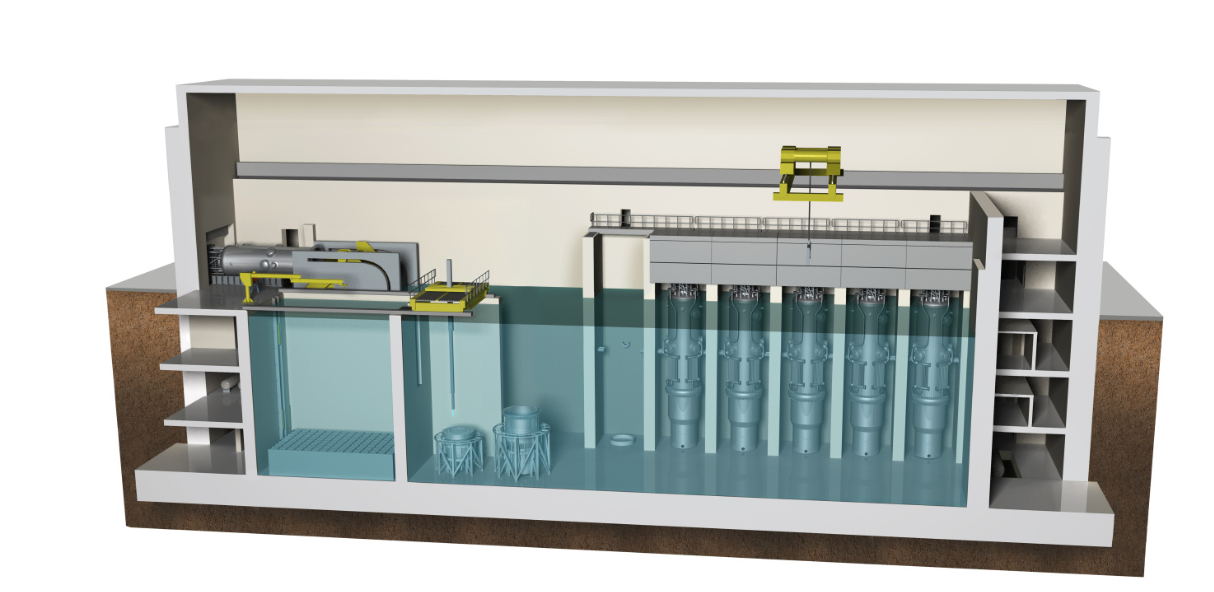
The new rule, known as 10 CFR Part 53, is designed to streamline approvals for advanced nuclear reactors while reducing both timelines and costs for developers. Regulators say the updated framework could cut design review timelines to 18 months or less and reduce application costs by half or more.
“This final rule is a major NRC action that provides a clear risk-informed, technology-inclusive licensing framework to enable new nuclear to safely move faster from concept to construction,” NRC Chairman Ho Nieh said.
The rule replaces a decades-old system built primarily around light-water reactor technology, which has yielded limited new construction in recent decades. By contrast, Part 53 introduces a flexible, technology-neutral approach that can accommodate a wide range of modern reactor designs.
A key feature of the new rule is its adaptability. According to the NRC, the framework “provides a broad and flexible regulatory framework that can be used for any reactor technology, any size reactor, and any commercial end-use.”
This opens the door for emerging reactor types such as molten salt, gas-cooled and small modular reactors to move through the licensing process without requiring case-by-case exemptions that previously added years and significant costs.
The rule also includes provisions that could reshape how and where nuclear plants are built. These include allowing reactors to be located closer to industrial facilities and data centers, enabling factory fuel loading before delivery to project sites, and supporting standardized designs that can be replicated across multiple projects.
The updated framework was completed ahead of schedule under the Nuclear Energy Innovation and Modernization Act of 2019 and will take effect April 29 after publication in the Federal Register.
For contractors and manufacturers, the changes could significantly alter project delivery models. Factory-built reactors, for example, may shift more work to off-site fabrication, reducing on-site construction durations while increasing demand for modular construction expertise.
Alternative siting criteria could also expand project opportunities, allowing nuclear facilities to be co-located with major energy users such as data centers and industrial campuses. This aligns with rising electricity demand driven by digital infrastructure and electrification trends.
Standardized designs, meanwhile, could move the industry away from one-off megaprojects toward repeatable construction programs with more predictable costs and schedules — a shift that could benefit contractors through improved planning and reduced risk.
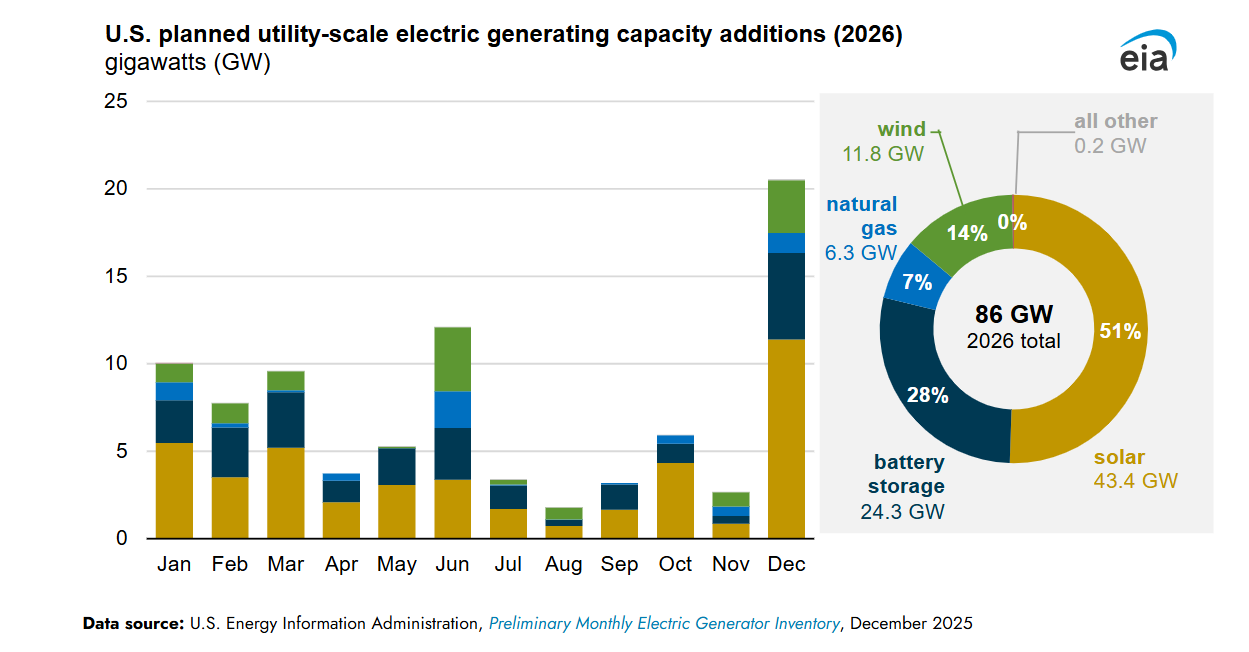
The timing of the rule coincides with a surge in energy infrastructure investment. Data from the U.S. Energy Information Administration indicates developers plan to add a record 86 gigawatts of new generating capacity in 2026, surpassing previous highs.
At the same time, demand from data centers and advanced manufacturing is accelerating power infrastructure construction. Industry analysts note that adequate energy supply will be critical to sustaining growth in these sectors.
Despite the renewed momentum, the U.S. nuclear construction pipeline remains limited. Since the late 20th century, only a handful of new reactors have been completed, including recent additions at Georgia’s Vogtle plant.
With Part 53 now in place, regulators and industry stakeholders see an opportunity to reverse that trend by creating a more efficient, scalable pathway for nuclear development — one that aligns with the growing need for reliable, low-carbon energy.
Originally reported by Marshall Benveniste in Construct Connect News.