Construction of a large-scale ballroom complex on the White House campus is emerging as both a major federal construction undertaking and a politically charged infrastructure debate, with lawmakers, preservation advocates, and taxpayers closely scrutinizing the project’s scope and funding structure.
The development, which replaces the former East Wing site, is expected to include a ballroom capable of accommodating roughly 1,000 guests alongside extensive support infrastructure, security enhancements, underground facilities, and operational space connected to White House functions.
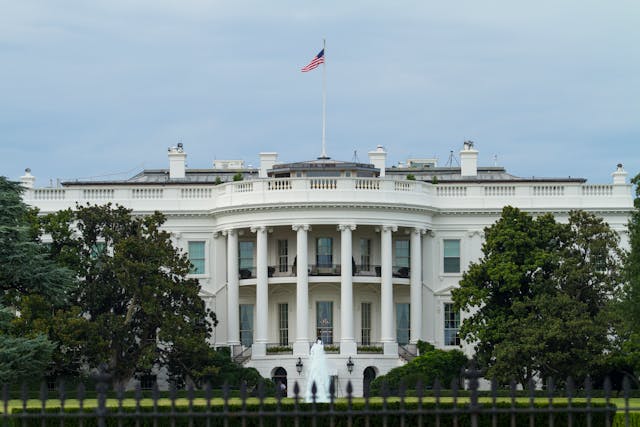
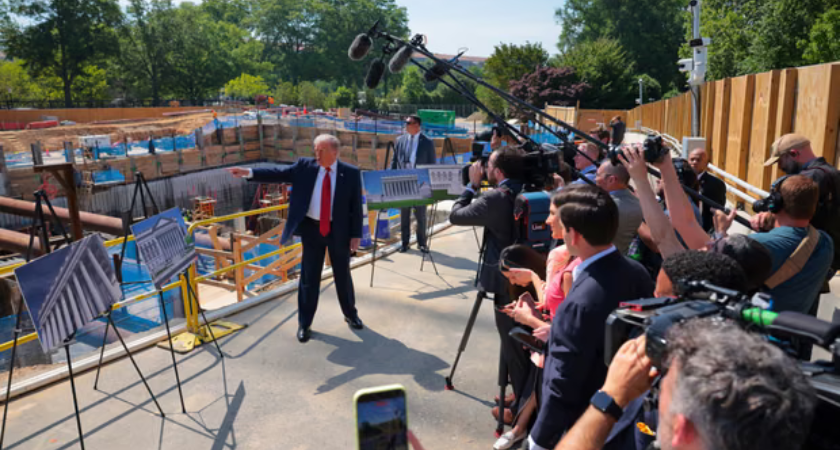
During a recent media tour of the construction area, former President Donald Trump described the project as a technically sophisticated facility designed with hardened structural systems and integrated security measures. The administration has indicated the ballroom construction itself would be financed through private donations, while federal funding would support broader security-related upgrades across the campus.
That distinction has become a central issue in Washington as congressional lawmakers review a proposed request for approximately $1 billion tied to security infrastructure associated with the project. Budget concerns and procedural challenges in the Senate have complicated the funding path, particularly as lawmakers weigh broader fiscal pressures and rising public scrutiny over federal spending priorities.
The project also faces legal opposition from preservation organizations seeking additional congressional review before construction advances further. The dispute underscores the growing tension between modernization efforts at historic government facilities and long-standing preservation requirements tied to federally significant sites.
From a construction standpoint, the project reflects the increasing complexity of high-security government developments. Officials indicated the structure will include multiple subterranean levels, integrated building systems, hardened roofing elements, concealed mechanical infrastructure, and specialized operational coordination with federal security agencies.
Such requirements can significantly elevate project costs, logistical planning demands, and construction sequencing complexity. Projects involving executive facilities and national-security functions typically require extensive coordination among contractors, federal agencies, structural engineers, and security consultants, particularly when construction occurs on an active government campus.
The ballroom development also illustrates how political visibility can affect large construction programs. Public debate surrounding procurement, funding sources, and long-term use of the facility has amplified scrutiny on schedule management, taxpayer exposure, and lifecycle operational costs.
For contractors and developers, the project highlights continued opportunities in specialized federal construction markets that demand expertise in secure facilities, underground infrastructure, and mission-critical systems integration. However, it also demonstrates the reputational and regulatory risks associated with politically sensitive public-sector projects.
The White House ballroom project reflects broader trends shaping public-sector construction nationwide: increasing security requirements, heightened oversight, and growing scrutiny around project funding and public value.
For construction owners, particularly those managing civic, institutional, or government-adjacent facilities, the project demonstrates the importance of balancing modernization goals with stakeholder management, regulatory approvals, and public transparency.
The development also reinforces how complex projects with integrated security systems can drive substantial increases in design coordination, procurement requirements, and long-term operational planning. Owners pursuing high-profile or publicly funded developments may face intensified attention around cost justification, permitting, and project governance throughout the construction lifecycle.
Originally reported by The Guardian.