A large-scale housing and redevelopment program in Queens is transitioning from initial delivery into continued buildout, as New York City advances the Willets Point transformation with new residential openings and additional construction activity.
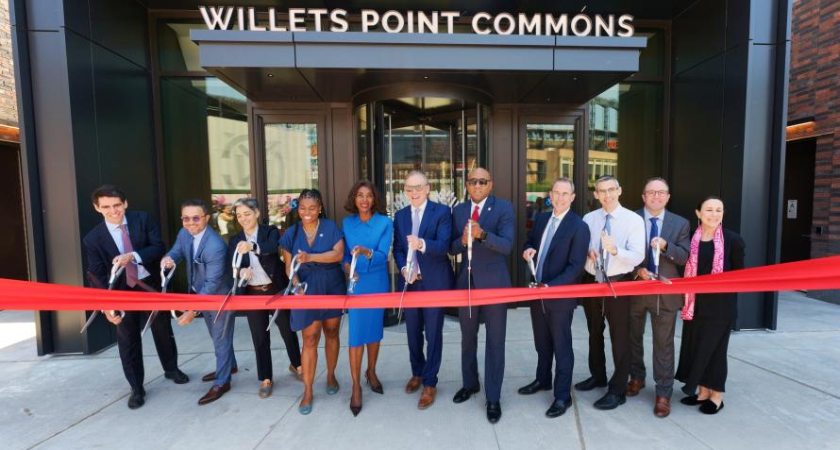
The first residential phase of Willets Point Commons has delivered 880 affordable housing units, marking a significant milestone in one of the city’s largest fully affordable housing developments in recent decades. At the same time, construction has begun on a new senior housing building that will add 220 additional units to the neighborhood.
.jpg)
The project is being delivered through a coordinated effort involving the New York City Housing Development Corporation alongside other city and private development partners.
The Willets Point program is designed as a multi-phase transformation of a long-underutilized industrial area into a mixed-use neighborhood. Early phases include residential buildings, public green space, and community amenities, with future phases planned to introduce additional housing, civic infrastructure, and commercial development.
The development ultimately targets more than 2,500 affordable housing units across multiple phases, along with supporting infrastructure such as a public school, open space networks, and transit-accessible community facilities.
The project also includes long-term plans for additional neighborhood components such as retail, hospitality space, and a professional soccer stadium as part of broader area redevelopment efforts.
The project is financed and delivered through a layered public-private structure involving city agencies, private developers, and institutional investors. This model has enabled large-scale housing delivery while spreading financial risk across multiple partners.
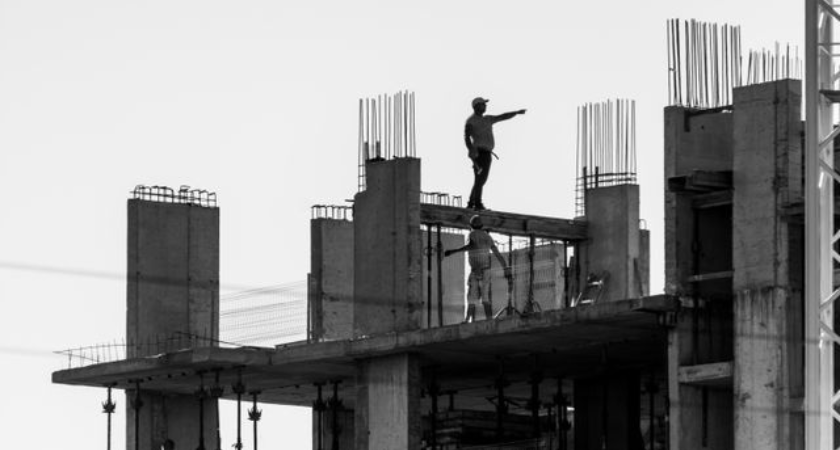
Construction activity across phases has supported substantial workforce engagement, with housing construction paired with infrastructure upgrades and site remediation work typical of former industrial zones.
Major U.S. cities continue to prioritize large-scale affordable housing programs as part of broader efforts to address supply shortages and affordability pressures. Mixed-income and fully affordable developments are increasingly structured around phased construction, public-private financing, and integrated neighborhood planning.
Projects like Willets Point reflect a broader trend toward full neighborhood redevelopment rather than standalone housing construction, combining residential units with transit access, public space, and civic infrastructure.
For owners, developers, and construction stakeholders, the Willets Point expansion highlights several key trends:
As housing demand remains elevated in major metropolitan regions, large-scale redevelopment programs are expected to remain a central driver of construction activity in the multifamily and infrastructure sectors.
Originally reported by NYC HDC.