PORT WASHINGTON, Wis. — A suburban community in Wisconsin has approved what is believed to be the nation’s first referendum targeting data center development, a move that could reshape how large-scale digital infrastructure projects are approved across the country.
.jpg)
Voters in Port Washington passed the measure by a roughly 2-to-1 margin, according to unofficial results. The referendum requires city officials to seek voter approval before granting tax incentives for future data center developments, introducing a new layer of public oversight.
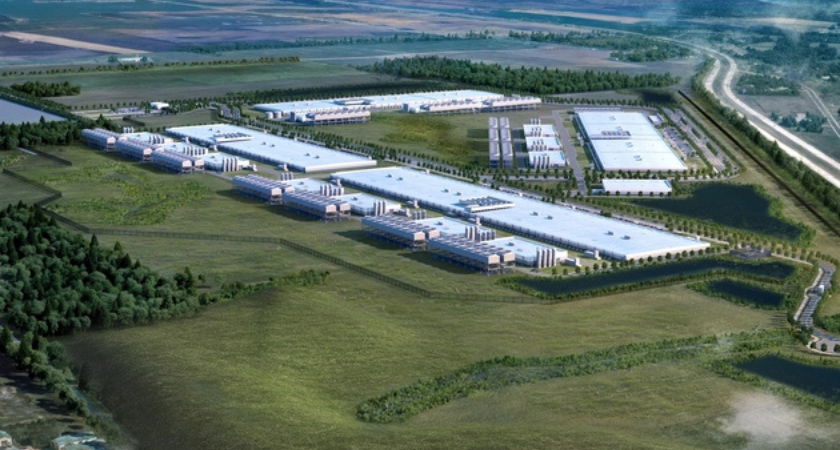
The vote comes as the region grapples with a proposed $15 billion, 1.3-gigawatt data center campus backed by OpenAI and Oracle, part of a broader wave of artificial intelligence infrastructure projects.
Local organizers say the referendum reflects growing concern among residents about the potential impacts of large-scale data centers, including energy demand, water usage and community disruption.
“This is really setting a precedent,” said Christine Le Jeune, founder of Great Lakes Neighbors United. “This is something that other communities can look to.”
Advocates argue the measure represents an evolution in grassroots tactics, shifting from traditional public hearings to direct voter action. Similar ballot initiatives are already being planned or considered in other parts of the country, including California, Michigan and Ohio.
While the Port Washington vote does not halt the current data center project, it could influence how future developments are negotiated. By requiring voter approval for tax incentives, the measure may make it more difficult for developers to secure the financial agreements often critical to large-scale construction projects.
Opponents of the referendum, including local business groups, warned that the policy could have broader economic consequences by discouraging investment beyond the data center sector.
The referendum highlights a growing tension between economic development and community concerns as demand for AI-driven infrastructure accelerates.
Developers have increasingly targeted regions like Wisconsin for data center expansion due to available land and access to energy resources. However, projects of this scale often raise questions about environmental impact, utility costs and long-term community benefits.
In Port Washington, residents cited concerns about transparency, noise, freshwater use and rising electricity rates associated with the proposed facility.
.jpg)
Legal challenges could still affect the measure’s future. The Metropolitan Milwaukee Association of Commerce has filed a lawsuit seeking to block the referendum, arguing it may conflict with state law. A court decision could determine whether the measure takes effect or is overturned.
Regardless of the outcome, industry observers say the vote signals a shift in how communities engage with large infrastructure proposals.
With additional ballot measures scheduled in multiple states later this year, data center developers and contractors may need to navigate a more complex approval landscape that includes direct voter input.
As AI infrastructure continues to expand nationwide, the Port Washington referendum could serve as a model for communities seeking greater control over development — and a potential challenge for builders aiming to deliver the next generation of digital projects.
Originally reported by Tyler Katzenberger in Politico.