Renewable energy developer Zelestra has begun construction on two large solar facilities in Texas, marking the company’s largest solar development effort in the United States to date.
.webp)
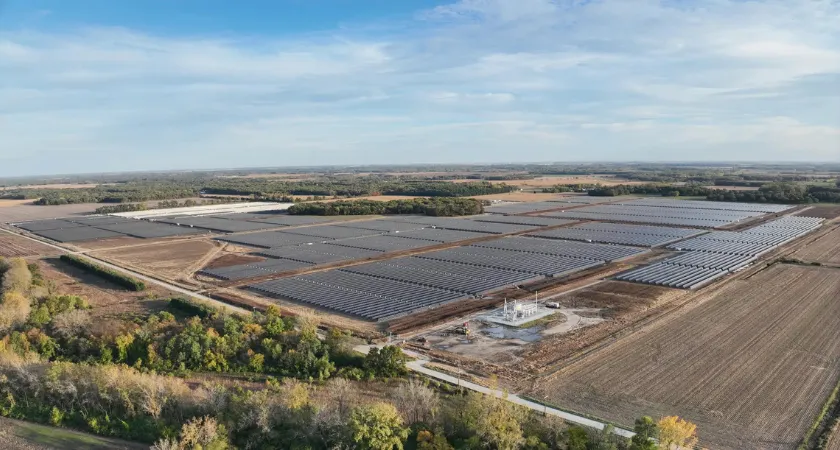
The projects, located in Lamar County and Hopkins County, will deliver a combined 441 MWdc of solar capacity once operational. Construction officially began in January 2026 and commercial operations are expected by the end of 2027.
Engineering, procurement and construction responsibilities for both developments have been awarded to McCarthy Building Companies, which will oversee project delivery and installation of solar infrastructure across the sites.
The first development, the Echols Grove Solar Project, will generate 253 MWdc of capacity and is being built in Lamar County. The second development, the Cedar Range Solar Project, will add another 188 MWdc in Hopkins County.
Together, the projects will deploy approximately 704,000 bifacial solar modules across nearly 2,400 acres of land, making them among the larger utility-scale solar installations currently under development in the region.
Bifacial panels are designed to capture sunlight from both sides of the module, improving overall power generation efficiency and increasing output compared to traditional single-sided solar panels.
Industry analysts note that large-scale installations like these continue to drive growth in the U.S. renewable energy sector as companies seek reliable clean-energy sources to meet rising electricity demand.
Both projects are supported by long-term power purchase agreements with Meta Platforms, forming part of a broader renewable energy partnership between the companies.
The agreement covers seven renewable energy projects totaling 1.2 GWdc, highlighting increasing demand among technology companies for renewable electricity to power large-scale digital infrastructure such as data centers.
Corporate power purchase agreements have become one of the most important financing mechanisms for renewable energy projects in the United States. These contracts allow developers to secure stable revenue streams while helping corporate buyers meet sustainability goals and emissions reduction targets.
According to industry data from BloombergNEF, Zelestra ranked among the top 10 corporate PPA sellers in the United States in February 2026, reflecting the company’s growing presence in the renewable energy market.
The Texas solar projects are expected to generate significant local economic benefits during construction. Developers estimate that the developments will support more than 400 construction jobs and create around $20 million in local economic activity through spending on materials, services and supply chains.
.webp)
Zelestra, headquartered in Arlington, Virginia, is currently developing a renewable energy pipeline totaling approximately 15 gigawatts across global markets, including solar, wind and energy storage projects.
The projects also reflect broader growth across the U.S. solar industry, where large-scale generation investments are increasingly paired with domestic manufacturing expansion.
For example, T1 Energy is developing the G2 Austin solar cell manufacturing facility in Milam County, a plant designed to produce high-efficiency solar cells used in utility-scale photovoltaic systems.
As renewable power generation expands, industry experts say the simultaneous growth of manufacturing capacity, corporate clean-energy procurement and utility-scale development will continue to accelerate the transition toward cleaner energy sources in the United States.
Originally reported by Peter Mwaniki in Construction Review Online.