Nearly 40,000 affordable housing units across California are ready to move forward but remain stalled due to a critical funding gap, raising alarm across the housing and construction sectors.
.webp)
A new analysis from Enterprise Community Partners reveals that 39,880 homes across 461 developments have already cleared key hurdles — including local approvals, community engagement and partial financing — yet cannot begin construction without final public subsidy commitments.
Released in March, the report warns that without immediate state intervention, most of these projects may never break ground.
The findings highlight a stark reality: California’s affordable housing slowdown is not driven by permitting or zoning challenges, but by a lack of funding.
Over the past several years, the state has taken steps to accelerate approvals, including streamlining environmental reviews and expanding transit-oriented housing policies. Despite these efforts, the pipeline has hit a financial wall.
To move the stalled projects forward, the report estimates the need for:
However, Gavin Newsom’s proposed $349 billion 2026 budget includes no new funding for key housing programs such as the Multifamily Housing Program, CalHome and state Low-Income Housing Tax Credits.
Meanwhile, earlier funding sources have been exhausted. The 2018 Veterans and Affordable Housing Bond Act, which provided $4 billion, has been fully spent, leaving programs heavily oversubscribed — in some cases by as much as tenfold.
"Without General Fund investment, most affordable housing developments in the pipeline will not be able to move forward and begin construction," the report states.
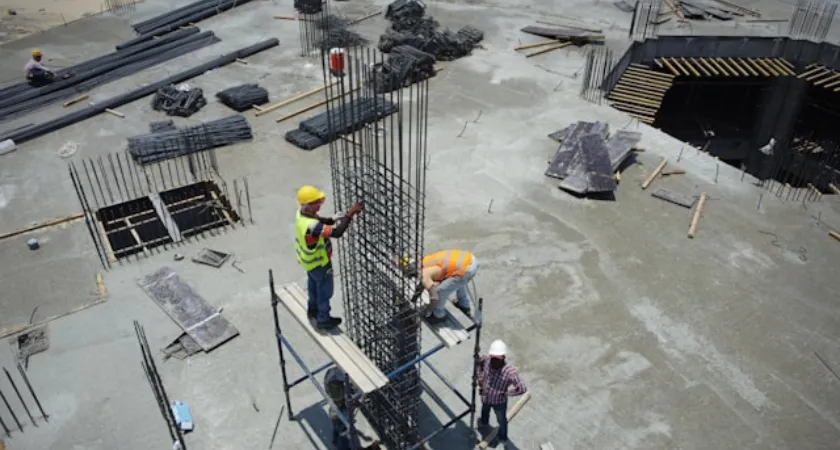
For contractors and developers, the stalled projects represent more than delayed housing — they signal a significant disruption to a major construction pipeline.
If activated, these 461 developments would generate billions of dollars in construction activity and support thousands of jobs across both Northern and Southern California. The delay also impacts regions still recovering from recent disasters.
Notably, 9,533 of the stalled units are located in Los Angeles County and Ventura County — areas rebuilding after the devastating 2025 wildfires.
The report underscores the broader economic ripple effect: every $1 of state funding typically unlocks approximately $3.60 in additional local, federal and private investment. Without action, California risks losing an estimated $7.7 billion in external capital tied to these developments.
Housing advocates and researchers outline several immediate steps to address the crisis:
The proposed bond measure alone could finance 40,000 new affordable units, preserve 5,500 existing homes and support 13,000 homeownership opportunities.
In addition, the report points to inefficiencies within the financing system, estimating that fragmentation adds up to $47,000 per unit in avoidable costs — further complicating project feasibility.
California has set an ambitious target of building 1 million affordable homes by 2030. However, without significant funding intervention, that goal is increasingly out of reach.
The stalled pipeline represents one of the clearest indicators that while policy reforms have improved approvals, the state’s housing strategy remains heavily dependent on sustained financial support.
.webp)
The current funding freeze highlights a broader national issue: even as cities and states streamline approvals to accelerate housing production, financing remains the single largest barrier to delivery.
For the construction industry, this creates a paradox — a robust pipeline of ready-to-build projects exists, yet work cannot begin. Contractors may face gaps in project flow, workforce instability and increased competition for a shrinking pool of active jobs.
At the same time, rising construction costs, higher interest rates and insurance challenges are compounding the issue, making public subsidy even more critical to project viability.
If California moves quickly to restore funding, the state could rapidly unlock tens of thousands of units and inject billions into the construction economy. If not, the delay risks long-term consequences not only for housing affordability but also for the stability of the construction sector itself.
Originally reported by Enterprise Community.