A major update to national affordable housing standards is placing climate resilience at the forefront of design and construction, signaling a shift in how developers and municipalities approach sustainability.

Enterprise Community Partners has released a revised version of its Enterprise Green Communities Criteria, expanding its focus beyond sustainability to include disaster preparedness, climate risk mitigation and energy resilience.
Originally launched in 2005, the criteria were designed to demonstrate that housing could be both environmentally responsible and affordable. The latest update reflects growing concerns about extreme weather events and infrastructure vulnerabilities, particularly in underserved communities.
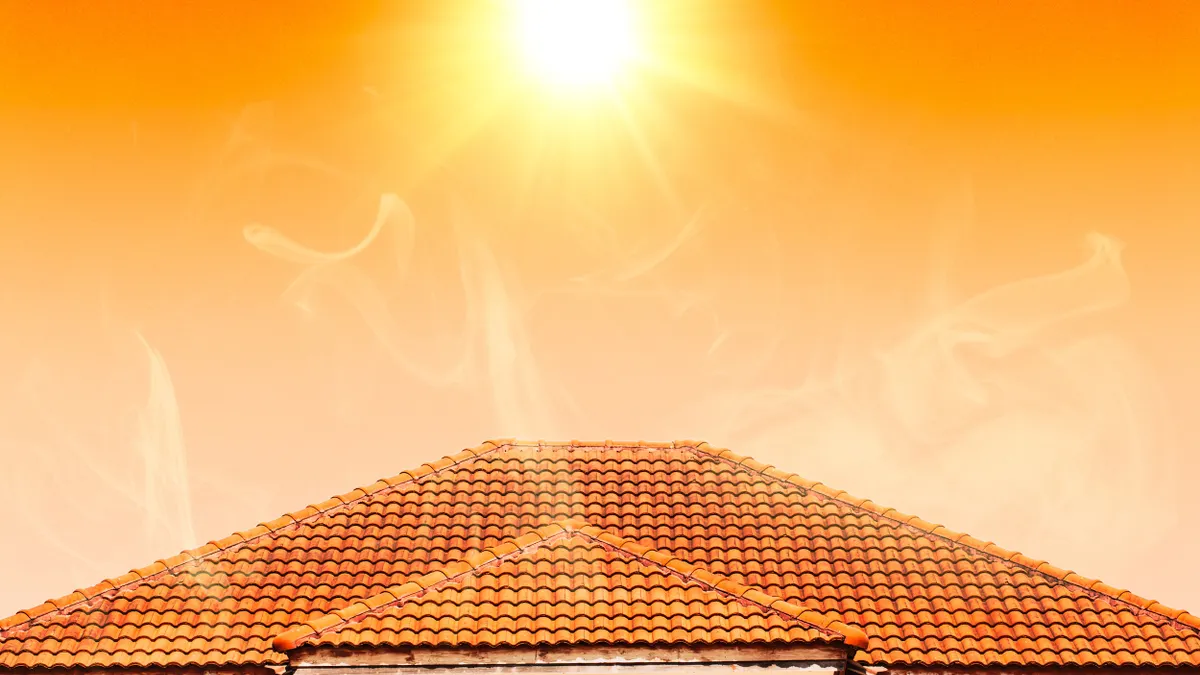
The updated criteria introduce mandatory resilience assessments for affordable housing properties, requiring developers to evaluate risks related to extreme heat, flooding, wildfires, high winds and power outages. In addition, every property must now include an emergency manual for residents to use during disasters.
“Cities can use the criteria ‘to ensure that they’re serving their affordable housing community well in meeting their housing and their climate goals at the same time,’” said Krista Egger, vice president of national initiatives at Enterprise Community Partners.
The revisions also incorporate strategies to help communities respond to heat waves, hurricanes and other natural disasters, while advancing electrification and renewable energy adoption. Updates to building standards address noise, traffic and safety concerns, alongside new approaches to selecting green building materials through early screening and holistic evaluation.
“We’re really leaning into the themes of energy, health and resilience because we’re feeling like those are the three areas in terms of impacts to families and individuals that are most important for us to cover,” Egger said.
The Enterprise Green Communities Criteria are already widely used across the United States, with 29 states and several major cities either requiring or incentivizing compliance for publicly funded affordable housing developments.
Cities such as Chicago, Cleveland and Portland incorporate the standards into their housing programs, often as part of certification pathways or requirements tied to tax abatements. Other major cities, including Boston, Denver and Philadelphia, also use the criteria in varying capacities.
In New York City, the Department of Housing Preservation and Development requires either Enterprise Green Communities certification or LEED Gold standards for all new construction and major rehabilitation projects it finances.
“Essentially, that’s because their climate goals are some of the most aggressive in the country, and they really rely on the certification … as the foundation for every property that they’re investing in,” Egger said.
The updated framework also reflects feedback from residents and stakeholders. Concerns about rising energy costs and traffic safety prompted the inclusion of strategies aimed at reducing utility expenses and improving neighborhood safety conditions.
Additional measures focus on improving indoor air quality through enhanced ventilation, mitigating noise pollution and supporting the integration of electric vehicle charging infrastructure in residential developments.
Enterprise officials say the changes reflect a broader industry shift toward integrating climate adaptation into housing policy and design.
“[There] was lots of desire to build green, healthy, efficient homes, but there weren’t any tools for the residential market about how you actually do this and … know at the end that you’ve succeeded,” Egger said.
With climate risks intensifying nationwide, the updated criteria position resilience not as an optional feature, but as a fundamental requirement for the future of affordable housing.
Originally reported by Robyn Griggs Lawrence, Editor in Smart Cities Dive.