The recognition of the CHRISTUS St. Vincent Regional Cancer Center as the top project in New Mexico's annual construction awards highlights a growing trend in healthcare development: delivering highly specialized facilities that balance patient experience, operational efficiency, and long-term value for owners.
Located on the campus of CHRISTUS St. Vincent Regional Medical Center in Santa Fe, the cancer center was constructed by Jaynes Corporation and serves as a centralized destination for oncology services, bringing multiple treatment and diagnostic functions under one roof. The facility was designed to improve access to care across Northern New Mexico while reducing the need for patients to travel between multiple locations for treatment.
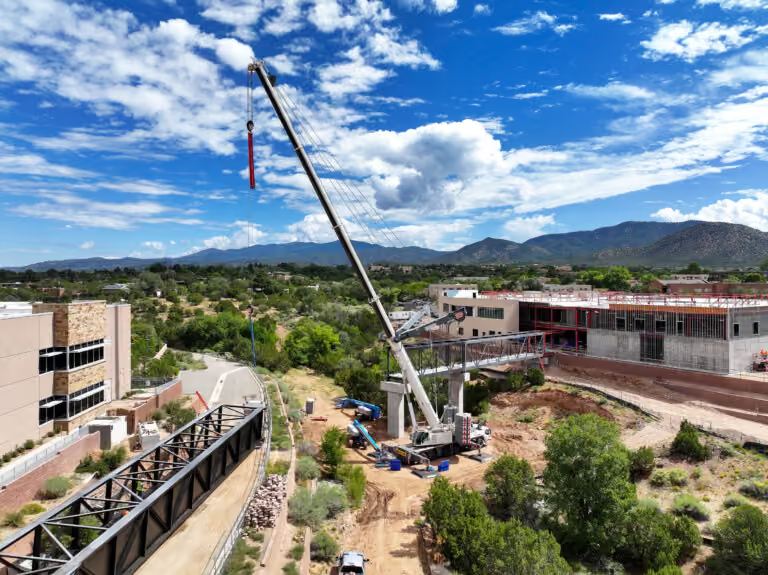
The project stands out not only for its healthcare mission but also for the construction strategies employed during development. Built on an active hospital campus, the facility required extensive coordination to maintain uninterrupted medical operations while managing safety, logistics, infection control measures, and emergency access requirements throughout construction.
One of the most significant project decisions involved connecting the new facility directly to existing hospital infrastructure through an elevated bridge system. The connector serves both as a pedestrian pathway and a utility corridor carrying critical building systems, including electrical, HVAC, information technology, water, and medical services. By leveraging existing campus infrastructure, the owner avoided constructing duplicate utility facilities, helping reduce future maintenance and operational costs.
The project also required the construction of highly specialized radiation treatment spaces. Linear accelerator vaults, which require substantial radiation shielding and strict regulatory compliance, demanded extensive engineering coordination and precision concrete work. These technical environments were integrated into a facility designed to create a more welcoming atmosphere for patients through natural light, carefully planned circulation, and hospitality-inspired interior design elements.
From a construction management perspective, the project demonstrates the value of early collaboration between owners, designers, engineers, and contractors. The Construction Manager at Risk delivery method enabled ongoing cost management, constructability reviews, and value engineering throughout the development process. This collaborative approach helped align project objectives while maintaining transparency on budget and schedule performance.
Digital construction technologies also played a significant role. Building information modeling, clash detection, laser-guided layout systems, drone documentation, and cloud-based project management platforms were utilized to improve coordination and reduce the likelihood of costly field conflicts. These tools allowed project teams to address issues virtually before construction activities occurred on site.
The award reflects broader trends in healthcare construction, where owners increasingly seek facilities that support both clinical outcomes and operational efficiency. Healthcare providers continue to invest in specialized treatment centers that improve patient access while creating adaptable infrastructure capable of supporting future growth and technological advancements.
For construction owners, the project offers several lessons. Early contractor involvement, integrated delivery methods, and investment in digital coordination tools can help mitigate risk on technically demanding projects. Additionally, thoughtful infrastructure planning can generate long-term operational savings that extend well beyond the construction phase.
As healthcare systems across the country evaluate expansion opportunities, projects such as the CHRISTUS St. Vincent Regional Cancer Center illustrate how construction innovation, strategic planning, and stakeholder collaboration can create facilities that deliver both community benefits and long-term value for owners.
Source: Jaynes Corporation.