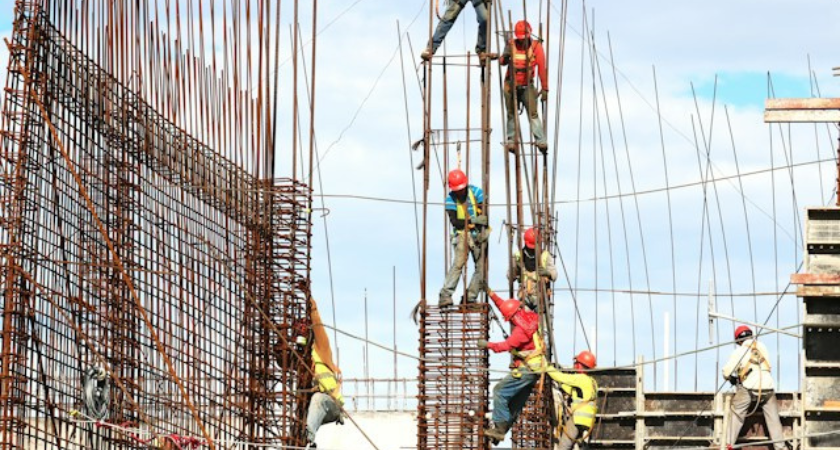
A construction worker was injured during highway operations along U.S. Highway 101 near Weott, California, prompting a large emergency response and renewed attention on safety risks in active transportation work zones.
Emergency crews responded Wednesday morning to reports of a worker injury inside a northbound construction zone north of Weott in Humboldt County. Initial dispatch communications indicated the worker may have suffered crush-related injuries involving a k-rail barrier commonly used in highway construction and traffic-control operations.
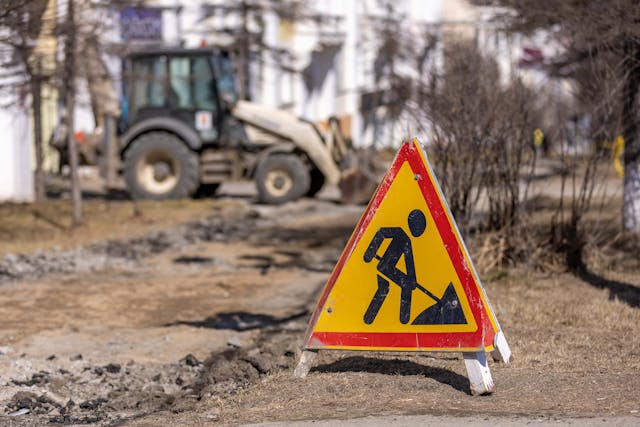
Local emergency personnel, including ambulance crews, fire responders and law enforcement agencies, were dispatched to the scene shortly after the incident was reported.
An air ambulance was initially requested due to the reported severity of the injuries, with responders preparing a nearby landing zone for medical evacuation. However, the helicopter transport was later canceled, and the injured worker was transported by ground ambulance to receive medical care.
Transportation officials confirmed that construction activities in the area were being performed by a third-party contractor, although additional details regarding the cause of the incident or the worker’s condition had not been released.
The injury occurred amid ongoing construction and emergency repair operations along the Highway 101 corridor and nearby Avenue of the Giants, where multiple transportation infrastructure projects are currently underway.
The incident underscores the persistent hazards associated with roadway construction, particularly in confined traffic-control environments where crews operate near heavy equipment, barriers and live traffic conditions.
Highway projects frequently expose workers to elevated risks tied to equipment movement, shifting site conditions, limited escape paths and compressed workspaces. K-rail systems, while critical for traffic separation and worker protection, can also create significant crush hazards during installation, repositioning or equipment interaction.
For contractors and public infrastructure owners, work zone incidents continue to drive increased focus on safety planning, emergency response coordination and equipment-control procedures.
The response also highlights logistical challenges tied to construction activity in rural or remote transportation corridors.
Infrastructure projects located in mountainous or low-access regions often require detailed emergency response planning, including coordination with air medical services, traffic management agencies and local responders. Delays in medical access or transport decisions can significantly affect incident response strategies on linear infrastructure projects.
As highway rehabilitation and climate-resilience work accelerates across California, transportation contractors may face increasing pressure to strengthen jobsite hazard controls and worker protection protocols.
For infrastructure owners and transportation contractors, the incident reinforces the importance of rigorous work zone safety management, especially on active highway projects involving barriers, heavy equipment and constrained operating areas.
Owners may increasingly evaluate contractors based on safety performance, incident-prevention programs and emergency preparedness capabilities as regulatory scrutiny around roadway construction safety continues to grow.
The event also highlights the need for strong coordination between contractors, transportation agencies and emergency responders on projects located in remote or high-risk operating environments.
Originally reported by Redheaded Blackbelt in Kymkemp.