Electrical contractors are continuing to evolve beyond traditional installation work as facility owners seek integrated monitoring, analytics and operational intelligence platforms capable of improving building performance and reducing long-term operating risks.
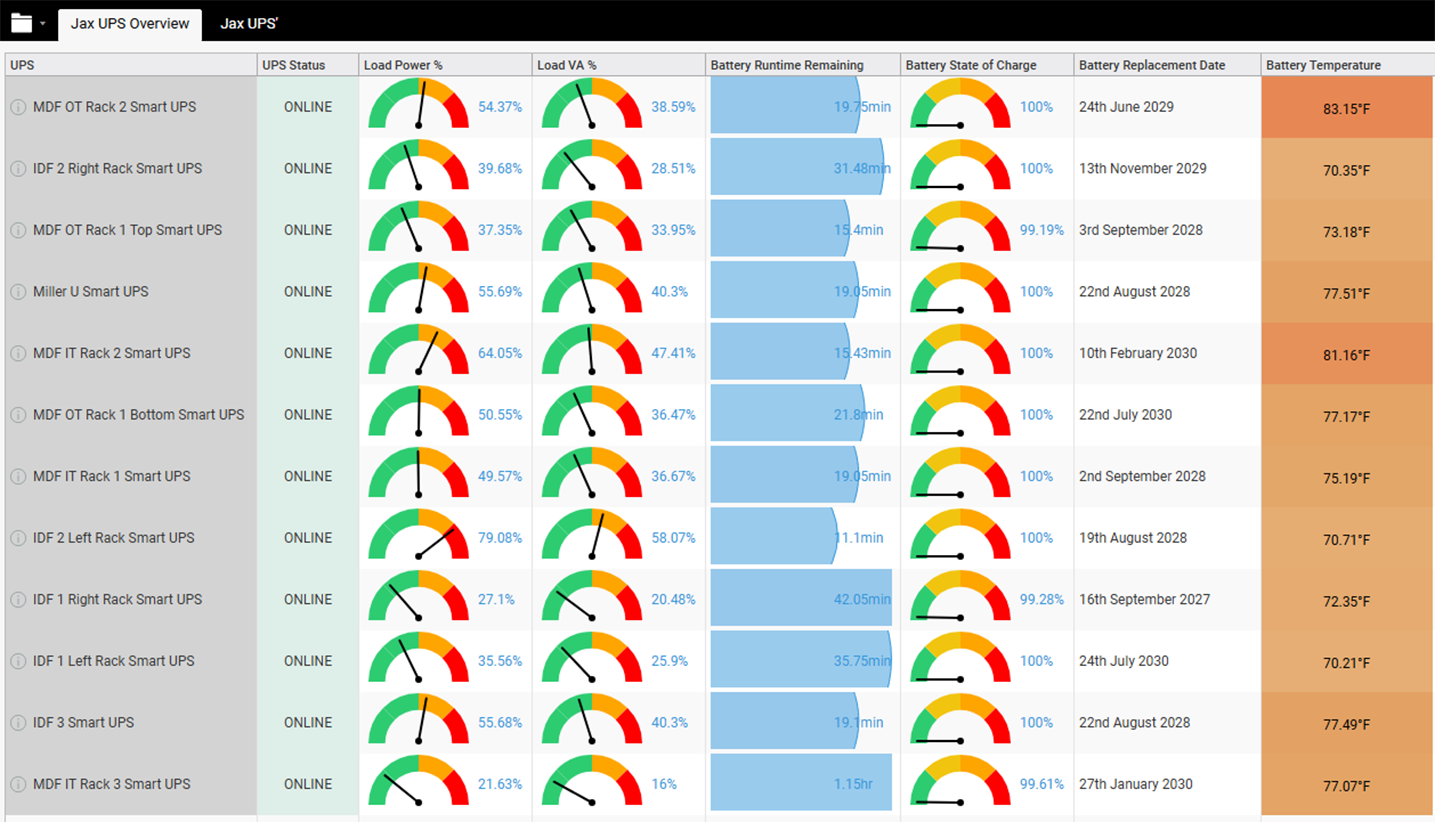
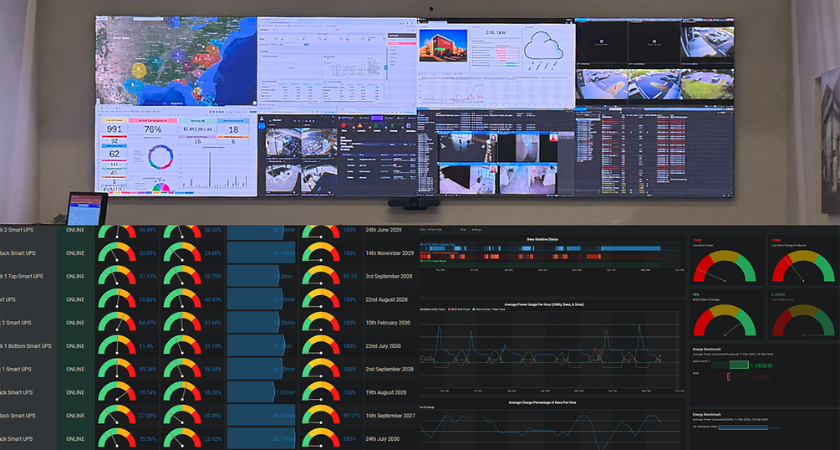
Jacksonville-based Miller Electric Company recently highlighted an expanded suite of monitoring and controls services designed to support real-time facility oversight, predictive maintenance and energy management across commercial and industrial environments.
The company’s approach combines connected monitoring platforms with a 24/7 Client Services Center and Network Operations Center model intended to provide continuous oversight, alert management and remote response coordination.
The move reflects a broader industry trend in which electrical contractors are positioning themselves as long-term infrastructure partners rather than solely construction-phase service providers. As buildings become increasingly digitized, owners are looking for integrated systems capable of aggregating operational data from electrical infrastructure, HVAC systems, building automation platforms, fire protection systems and utility networks into centralized dashboards.
According to the company, the monitoring systems are designed to integrate with a wide range of protocols and connected equipment, allowing operators to monitor building performance across both on-site and cloud-based environments.
The strategy aligns with rising owner interest in operational resilience, particularly in sectors where downtime can create significant financial or operational consequences. Data centers, healthcare campuses, industrial facilities and mission-critical commercial assets are increasingly investing in continuous commissioning, remote diagnostics and automated fault detection capabilities to improve uptime and reduce maintenance costs.
The company also emphasized energy optimization and load-management capabilities, including analytics designed to identify inefficient equipment operation, support utility demand management and improve reporting tied to energy consumption and greenhouse gas tracking.
For contractors, these services represent a growing source of recurring revenue tied to post-construction operations and maintenance support. As owners adopt electrification initiatives, EV charging systems and smart-building technologies, demand is increasing for firms capable of integrating operational technology with traditional electrical infrastructure.
The expansion of EV charging management services also reflects broader infrastructure shifts occurring across commercial properties and fleet facilities. Monitoring platforms are increasingly being used to manage charging demand, reduce utility peak-load exposure and coordinate energy usage across multiple building systems.
In industrial and manufacturing environments, advanced monitoring tools are also being used to aggregate operational data from programmable logic controllers, supervisory control systems and Industrial Internet of Things sensors to improve production efficiency and enterprise-wide facility visibility.
Cybersecurity and scalability remain major considerations as connected-building ecosystems expand. Contractors and facility operators are placing greater emphasis on secure user management, cloud connectivity and enterprise-wide monitoring architectures capable of supporting multi-site portfolios.
The growing convergence of electrical contracting, operational analytics and smart-building management is reshaping owner expectations for facility infrastructure. Owners increasingly want systems that deliver long-term operational visibility, predictive maintenance insights and energy optimization alongside traditional construction services.
For contractors, the shift presents opportunities to expand into recurring-service models tied to monitoring, controls integration and operational support. Firms with expertise in connected infrastructure, automation systems and energy analytics may be better positioned as demand grows for intelligent, resilient and data-driven facilities across commercial and industrial markets.
Originally reported by Miller Electric Company.