As contractors across the country compete for skilled workers, internship programs are playing a growing role in workforce development strategies. Construction firms are investing in hands-on learning opportunities to attract students, introduce them to industry careers, and build future talent pipelines.
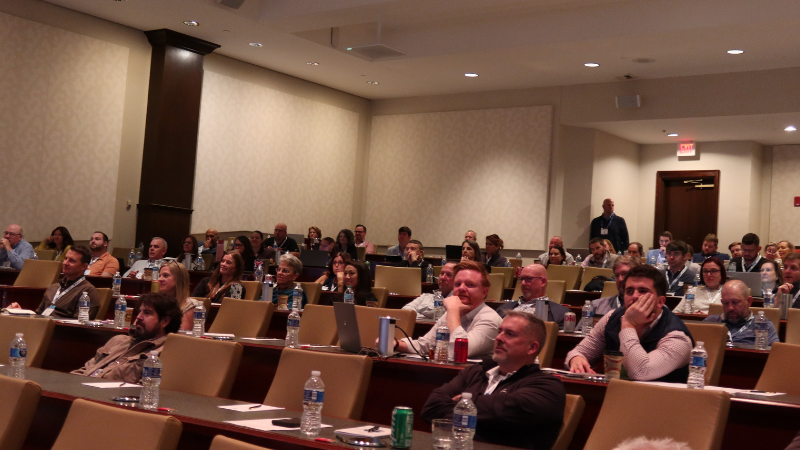
Ames Construction recently welcomed its Summer 2026 intern class, with participants reporting to offices throughout the United States. In North Carolina, interns kicked off the season with a team-building event designed to encourage relationship-building between interns and experienced mentors.

The activity brought together students and company personnel in an informal setting before interns begin supporting active construction operations and business functions throughout the summer. Such initiatives are increasingly viewed as an important component of internship programs, helping participants build professional networks and gain exposure to company culture.
For contractors, structured internship experiences offer an opportunity to evaluate potential future employees while providing students with practical industry experience. Many firms use internships as a recruitment pathway for entry-level engineering, project management, field operations, and estimating positions after graduation.
The construction sector continues to face workforce challenges driven by retirements, growing infrastructure demand, and increased competition for technical talent. As a result, companies are expanding campus outreach, internship opportunities, and mentorship programs to attract the next generation of construction professionals.
Industry leaders have increasingly emphasized that workforce development efforts must begin before graduation, allowing students to gain exposure to project environments, safety practices, and collaborative problem-solving. Internship programs also help employers introduce future workers to evolving technologies and project delivery methods used throughout the construction sector.
A stronger workforce pipeline can help contractors address long-term labor availability concerns and maintain project delivery capacity. Owners may benefit from these talent development efforts through improved staffing stability, stronger succession planning, and a broader pool of future construction professionals entering the industry.
Source: Ames Construction.