HARRISBURG, Pa. — The rapid expansion of data center construction across the United States is reshaping relationships between organized labor and major technology companies, creating new alliances that are driving workforce growth while intensifying policy debates.
.jpg)
As demand for artificial intelligence infrastructure accelerates, building trades unions are increasingly collaborating with tech giants to deliver large-scale data center projects. The trend is fueling job creation, expanding apprenticeship programs and positioning unions as key players in the nation’s digital infrastructure buildout.
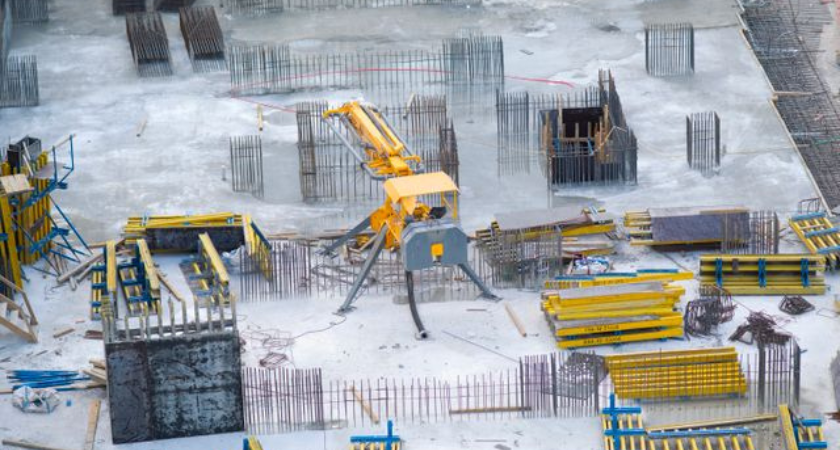
Union leaders say the surge in data center construction has created unprecedented demand for skilled labor, with projects requiring massive workforces to meet tight timelines.
“When people say, you know, ‘data centers are the root of all evil,’ we’re just saying, ‘look, they do create a hell of a lot of construction jobs, which we live and work in your communities,’” said Rob Bair, president of the Pennsylvania Building and Construction Trades Council.
Data center projects are consuming a growing share of construction labor across multiple regions. In some markets, union officials report that data centers account for as much as 40% to 50% of total work hours for their members.
The surge is prompting unions to rapidly expand training programs and recruit new apprentices to keep pace with demand. Industry groups report record membership levels and significant increases in class sizes at training facilities nationwide.
Leaders with North America’s Building Trades Unions say the growth mirrors the post-World War II construction boom, driven by a combination of data center development, energy infrastructure projects and federal incentives supporting advanced manufacturing and clean energy.
At the same time, the energy-intensive nature of data centers is driving additional construction activity, including power plants, transmission systems and related infrastructure. This has created what union officials describe as a “one-two punch” of opportunity for trades involved in both building and maintaining energy systems.
Tech companies are also investing heavily in workforce development, partnering with unions to train workers for specialized roles. Some firms have committed millions of dollars to apprenticeship and training initiatives aimed at expanding the skilled labor pipeline.
“Across the country, highly skilled union construction workers are laying the foundation for the AI economy,” said Sam Altman, co-founder and CEO of OpenAI.
Despite the economic benefits, the rapid expansion of data centers has sparked opposition in some communities, where residents raise concerns about energy consumption, water usage, rising utility costs and quality-of-life impacts.
Unions have increasingly stepped into these debates, advocating for projects and countering criticism that developers and tech companies often avoid addressing directly.
Rather than opposing development outright, union leaders argue that communities should negotiate for benefits such as infrastructure improvements or financial contributions.
“If you don’t ask, you’re never gonna get,” Bair said.
The growing alignment between unions and tech companies has also complicated political dynamics. In some cases, unions have sided with pro-development policies, putting pressure on lawmakers who face competing demands from environmental groups and local residents.
Pennsylvania Gov. Josh Shapiro highlighted the collaborative approach when announcing major data center investments in the state.
“This is really unique, what we’re building here in this commonwealth. People coming together with common purpose to get stuff done,” Shapiro said.
.jpg)
However, some policymakers argue that union-backed initiatives may weaken efforts to regulate the industry. Pennsylvania state Sen. Katie Muth said gaining support for stricter oversight has been challenging amid competing legislative priorities.
Meanwhile, union leaders maintain that data center construction will continue regardless of labor’s stance.
“If we chose as a union to have a moratorium on building the data centers because we didn’t believe it was right for America, the data centers would still be getting built,” said Mark McManus, president of the United Association of Union Plumbers and Pipefitters.
As demand for digital infrastructure continues to rise, data centers are expected to remain a dominant force in construction, shaping workforce trends, political debates and the future of U.S. infrastructure development.
Originally reported by Associated Press in Spotlight.