Kentucky is using advanced artificial intelligence and digital twin technology to modernize bridge inspections, dramatically reducing costs and project timelines for repairing more than 1,000 aging and flood-damaged bridges.
.webp)
The technology was implemented by engineering firm Qk4 following severe flooding in 2022 that left many bridges across the state structurally compromised.
Traditionally, assessing and repairing the bridges would have taken about 10 years and cost roughly $7 million, but the new approach has significantly improved efficiency.
Instead of relying on manual surveys, engineers used drones and laser scanners to create highly detailed digital twins—virtual 3D models that replicate the physical structure of each bridge.
Using artificial intelligence, every collected data point is categorized through intelligent coding, allowing the system to instantly identify structural elements such as beams, columns, and other components.
This approach allows engineers to evaluate structural conditions far more quickly than traditional methods.
Bridge surveys that previously took three months can now be completed in as little as three days, reducing inspection time by about 90%.
The increased efficiency also led to substantial cost savings. The overall project cost dropped from an estimated $7 million to about $3.5 million, cutting expenses nearly in half.
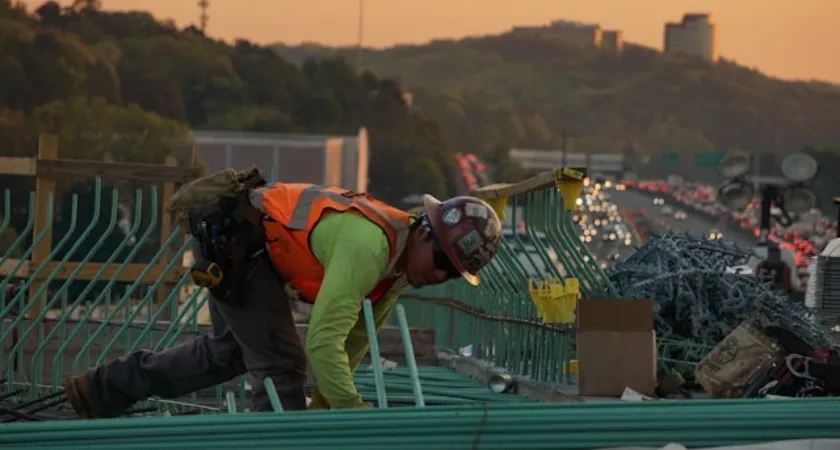
Beyond financial benefits, the digital models allow engineers to detect structural problems remotely and plan repairs without sending workers into hazardous environments such as busy roadways.
.avif)
The success of the “Bridging Kentucky” initiative has drawn attention from other states looking for more efficient infrastructure management strategies.
By combining drones, artificial intelligence, and digital modeling, the program demonstrates how digital technology can accelerate infrastructure repairs while improving safety and reducing costs.
Officials say the initiative highlights a broader shift in the construction industry toward data-driven infrastructure management, where digital tools play a central role in maintaining and modernizing critical public assets.
Originally reported by Construction Focus in Construction Property.