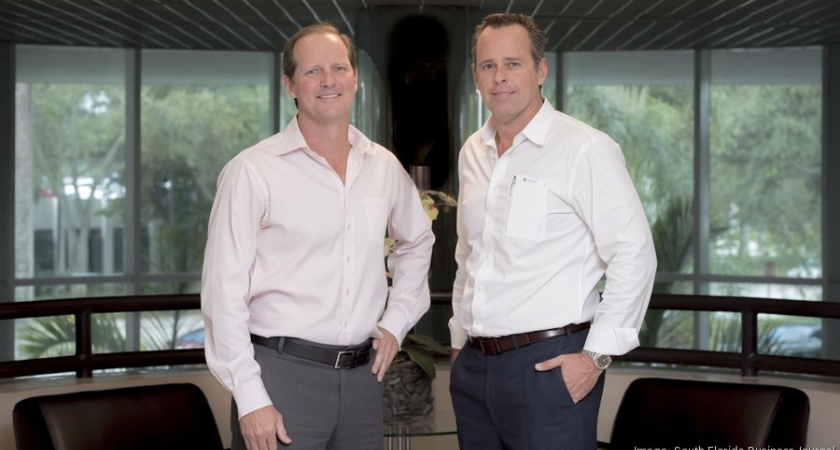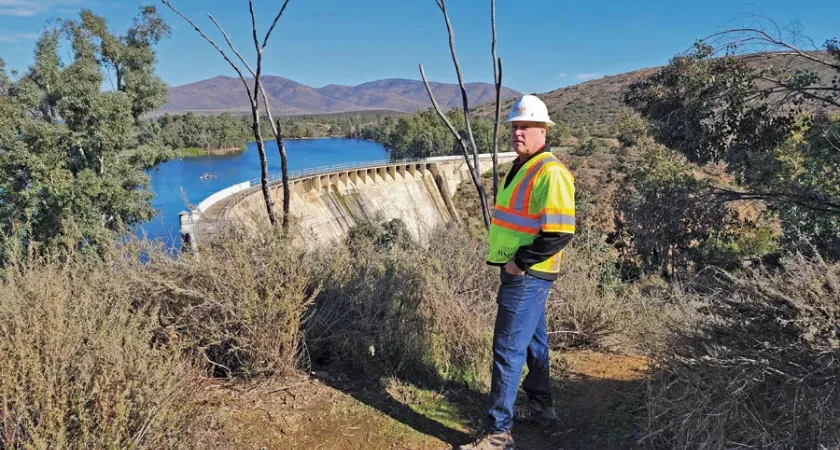
John Helminski, a longtime leader in Southern California’s water and energy infrastructure sector, has been named a Southern California Legacy Award winner by ENR West, recognizing more than 40 years of engineering and public service leadership.
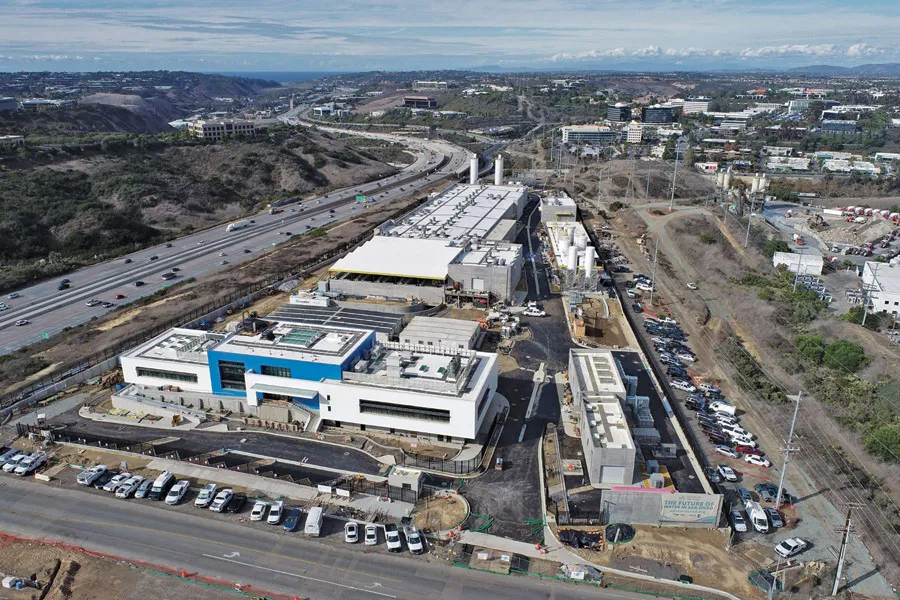
Over his career, Helminski has helped shape major public works initiatives — from the city of San Diego’s multibillion-dollar Pure Water program to large-scale system upgrades in Los Angeles through his current role at WSP.
“John’s legacy goes far beyond the water plant and pipeline infrastructure,” says Peter S. Vroom, deputy director of the environmental monitoring and technical services division for San Diego. “What stands out to me is his ability to bring together people from across departments, disciplines and perspectives and align them around a shared purpose.”
Helminski’s path into project leadership began in New Jersey, where he worked in building construction and carpentry during high school and college. That early field experience shaped his appreciation for practical design and constructability.
“That hands-on experience gave me a deep appreciation for how thoughtful design and skilled construction can improve people’s lives,” Helminski says. “It set the foundation for my interest in vertical construction and the commercial and industrial projects that shaped the early part of my career.”
While studying at the New Jersey Institute of Technology, he interned with Turner Construction before eventually relocating to Southern California to join the city of San Diego. There, he initially managed large mechanical contracts for HVAC and chiller system replacements, gaining experience in critical facility operations.
“The defining shift in my career came when I joined the city’s Metropolitan Wastewater Department,” he says. “That transition introduced me to the water sector, and it fundamentally changed how I viewed engineering’s role in society. The water sector stands out because it ties engineering directly to public health, environmental stewardship and quality of life.”
Through the 1990s, he led pump station construction, pipeline rehabilitation and wastewater treatment plant upgrades — projects he says reinforced the immediacy of water infrastructure’s impact.
“Water projects have immediate consequences for disease prevention and ecosystem protection,” he says.
In 2001, Helminski stepped into emerging territory as renewable energy program manager for San Diego’s Environmental Services Department.
“Back then, renewable energy wasn’t the mainstream [and] widely adopted solution it is today,” he says. “Solar was still expensive, and public agencies were only beginning to explore alternative financing structures like power purchase agreements.”
He researched private-sector power purchase agreements (PPAs) and helped translate them into a municipal framework. The effort led to two major solar installations — including a 1-megawatt photovoltaic array at the Alvarado Water Treatment Facility, which now generates about 20% of the plant’s power and saves an estimated $1 million annually.
The renewable energy groundwork laid the foundation for Helminski’s leadership role in San Diego’s Pure Water program. In 2014, he became assistant director of the initiative, which aims to produce up to 30 million gallons of purified water daily in Phase 1. That phase, now roughly 85% complete, carries a $1.96-billion price tag. The full program is projected to cost between $5 billion and $9 billion and seeks to supply nearly half of San Diego’s drinking water locally by 2035.
“Pure Water had to be built on partnerships with the public, environmental organizations, regulators and elected leaders,” he says. He viewed Pure Water as a public outreach program before it was an engineering project. His role was to provide the vision, create the structure and guide the team through complexity.
Keli Balo, deputy director of San Diego’s Public Utilities Department, credits Helminski’s inclusive management style.
“Often large projects are led by a core group that is hyperfocused on the outcome, and sometimes this can come at the cost of alienating other members of the team,” says Balo. “This seemingly simple approach is an example of John’s incredible inclusionary leadership style.”
Juan Carlos Guerreiro, director of the department, noted that Helminski’s structured monthly coordination meetings were critical to aligning stakeholders on the billion-dollar effort.
“He set up these routine meetings with over 20 attendees to make sure subject matter experts were in a room together,” says Guerreiro. “This process allowed each team member to understand their role in a larger project and help foster collaboration and communication.”
Douglas M. Owen, program adviser at Stantec and former Pure Water consultant program manager, recalls Helminski’s hands-on leadership.
“When he wasn’t in his office, John walked around to the program staff cubicles,” remembers Owen. “We always felt like a part of the city team. We didn’t feel like outsiders. John set that tone—one team for the program.”
Vroom adds that Helminski’s broader impact extends beyond physical infrastructure.
“On a personal level, John was an exceptional mentor who taught me the value of thoughtful leadership [and] collaboration and knowing when to leverage outside expertise to strengthen outcomes,” says Vroom, describing the “John Helminski mark” as a “generation of public servants who approach high-stakes projects with rigor and humility.”
Today, as senior vice president of water resources at WSP, Helminski continues shaping Southern California infrastructure. He is working with Los Angeles County Public Works to evaluate 15 pump stations supporting capital improvement programs and contributing to conceptual stormwater diversion and reuse designs under the Los Angeles Measure W initiative.
Colleagues say his calm demeanor defines his leadership.
“He doesn’t panic. He communicates well, and people can talk to John about problems. He is a strategic leader and helps his teams find solutions to keep moving the project to completion,” says Patti Boekamp, WSP senior vice president.
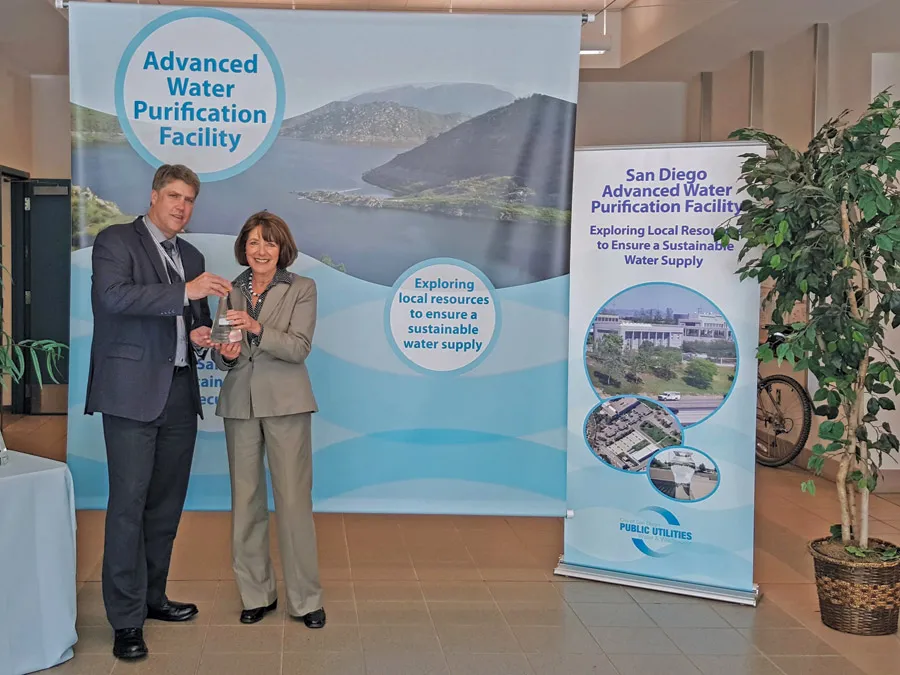
Helminski remains active in industry organizations such as the American Water Works Association and WateReuse California, mentoring younger engineers and advocating relationship-building over purely technical achievement.
“It’s the people you work with—your clients, your team and your partners,” he says. He advises them to invest in relationships, listen to mentors and treat every interaction as part of their reputation.
Reflecting on his career, Helminski says the projects themselves are not what stand out most.
“It’s the people. It’s the journey. It’s the teams I’ve had the privilege to work with and the collaboration that made all those projects possible,” he says. “If this Legacy Award represents anything, it represents them. They’re the ones who made the work meaningful. They’re the ones who will carry it forward. And that, to me, is the truest legacy you can leave.”
Originally reported by Greg Aragon in ENR West.