A federal judge has again ruled against plans to construct a large ballroom at the White House, halting major portions of the project while allowing limited work tied to national security to continue.

In a sharply worded order, U.S. District Judge Richard Leon criticized Donald Trump for what he described as a “brazen” attempt to continue construction without congressional approval. The ruling clarifies an earlier injunction issued March 31 that had ordered work on the project to stop.
The dispute centers on a proposed 90,000-square-foot ballroom at the White House, a project estimated to cost more than $400 million and funded by corporate donors.
In his updated ruling, Leon emphasized that only certain portions of the project tied directly to national security could proceed.
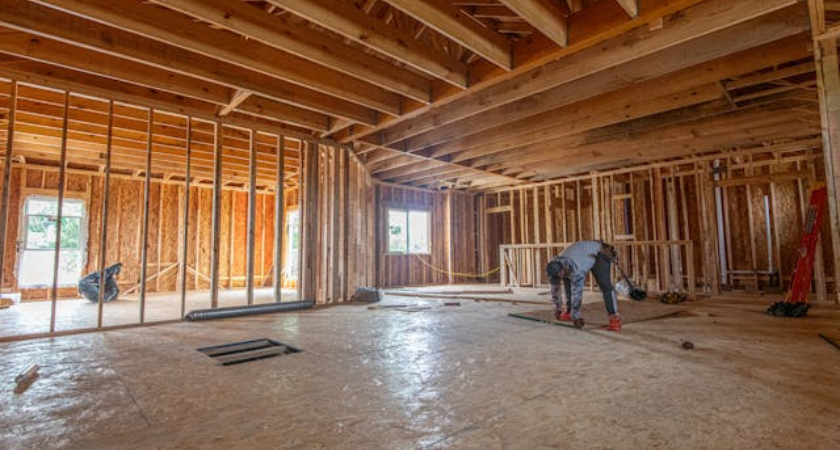
He clarified that construction must stop on “above-ground construction of the planned ballroom” while allowing “below-ground construction of national security facilities” to continue.
The judge’s order came after the Trump administration argued that the ballroom and a planned underground bunker should be treated as a single, inseparable project due to security features such as missile-resistant structures and reinforced roofing.
Leon rejected that argument.
“I cannot possibly agree,” the judge wrote, pushing back against what he described as an unreasonable interpretation of the national security exemption.
The lawsuit was brought by the National Trust for Historic Preservation, which argued that the administration overstepped its authority by demolishing parts of the historic White House East Wing and proceeding with construction without congressional approval.
The case highlights broader tensions over executive authority, historic preservation and federal construction oversight.
The Trump administration has indicated it will appeal the decision to the U.S. Court of Appeals for the District of Columbia Circuit, continuing a legal battle that has already delayed the high-profile project.
In public remarks, Trump criticized Leon as a “highly political” judge and defended the project as necessary for national security, arguing it would provide enhanced safety features for future presidents during major events and global summits.
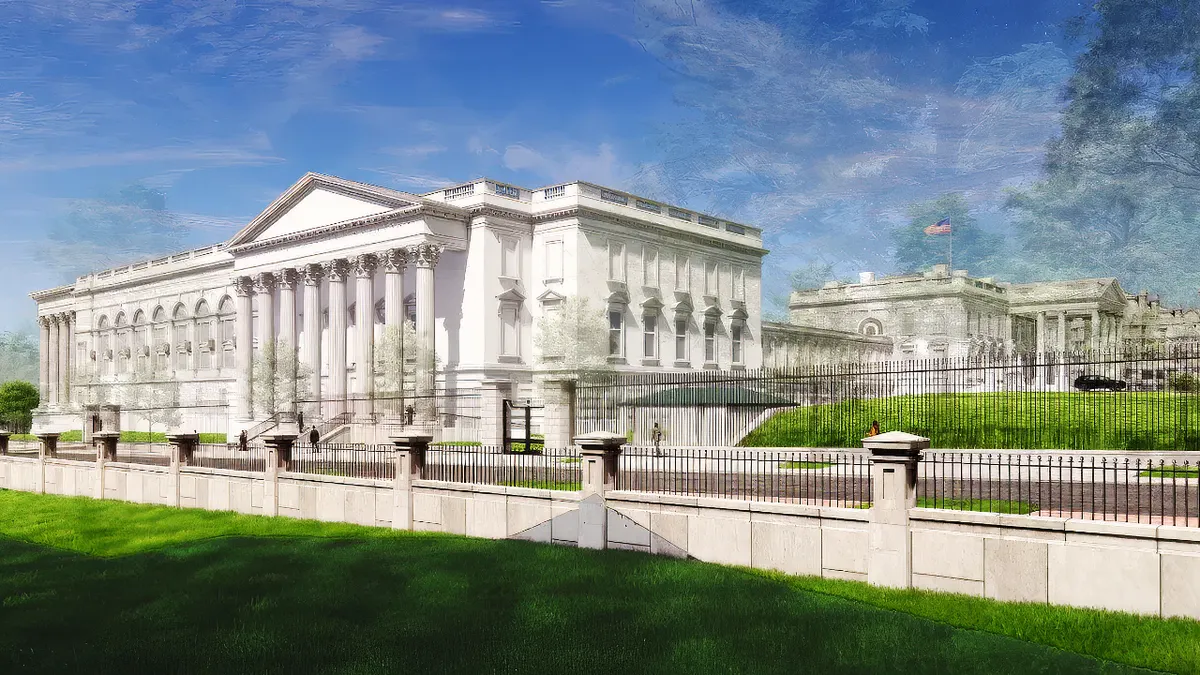
Construction on the ballroom began after the demolition of the East Wing in October, sparking controversy among preservationists and legal experts. While the administration has framed the project as a modernization effort with security enhancements, opponents argue it undermines the historical integrity of one of the nation’s most significant landmarks.
The ruling leaves the project in a state of uncertainty. While underground work tied to security infrastructure may continue, the halt on above-ground construction could significantly delay completion timelines.
The outcome of the appeal will likely determine whether the project can proceed as planned or faces further restrictions.
Originally reported by Jan Wolfe in Reuters.