U.S. construction owners and contractors are seeing capital flow aggressively into transportation modernization, mega-venue development and operational technology as several major announcements this month underscored shifting priorities in both public and private markets.
From Boston’s commuter rail system to the Hudson River corridor and Cleveland’s sports infrastructure, project sponsors are advancing multibillion-dollar initiatives that emphasize long-term capacity, resilience and economic development while contractors expand their role beyond physical construction into workforce innovation.
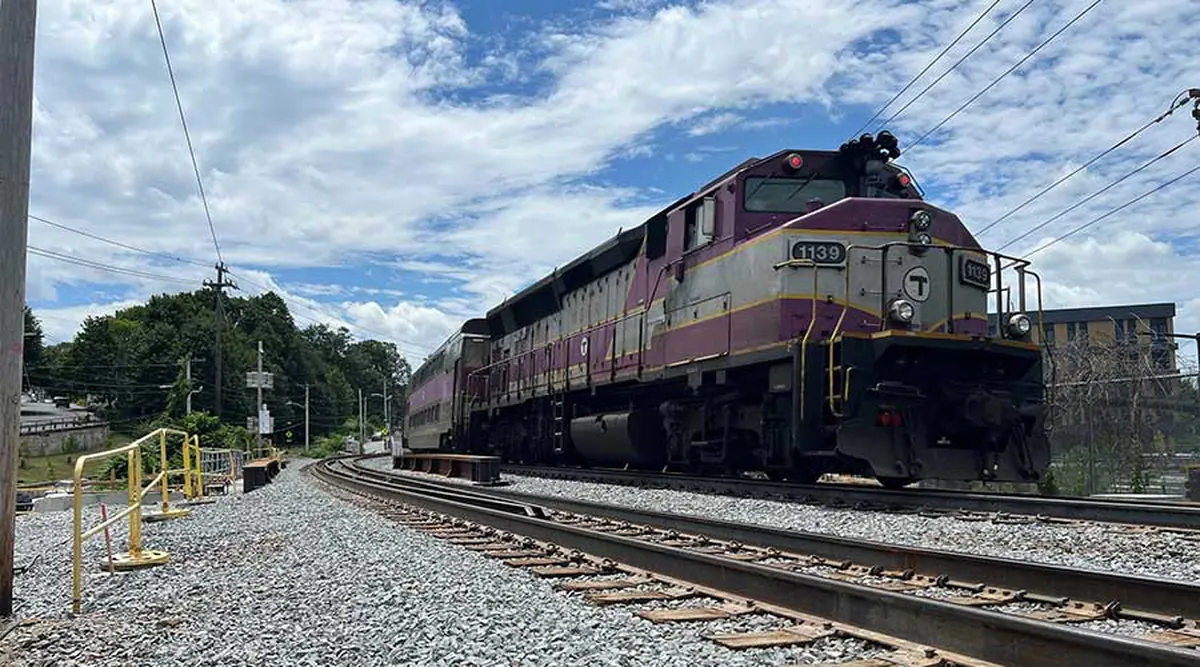
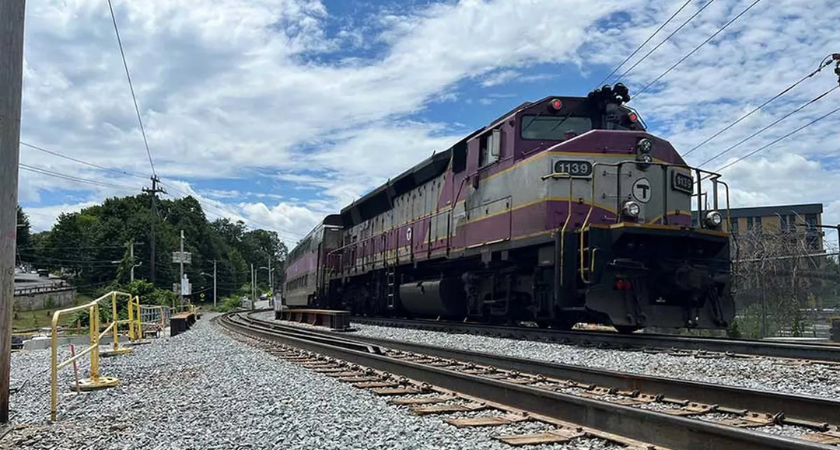
In Massachusetts, the Massachusetts Bay Transportation Authority selected Skanska USA Civil for a $1.06 billion contract to replace the aging Charles River Draw One rail bridges near North Station, one of the region’s most critical commuter bottlenecks.
The project will replace 1930s-era bascule bridges with modern vertical lift spans, expand rail capacity from four to six tracks, add a new control tower and deliver major signal, track and positive train control upgrades across Boston, Cambridge and Somerville. Construction is scheduled to begin immediately, with delivery targeted for 2032.
For contractors and infrastructure owners, the award reinforces sustained public-sector demand for complex design-build rail programs that combine bridge replacement, transit expansion and systems integration into single procurement vehicles.
Meanwhile, the Gateway Development Commission awarded a separate $1.3 billion contract for the Hudson Tunnel Program’s largest tunnel-boring segment, advancing a pair of approximately 7,250-foot tubes beneath the Hudson River between New Jersey and Manhattan.
The package adds to one of the nation’s most strategically significant transportation programs, with implications for heavy civil contractors specializing in tunnel boring, geotechnical stabilization and rail systems. With six of 10 project packages now awarded, the program also provides a long-duration backlog opportunity for joint ventures operating in specialized infrastructure.
In Ohio, the groundbreaking of the new Huntington Bank Field marks a major expansion of sports-led economic development strategy.
The enclosed stadium project in Brook Park, led by a joint venture of AECOM Hunt and Turner Construction, is expected to anchor a broader mixed-use district while generating more than 6,000 construction jobs. Scheduled to open in 2029, the project reflects continued owner appetite for destination-based venues that blend hospitality, entertainment and urban redevelopment.
For developers and contractors, stadium megaprojects increasingly represent more than venue delivery—they are becoming district-scale economic engines that require integrated expertise in vertical construction, infrastructure, logistics and community partnerships.
Separate from project awards, Turner Construction’s decision to release its AI-powered SafeT Coach platform at no cost to the broader industry may carry strategic implications beyond safety.
The tool, which provides real-time field guidance, hazard recognition and jobsite safety coaching via mobile devices, represents a growing shift toward AI-assisted operational management. For owners, general contractors and specialty trades, digital safety tools may increasingly influence insurance outcomes, workforce productivity and prequalification standards.
As labor shortages, insurance pressures and regulatory scrutiny intensify, contractors adopting scalable safety technologies could gain measurable competitive advantages.
Collectively, these developments reflect three converging themes shaping the construction economy in 2026:
For construction executives, this means future competitiveness may depend not only on winning work, but on delivering multidisciplinary capabilities across infrastructure, technology integration and workforce performance.
Owners across sectors may need to recalibrate procurement and project delivery strategies as megaproject complexity rises.
For owners, developers and contractors alike, the latest wave of awards and launches suggests the industry is entering a cycle where resilience, scale and innovation are becoming central drivers of capital deployment.
Originally reported by Batrak Oleksandr — Editor-in-Chief at Railway Supply in Railway Supply.