Construction on Miami Signature Bridge has resumed after a fatal accident, even as the high-profile project continues to face mounting delays, safety concerns and legal disputes.

The project, overseen by the Florida Department of Transportation, is designed to connect three major highways in Miami. Initially expected to be completed in 2021, the timeline has now stretched to a projected 2029 completion — nearly a decade behind schedule.
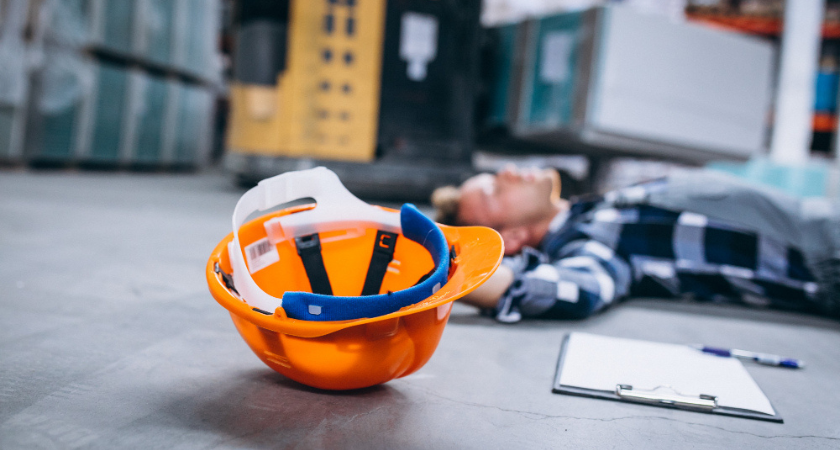
Construction restarted just weeks after a worker fell from an overpass and died in late March. The incident is now under investigation by the Occupational Safety and Health Administration.
The worker fell approximately 20 feet from an Interstate 395 overpass onto Biscayne Boulevard. Officials have not yet determined the cause of the accident.
The fatality follows another serious incident in January, when a toppled concrete beam injured six workers, further raising concerns about jobsite safety on the project.
Beyond safety concerns, the project has been entangled in lawsuits filed by the lead contractor, the Archer Western–de Moya Joint Venture, which allege design flaws and construction challenges contributed to years of delays and hundreds of millions of dollars in added costs.
According to the filings, engineering firm HDR miscalculated wind forces acting on the bridge’s signature arches. The contractor claims the original design may not have been capable of withstanding Miami’s high winds, requiring a redesign that added years to the schedule and roughly $405 million in costs.
A separate lawsuit alleges defective concrete forced demolition and replacement of certain sections, adding another $3.6 million to the project.
Jean-Pierre Bardet, former dean of the University of Miami College of Engineering, described the bridge as “one of the most challenging” projects after reviewing court documents.
He noted that the square-edged design of the bridge’s arches increases wind resistance, requiring additional reinforcement.
“Since we cannot smooth the edges, we have to strengthen them,” Bardet said. “We don’t want the arches, when the wind comes, to flutter.”
Eileen Higgins called the project a “mixed blessing,” acknowledging its long-term benefits while expressing concern over its ongoing impact on the city.
“All of it concerns me because this bridge needs to be finished sooner rather than later,” Higgins said. “What we have now is a giant construction project that is dividing our downtown.”
.jpg)
She emphasized that prolonged construction is disrupting daily life and limiting the project’s intended benefits of reconnecting neighborhoods.
With costs rising and timelines extending, experts are calling for greater transparency. Bardet suggested forming an independent panel of engineers to review the project and communicate findings to the public.
“The public needs to be informed,” he said.
The Florida Department of Transportation has attributed delays to factors such as weather and supply chain disruptions but has not provided detailed responses to recent findings or expert analysis.
As construction continues, the Miami Signature Bridge remains a symbol of both ambitious infrastructure investment and the risks of complex project delivery — where design challenges, safety concerns and coordination issues can significantly alter timelines and costs.
Originally reported by Hatzel Vela in NBC Miami.