A series of high-profile construction initiatives at the White House is drawing renewed attention from policymakers, contractors, and analysts as federal building activity increasingly overlaps with political messaging and public scrutiny over costs and priorities.
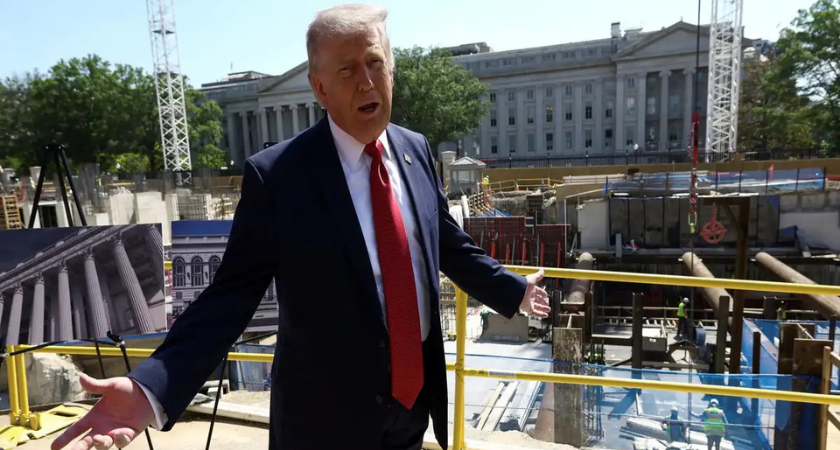
At the center of the discussion is a planned ballroom addition and related campus improvements that have become a recurring feature of public remarks and site visits by Donald Trump. The project, alongside proposed enhancements to surrounding ceremonial spaces, has positioned White House-area construction as one of the most visible federal building efforts currently underway.
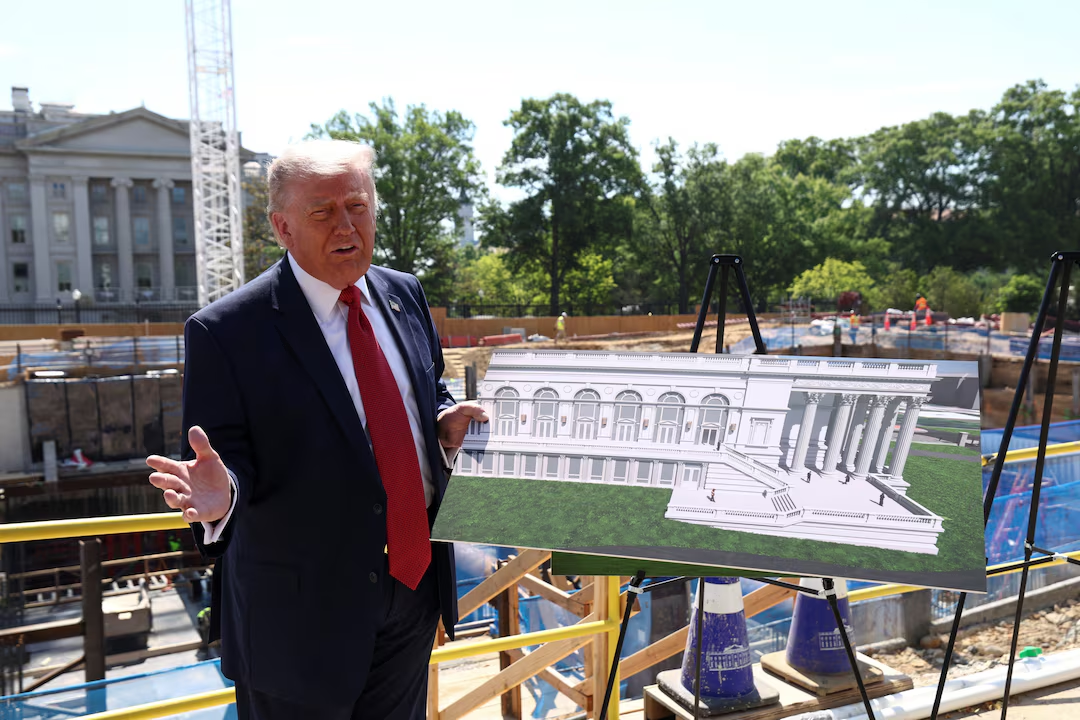
While the administration frames the work as part of long-term legacy improvements to national civic infrastructure, the projects have also sparked debate over timing and economic sensitivity, particularly as households face persistent pressure from higher living costs and broader macroeconomic uncertainty.
From a construction perspective, the initiative represents a complex intersection of security-driven design requirements, phased build sequencing, and highly restricted site logistics. Any major structural addition within the White House complex typically requires coordination across federal agencies, specialized contractor clearances, and continuous operational security measures, significantly raising execution complexity compared to standard institutional projects.
Industry observers note that the scope of federal campus enhancements in Washington, D.C. reflects a broader pattern of government-led construction programs that blend infrastructure upgrades with symbolic or ceremonial design goals. These projects often require premium contractor expertise in secure environments, accelerated schedules, and strict compliance frameworks.
However, the visibility of such work also increases political and public scrutiny, particularly when cost discussions intersect with broader federal spending debates. Security-related upgrades, in particular, can significantly expand total project budgets beyond core construction scopes, influencing procurement planning and contractor selection strategies.
For construction owners and contractors, the developments highlight both opportunity and risk in federal civic work. On one hand, high-profile government projects can generate long-term backlog stability for qualified builders with security clearance capabilities. On the other, shifting political priorities can affect funding pathways, scope definitions, and long-term execution timelines.
As Washington continues advancing major civic and institutional construction programs, contractors operating in this space are likely to see continued demand for specialized delivery models—particularly in secure, occupied, and politically sensitive environments where construction activity must align with both operational continuity and public visibility.
Originally reported by Steve Holland, Andy Sullivan, Richard Cowan and Nandita Bose in Reuters.