NEW YORK — A long-standing New York labor law continues to shape risk, liability and safety practices across the construction industry, placing significant responsibility on property owners and contractors when workers are injured in fall-related incidents.
.jpg)
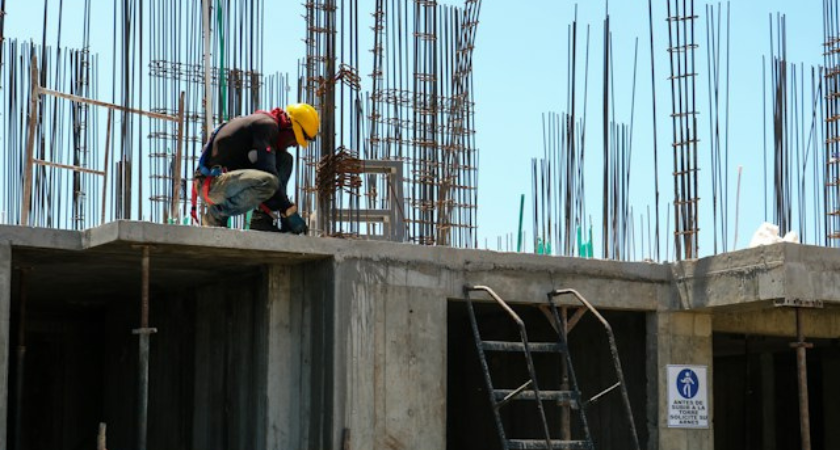
New York Labor Law Section 240 — commonly referred to as the Scaffold Law — is designed to protect construction workers from gravity-related hazards, including falls from scaffolds, ladders and rooftops, as well as injuries caused by falling objects.
According to a recent legal analysis published by Steven Louros of the Law Office of Steven Louros, the statute remains one of the most powerful worker protection laws in the United States, particularly because of how it assigns liability.
Unlike most personal injury claims, which require proof of negligence, Section 240 applies a strict liability standard. This means that if a worker is injured due to inadequate or faulty safety equipment, responsibility automatically falls on property owners or general contractors.
The law applies specifically to gravity-related risks — a leading cause of injuries on construction sites in New York City — and removes the burden on workers to prove fault.
"A lot of workers come to us thinking they have no case because they were told the fall was their own fault," Louros said. "Under the Scaffold Law, that argument usually does not hold up. If the owner or contractor did not provide the right scaffolding, harness, or safety net, the liability falls on them. That is the whole point of Section 240."
This legal framework is particularly significant in an industry where falls remain one of the leading causes of serious injury and death. By shifting liability, the law incentivizes owners and contractors to prioritize proper safety equipment and compliance on job sites.
The statute covers a wide range of construction-related activities, including construction, demolition, renovation and alteration work. Workers protected under the law include roofers, painters, window washers and general laborers.
Importantly, eligibility under Section 240 depends on the type of work being performed at the time of the incident — not the worker’s job title or employment classification.
The law also applies across all five boroughs of New York City — Brooklyn, Queens, The Bronx, Staten Island and Manhattan — as well as surrounding regions such as Long Island.
.jpg)
Legal experts say the breadth of the law reflects its core purpose: ensuring that those responsible for jobsite safety are held accountable when protections fail.
Construction sites across New York City send thousands of workers to hospitals each year, with falls accounting for a significant share of those injuries. In many cases, workers may not initially realize they are protected under Section 240 or that liability may rest with project stakeholders rather than themselves.
For construction owners and developers, the implications are substantial. The law reinforces the need for rigorous safety planning, proper equipment installation and ongoing compliance monitoring to mitigate risk and avoid costly litigation.
As projects grow in complexity and urban construction intensifies, Section 240 continues to serve as a defining legal framework influencing how construction work is performed — and how responsibility is assigned when accidents occur.
Originally reported by Law Office of Steven Louros in Yahoo Finance.