The push to convert underused office buildings into residential housing is accelerating across the U.S., with new data showing a sharp increase in projects entering the pipeline.
.webp)
According to a recent report from RentCafe, office-to-apartment conversions reached 90,300 units at the start of 2026 — marking a 28% year-over-year jump and underscoring a growing shift in how cities are rethinking commercial real estate.
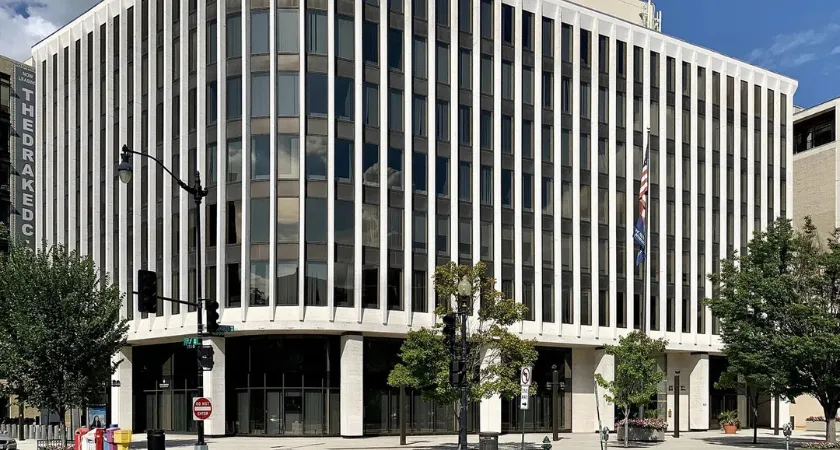
New York City continues to lead the nation by a wide margin, accounting for 16,358 conversion units currently underway. It is followed by Washington, D.C. with 8,479 units and Chicago with 4,360 units.
Other cities gaining traction include Los Angeles, Dallas, Denver, Philadelphia and Atlanta, reflecting a nationwide trend toward repurposing commercial assets.
Office buildings now represent nearly half — 47% — of all future conversion projects, far surpassing other property types like hotels (18%) and industrial buildings (16%). Since 2022, the number of housing units generated through office conversions has surged by an impressive 290%.
The surge in conversions is largely being fueled by the long-term impact of remote and hybrid work trends. With fewer employees returning to traditional office spaces, vacancy rates have climbed significantly.
At the start of 2025, national office vacancy rates were close to 20%, while actual occupancy in many buildings hovered around 50%. This imbalance has left cities with a surplus of underutilized office space — and an urgent need for housing solutions.
Doug Ressler of Yardi Matrix noted that remote work continues to reshape demand patterns, prompting developers and policymakers to reconsider how office assets can be used more effectively.
Local governments are increasingly stepping in to encourage conversion projects through financial incentives and policy reforms.
In New York City, officials introduced a property tax exemption program in 2024 aimed at converting non-residential buildings into housing. Meanwhile, Washington, D.C. launched its “Housing in Downtown” initiative, offering a 20-year tax abatement to support conversions and attract up to 15,000 new residents by 2028.
In Chicago, tax-increment financing is being used to support major downtown conversion projects, while New York is considering refundable tax credits to expand similar efforts in cities like Buffalo and Albany.
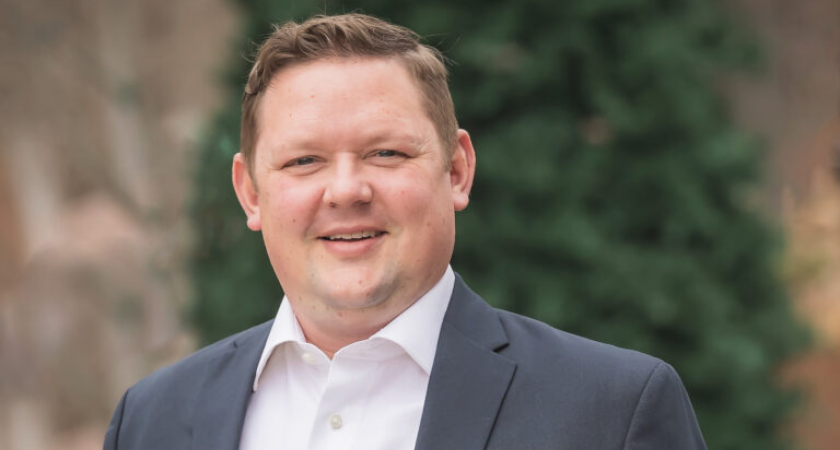
“Buffalo is facing two difficult realities at the same time: a shortage of housing that people can afford and underutilized office space in our downtown,” said Sean Ryan. “Conversions like these are the creative tools that Buffalo needs to meet the challenges of the present day.”
The rise in office-to-housing conversions reflects a broader shift in urban planning priorities. Cities are increasingly focused on revitalizing downtown areas that have struggled to recover from pandemic-era disruptions.
By transforming vacant office buildings into residential units, municipalities aim to:
However, challenges remain. Conversions can be costly and complex, often requiring structural modifications, zoning changes and significant investment to meet residential standards.
.webp)
As the pipeline for office-to-apartment conversions continues to grow, industry experts expect several trends to shape the next phase of development:
In the long term, the success of these projects could redefine how cities utilize commercial real estate, turning once-vacant office towers into vibrant residential communities.
With demand for housing still outpacing supply in many urban markets, office conversions are emerging as a critical strategy for addressing both economic and social challenges in modern cities.
Originally reported by Ryan Kushner, Editor in Manufacturing Dive.