Hospitality developers are weighing stronger travel demand against higher financing and construction costs as they determine which hotel projects should advance. PCL Construction’s 2026 market analysis identifies event-driven travel, experience-focused properties and renovation activity as key factors shaping hospitality construction strategies.
Major sporting events, concerts and conventions are contributing to concentrated periods of travel demand and influencing where hospitality investment occurs. The source material cites projected growth in international visitation and the impact of major sporting events on U.S. travel spending.
Arizona is identified as one market where tourism, business investment and major events are supporting hotel development. The state is expected to add about 4,900 hotel rooms over the next five to seven years, according to the cited IBISWorld data.
Business travel also represents an important portion of hospitality revenue. Although business travelers account for about 20% of trips, they generate an estimated 40% to 60% of lodging and air revenue, according to the report.
Renovations and additions accounted for nearly 27% of hospitality construction revenue in 2025, while new hotel construction represented about 69%, based on the report's cited IBISWorld figures.
High financing costs, changing guest expectations and competition among existing properties are contributing to greater interest in repositioning and modernization. Renovations can allow owners to upgrade amenities and technology while retaining established locations.
The analysis also points to continued investment in wellness facilities, food and beverage offerings, event spaces and connected building systems. These features can influence how hospitality properties are designed, renovated and operated.
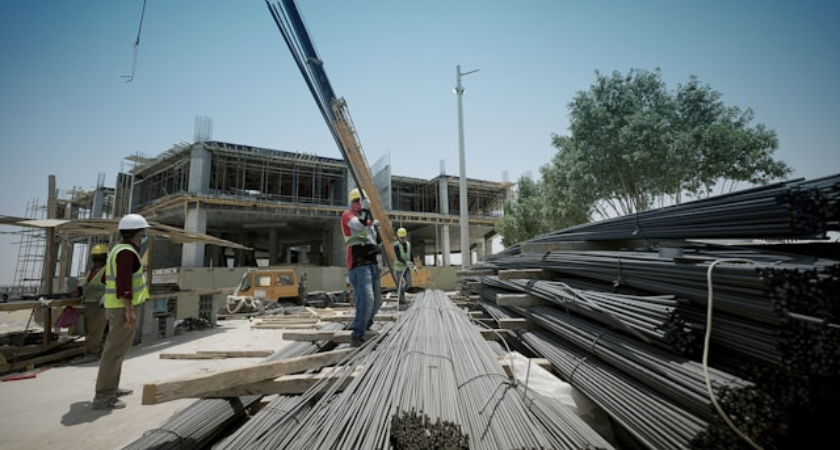
Ground-up hotel construction continues where market demand, financing and project positioning support new investment. Luxury and destination-oriented properties remain among the segments attracting development because of their ability to support higher-value guest experiences.
At the same time, developers must evaluate labor availability, material costs, supply-chain conditions, regulatory requirements and operational constraints. For active hotels and resorts, construction planning must also account for the effect of renovation work on ongoing operations.
PCL's analysis emphasizes early planning and feasibility evaluation as owners compare renovation and new-build options. Project phasing, procurement planning and coordination with operating requirements can influence delivery strategies.
Hospitality owners and developers are entering a market where demand remains favorable but project decisions require closer evaluation of cost, financing, location and guest expectations. The report indicates that both renovations and new construction have opportunities, with the appropriate strategy depending on market conditions and individual asset characteristics.
Source: PCL Construction.