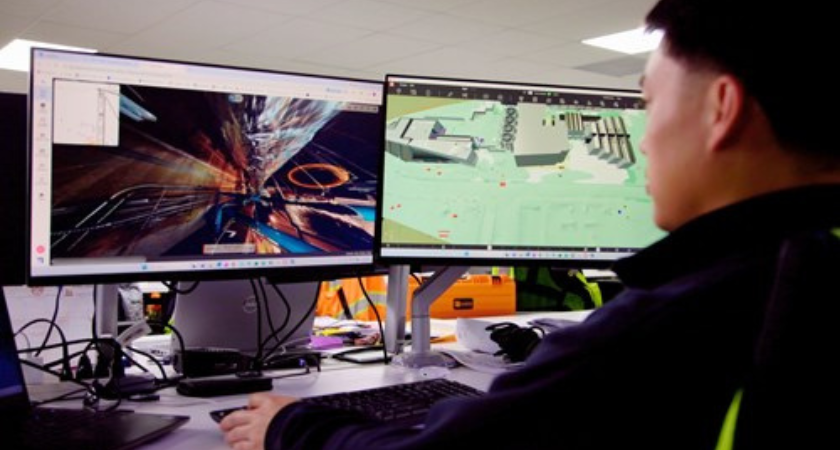
As construction firms continue investing in digital transformation strategies, Rudolph and Sletten, Inc. is expanding its use of reality capture technology to improve project coordination, field visibility, and operational efficiency across California projects.
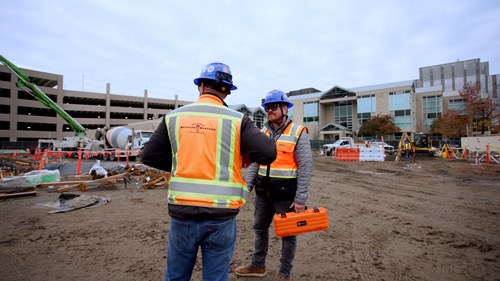
The contractor recently confirmed it has standardized on Cupix for site documentation and digital jobsite capture, integrating the platform into projects spanning healthcare, commercial, education, and high-tech construction sectors.
The move reflects a broader industry trend toward connecting field operations with virtual design and construction workflows as owners and contractors seek more accurate, real-time project data.
Company leadership said the initiative began as part of a larger effort to modernize construction workflows and reduce reliance on disconnected documentation systems. The contractor evaluated new technology platforms beginning in 2018 as teams looked to improve collaboration between BIM specialists, project managers, superintendents, and field personnel.
According to the company, earlier documentation tools lacked the flexibility needed for increasingly complex project environments and created barriers between field and design teams. Standardizing on a single reality capture platform allowed project stakeholders to access current site conditions more efficiently while reducing duplicate workflows.
The rollout accelerated during the COVID-19 pandemic, when jobsite access restrictions increased demand for remote visibility and digital project tracking. The technology enabled teams to continue monitoring construction progress and coordinating work without requiring large numbers of personnel on active jobsites.
Integrations with Procore and Revizto also helped support adoption by consolidating issue tracking and improving coordination between BIM environments and real-world field conditions.
The company said the platform is now used throughout the project lifecycle, including preconstruction planning, active construction, punch list management, and as-built documentation turnover.
During preconstruction, digital captures help reduce repeat site visits and improve safety by limiting unnecessary field exposure. During construction, teams use the system to monitor installation progress, support payment applications, track project issues, and improve communication with architects and engineers.
On large healthcare projects, including hospital campuses exceeding 600,000 square feet, multiple capture devices are deployed daily to document ongoing work and maintain updated project records.
The contractor has also begun incorporating AI-driven progress tracking tools to compare actual field conditions against planned schedules and project milestones.
For construction owners, the growing use of reality capture and integrated digital documentation platforms could significantly improve transparency, reduce disputes, and accelerate decision-making on large projects. Real-time visual records can also strengthen quality assurance efforts, simplify turnover documentation, and create more comprehensive facility records for long-term operations and maintenance.
As owners increasingly demand data-driven project delivery, contractors that successfully integrate BIM, field capture, and collaboration platforms may gain a competitive advantage in complex markets such as healthcare and mission-critical construction.
For construction owners, the adoption of reality capture technology highlights the increasing value of real-time project visibility and integrated digital documentation. Platforms that connect BIM models with current field conditions can improve communication between owners, contractors, architects, and consultants while reducing delays caused by incomplete or outdated information.
The technology can also help owners improve oversight on large or complex projects by providing consistent visual records of construction progress, quality control conditions, and installation status. In sectors such as healthcare and mission-critical construction, where coordination and compliance requirements are especially demanding, digital site documentation may help reduce rework, streamline approvals, and strengthen accountability across project teams.
As more contractors standardize digital workflows, owners may increasingly evaluate technology integration capabilities alongside traditional construction qualifications when selecting project partners.
Originally reported by CUPIX and Ryan Shilling, Rudolph & Sletten in RS Construction.