SARASOTA, Fla. — A powerful demographic shift is fueling what industry experts describe as one of the most significant construction opportunities in decades: senior living development along Florida’s Gulf Coast.
.jpg)
Driven by the aging baby boomer population, demand for senior housing in Southwest Florida is accelerating rapidly, creating a surge in construction activity and long-term investment potential for developers and contractors.
The trend is already underway as the oldest baby boomers reach age 80 in 2026, a milestone that is reshaping housing needs across the U.S. and particularly in high-retirement markets like Southwest Florida.
Florida has long been a top destination for retirees, and the Gulf Coast continues to attract older adults due to its climate, affordability and established communities. Now, population data is reinforcing what developers have anticipated for years — demand for senior housing is no longer a future projection but a present reality.
According to industry data, the U.S. population aged 80 and older is expected to grow by more than 16% by 2028 and nearly 28% by 2030. By 2035, that demographic could reach nearly 23 million people — almost double today’s levels.
Despite Florida’s nearly 2,000 senior living communities, supply has not kept pace with rising demand. Occupancy rates across the state already exceed national averages, signaling a tightening market.
The imbalance is even more pronounced nationally. Senior housing supply growth fell to just 0.7% in the third quarter of 2025, while occupancy climbed to 88.7%, marking 17 consecutive quarters of increases. Independent living occupancy reached 90.2%, underscoring the strong demand for these communities.
“Net absorption outpaced new supply by nearly five times in 2025,” according to industry data cited in the report.
The widening gap between supply and demand is creating a significant opportunity for construction firms. Industry estimates suggest that approximately 70,000 new senior housing units will be needed annually through 2036 to meet peak demand. However, fewer than 6,000 units were delivered nationwide in 2025.
This shortfall has positioned senior living as one of the most attractive sectors in commercial real estate. Property values in the sector rose more than 10% in 2025, while transaction volume increased by more than 50% late in the year.
In the Sarasota-Tampa corridor, the opportunity is especially pronounced. Developers are actively advancing projects to capitalize on strong market fundamentals, with expectations that occupancy rates could approach 90% in 2026 — potentially higher in high-demand regions like Southwest Florida.
Timing is a critical factor. The average construction timeline for a senior living community is approximately 29 months, meaning projects starting today may not open until late 2028. In a market already facing supply shortages, early movers are expected to benefit the most.
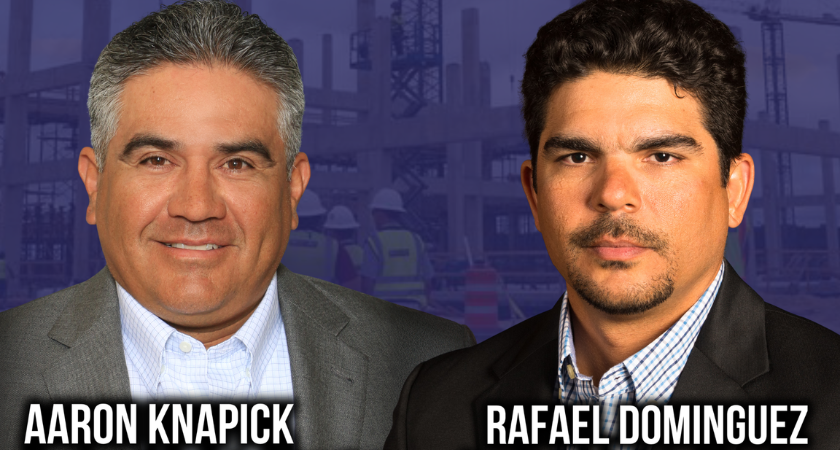
“Engaging a construction manager early is not simply a best practice, in this market it is a strategic imperative.”
.jpg)
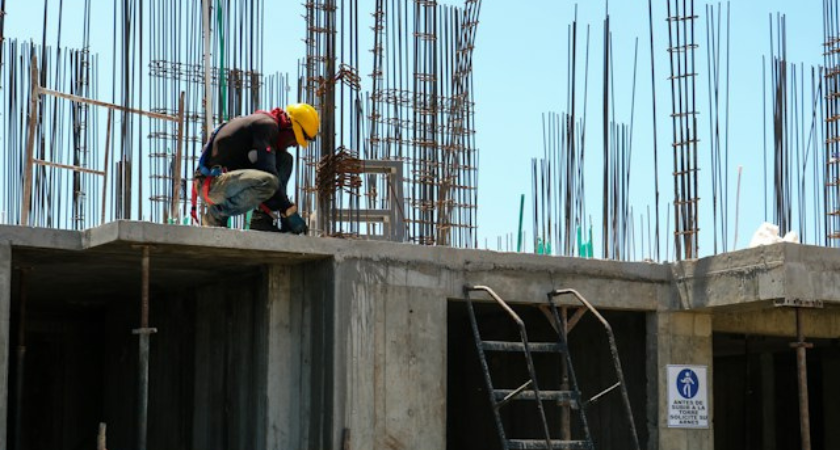
The complexity of senior living construction further reinforces the need for early planning. Projects often combine independent living, assisted living and memory care facilities, each requiring specialized design, building systems and regulatory compliance.
Additionally, modern senior living communities are evolving to meet changing expectations. Today’s residents prioritize wellness, social engagement and technology integration, driving demand for amenities such as fitness centers, outdoor spaces and hospitality-style dining.
These trends are reshaping construction requirements, creating opportunities for contractors with expertise in both healthcare and high-end residential building.
As Florida’s construction market remains highly active across multiple sectors, competition for skilled labor and subcontractors is also intensifying. Developers who secure experienced construction partners early are likely to gain advantages in cost control, scheduling and project delivery.
With demographic momentum building and supply lagging behind demand, Southwest Florida’s senior living sector is emerging as a key growth driver for the construction industry in the years ahead.
Originally reported by Brinkmann in BIZ Journals.