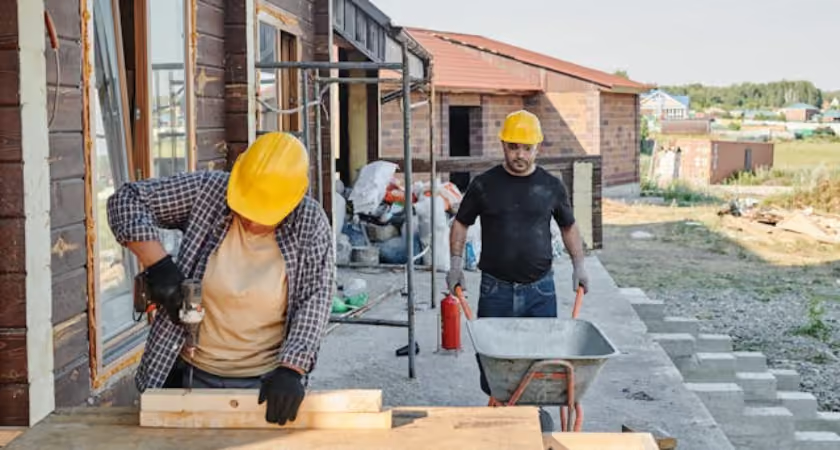
A growing shortage of skilled construction workers is emerging as a major barrier to housing affordability, according to a new industry perspective from the Associated Builders and Contractors (ABC) of Alabama.
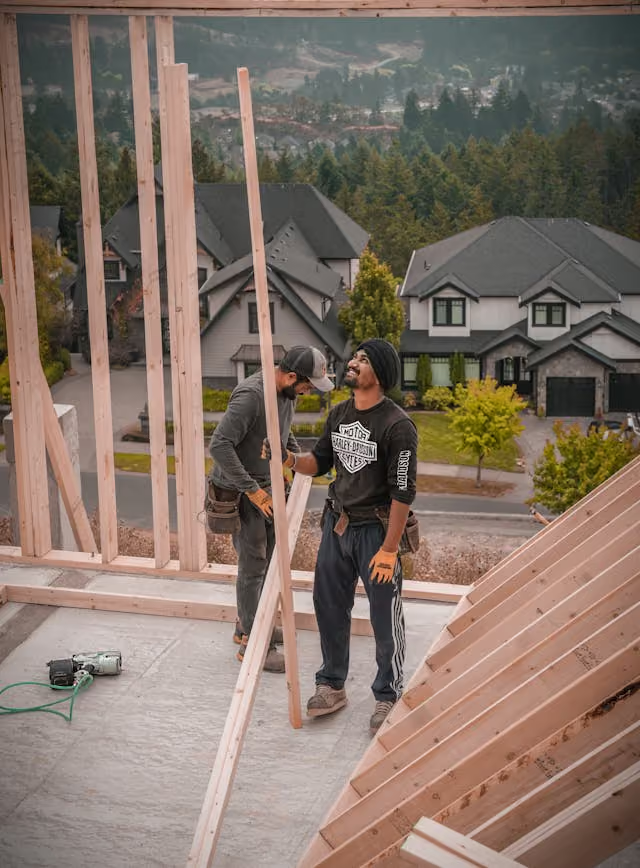
In an op-ed, industry leaders warned that declining workforce numbers—combined with rising demand for construction—are putting pressure on project timelines, increasing costs and limiting the availability of new housing across the state and nationwide.
Commercial construction currently accounts for more than 6% of Alabama’s GDP and supports tens of thousands of jobs, underscoring the sector’s importance to economic growth. However, workforce constraints are expected to persist for the next three to five years, driven by inflationary pressures and an aging labor pool nearing retirement.
Industry data indicates the labor gap is significant. ABC estimates the construction sector needs roughly 500,000 additional workers beyond normal hiring levels in a single year to meet demand.
The shortage is already having a measurable impact. Limited labor availability is contributing to longer construction timelines, rising project costs and broader disruptions across commercial and residential development.
Housing markets, in particular, are feeling the strain. According to the National Association of Home Builders, labor shortages remain one of the leading causes of construction delays and increased home prices nationwide.
In fast-growing areas such as Huntsville, where nearly 5,000 new housing units were added in 2025, maintaining a strong pipeline of skilled workers is critical to keeping pace with demand and ensuring affordability.
To address the shortage, Alabama has partnered with the U.S. Department of Labor to expand apprenticeship opportunities and workforce training programs.
These initiatives aim to provide students with an alternative to traditional four-year degrees by offering hands-on training and the ability to earn income while learning. Industry leaders say such programs are essential to building a sustainable workforce pipeline.
“With stunted labor, the country will continue to see increased housing prices and a shortage of competent workers and contractors,” the op-ed notes, emphasizing the broader economic consequences of inaction.
.avif)
The piece also highlights the role of policymakers in addressing workforce challenges. Alabama Attorney General Steve Marshall, who is running for the U.S. Senate, was cited as a supporter of skilled trades and construction workforce development.
“These are the men and women who wake up early, work with their hands and build this country from the ground up,” Marshall said.
With $12.5 million in federal funding supporting apprenticeship programs, state leaders hope to attract more workers into the trades and offset declining participation in the construction workforce.
Industry advocates argue that expanding access to skilled trades careers will not only strengthen the labor market but also play a critical role in addressing the nation’s housing shortage. By increasing the number of trained workers, developers can accelerate project timelines, reduce costs and ultimately deliver more affordable housing.
Originally reported by ABC Alabama in Yellow Hammer News.