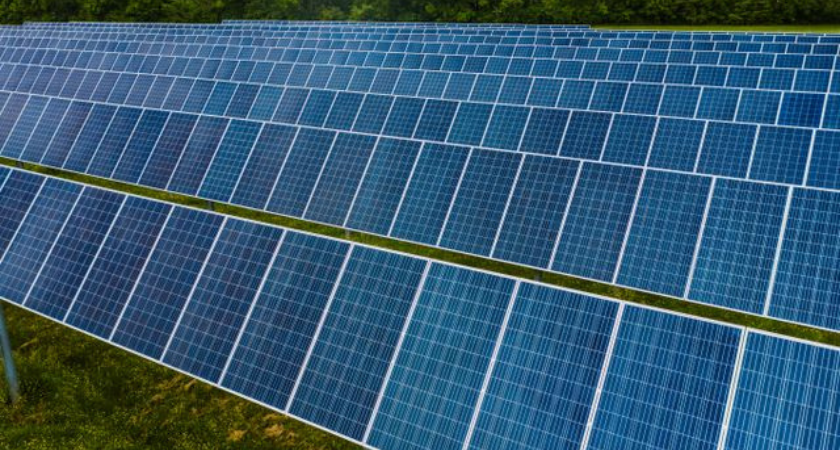
Solar project owners are incorporating carbon management into construction and development strategies as utility-scale renewable projects expand across the country. Sol Systems is continuing its use of forest-based carbon credits, purchasing improved forest management credits from Chestnut Carbon to address emissions associated with its operations and three Illinois solar projects.
Sol Systems began purchasing credits from Chestnut Carbon in 2025, when the arrangement addressed emissions associated with construction of the Prairie Creek solar project in Illinois.
The 2026 purchase extends the program to construction of the Tilden and Eldorado I and II solar projects. The credits will also be used to address emissions from Sol Systems' corporate operations.
Chestnut Carbon's improved forest management program involves private forest owners across the United States. The program creates a revenue source tied to carbon markets while supporting forest management expenses, property taxes and long-term land planning.
A concentration of Chestnut Carbon projects in the Midwest allows Sol Systems to direct part of its carbon-related investment toward projects in the same region as its Illinois solar development activity.
The forest management projects involve privately owned forestland and are intended to support long-term forest stewardship, ecosystem conditions and local economic activity. The approach provides a connection between renewable energy construction and land-management investments.
For construction owners and developers, the arrangement demonstrates one approach to accounting for emissions associated with project delivery. Sol Systems is applying the credits to defined construction activities as well as its broader corporate footprint.
The continued purchase of forest management credits adds an environmental component to Sol Systems' delivery strategy for its Illinois solar portfolio. The 2026 program follows the company's earlier use of credits for Prairie Creek and expands the approach to additional construction projects.
The arrangement also illustrates how project owners can incorporate carbon-related considerations into procurement and project planning while directing funding toward land-based environmental programs. For contractors working on utility-scale renewable projects, such requirements can become part of the broader environmental framework surrounding project delivery.
Source: Sol Systems.