Construction starts inched higher to begin 2026, but the headline growth was largely driven by a small number of massive energy projects, according to new data from Dodge Construction Network.

Total construction starts rose 0.7% month over month in January to a seasonally adjusted annual rate of $1.24 trillion. However, without three major nonbuilding megaprojects, overall activity would have declined, economists said.
“Nonbuilding construction remained the primary engine of growth in the first month of 2026,” said Eric Gaus, chief economist at Dodge Construction Network. “Three megaprojects in the nonbuilding sector accounted for nearly $20 billion or almost half of the growth in January, which would mean total construction would have been negative without those three projects.”
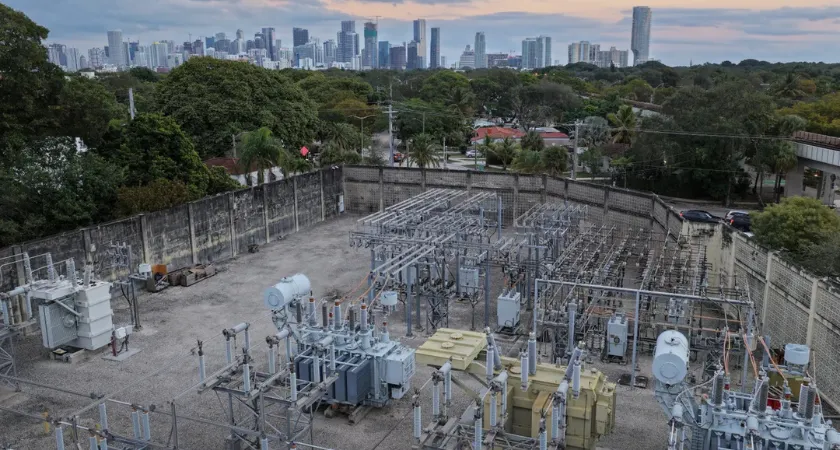
The boost came primarily from the nonbuilding sector — particularly electric power and utility projects. Groundbreakings in nonbuilding construction jumped 24.3% month over month, driven by a 184.8% surge in electric power and utility starts.
Among the largest projects breaking ground in January were:
While energy and manufacturing projects provided momentum, highway and bridge construction dropped sharply, falling 42.3% month over month.
Over the past 12 months, nonbuilding starts climbed 21%, supported by a 67.9% increase in utility and gas projects and a modest 3.4% uptick in highway and bridge activity. That strength helped push total construction starts up 5% year over year.
Outside of megaproject-driven gains, the broader construction market showed weakness.
Nonresidential building starts, including offices and hotels, fell 15.4% in January. A 10.2% rise in warehouse construction and a 6.5% increase in retail projects were not enough to offset a steep 52.2% drop in office and data center groundbreakings.
Despite the monthly dip, Gaus said the outlook for data centers remains strong.
“While January levels were soft, they still landed 14% above January 2025,” Gaus told Construction Dive. “This largely reflects normal month-to-month volatility and does not alter our bullish outlook for data center construction in 2026, given strong sector fundamentals and steady projects in the planning pipeline.”
Institutional construction — including education and healthcare — declined 15.2% month over month. Meanwhile, manufacturing construction surged 97.5% in January after cooling late last year, reflecting continued investment in domestic production facilities.
Residential construction also retreated. Total residential starts dropped 6.4% month over month, as a 1.5% gain in single-family construction was offset by a 17.8% plunge in multifamily starts.
For the 12 months ending in January, residential starts fell 6%, while nonresidential building declined 10.3% and residential slid 17% year over year.
The January data highlights a widening divide within the construction economy. Large-scale energy, utility and manufacturing investments — often supported by federal incentives and reshoring efforts — continue to generate headline growth. At the same time, traditional commercial and multifamily segments are grappling with higher financing costs, cautious lending and moderating demand.
Economists say that unless building sectors regain traction, overall construction performance in 2026 will remain heavily dependent on megaproject activity.
If energy-related starts moderate later this year, the underlying softness in office, multifamily and institutional work could weigh more heavily on total construction volume.
For now, January’s modest overall gain signals stability — but beneath the surface, much of the industry is still searching for firmer footing.
Originally reported by Sebastian Obando, Reporter in Construction Dive.