Construction input prices rose at the start of 2026 as tariff-affected materials drove higher costs across the industry, according to a new analysis from the Associated Builders and Contractors.
.webp)
Data based on the U.S. Bureau of Labor Statistics Producer Price Index showed input prices increased 0.7% in January compared to December. On a year-over-year basis, overall construction input prices climbed 2.3%, while nonresidential construction input prices rose 2.9%.
On an annualized basis, however, nonresidential input costs surged at what ABC described as a “blistering” 7.1% rate.
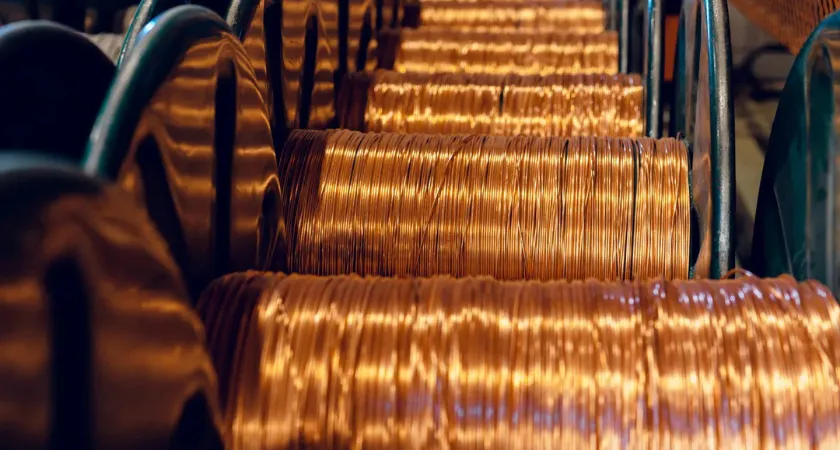
Much of January’s increase stemmed from higher prices for tariff-impacted materials such as copper wire and cable, iron, steel and industrial controls equipment, said Anirban Basu, ABC’s chief economist.
Despite the sharp monthly uptick, Basu indicated the broader trend remains relatively stable for now.
The majority of the 2.9% increase in nonresidential input prices over the past year occurred earlier in the cycle, with price growth flattening in recent months. Since September, nonresidential construction input costs have edged up only about 0.2%, according to Basu.
“Trade policy may continue to put upward pressure on certain input prices,” said Basu. “Even so, input escalation is unlikely to rise too sharply as long as energy prices remain tame and demand remains subdued.”
Even with moderating demand in some sectors, contractors remain exposed to volatility tied to global trade actions and domestic supply constraints.
Separate analysis from the Associated General Contractors of America points to tariffs on imported metals and manufactured products as a continued source of cost pressure. According to AGC Chief Economist Ken Simonson, duties on imports enable domestic producers to raise prices for construction materials and equipment.
To stabilize pricing and encourage supply expansion, AGC officials are urging lawmakers to renew key infrastructure measures, including the federal surface transportation bill.
“It will be hard for suppliers to boost production if they have no idea about future demand for their products,” said AGC CEO Jeffrey Shoaf. “Passing the surface transportation bill — the single largest federal construction measure — on time will give domestic suppliers the certainty they need to boost production and offset the impacts of tariffs.”
.webp)
While tariff pressures are contributing to selective cost spikes, overall input escalation remains below the rapid inflation levels seen in previous years. Analysts note that subdued private-sector demand, steady energy prices and cautious lending conditions are helping temper runaway increases.
However, any escalation in trade disputes or expanded duties on additional construction inputs could quickly reverse that moderation. Materials tied to electrification, grid upgrades and data center construction — particularly copper-based products — remain especially sensitive to policy shifts.
For contractors bidding work in 2026, economists say disciplined cost forecasting and flexible procurement strategies will be critical as trade policy uncertainty lingers.
Originally reported by Sebastian Obando, Reporter in Construction Dive.