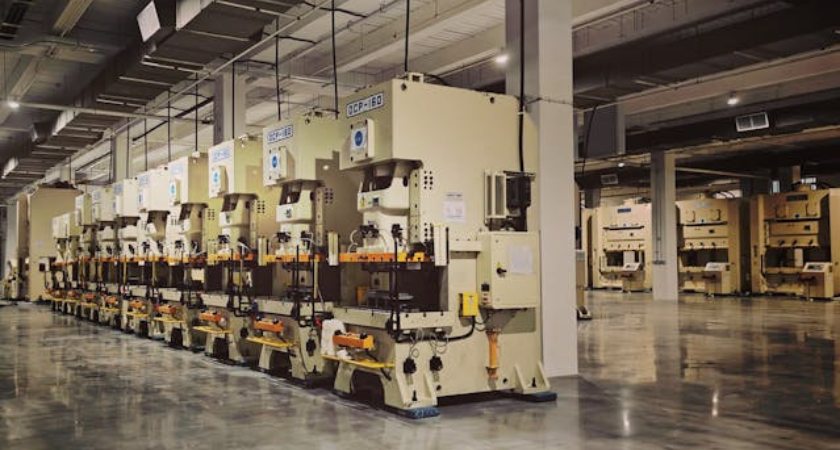
A major expansion by USG Corporation signals continued momentum in heavy industrial and construction materials manufacturing across Texas, as suppliers move closer to growing construction and infrastructure demand centers.
The company is planning a $1.18 billion production facility in Orange that will expand its U.S. manufacturing network for gypsum-based building products used in commercial, residential, and infrastructure projects.
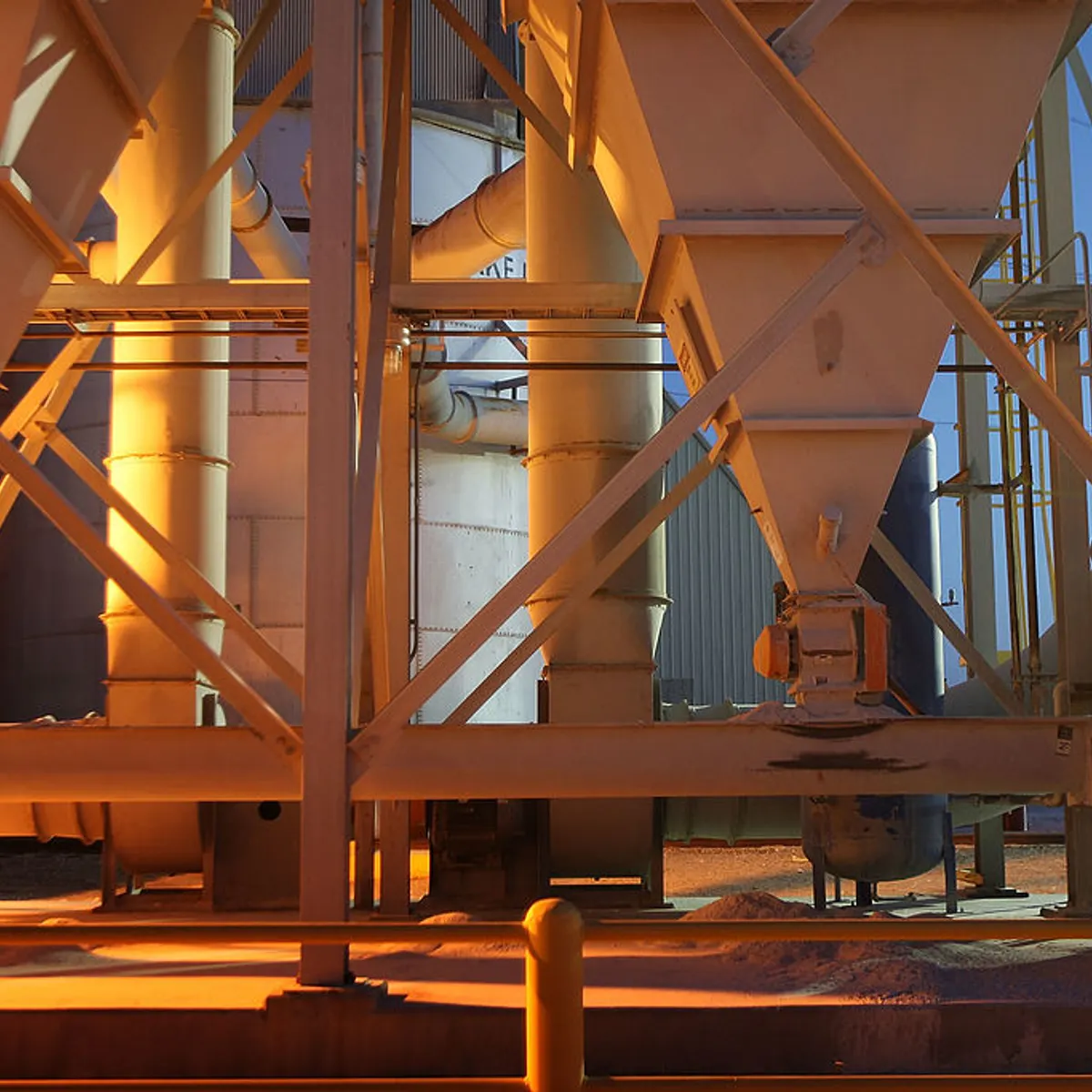
The development is expected to generate nearly 200 jobs and further strengthen USG’s presence in Texas, where the company already operates multiple facilities supporting national construction supply chains.
From a construction standpoint, the project adds another large-scale industrial build to the Gulf Coast pipeline, a region that continues to attract materials manufacturing, energy-adjacent industry, and logistics-driven development due to its access to ports and transportation corridors.
The site under consideration was previously occupied by an industrial paper mill, reflecting a broader trend of repurposing legacy industrial properties into modern manufacturing assets. Such redevelopments often require extensive environmental remediation, demolition work, and utility infrastructure upgrades before vertical construction begins.
The project is being supported through Texas’ Jobs, Energy, Technology and Innovation (JETI) program, which offers qualifying developments temporary property tax valuation limitations in exchange for job creation and capital investment commitments. Local participation includes coordination with the Little Cypress-Mauriceville Consolidated Independent School District, which is expected to play a role in workforce development initiatives tied to the project.
For contractors, the investment highlights continued strength in industrial manufacturing construction, particularly in materials production facilities that support broader housing and infrastructure demand. These projects typically require specialized construction capabilities, including heavy structural work, process equipment installation, and high-capacity utility systems.
Industry-wide, building materials manufacturers are responding to sustained demand from infrastructure upgrades, housing needs, and nonresidential construction activity. Texas, in particular, has become a focal point for new manufacturing investment due to its regulatory environment, labor availability, and proximity to growing regional markets.
While job creation from the project is modest compared to large automotive or data center developments, its capital intensity underscores the scale of modern production facilities and their importance in stabilizing domestic supply chains for construction inputs.
For construction owners and contractors, the project reinforces a broader shift: industrial materials manufacturing is increasingly becoming a core driver of long-duration construction work, especially in states competing for large-scale capital investment.
Originally reported by Nathan Owens in Yahoo News.