WASHINGTON, D.C. — The U.S. Green Building Council has announced its 2026 LEED for Cities certification cohort, naming 17 local governments that will participate in the program aimed at improving sustainability, resilience and quality of life in communities across the United States.
.jpg)
Supported by longtime partner Bank of America, the initiative helps municipalities pursue certification under the LEED v4.1 Existing Cities rating system. The program provides a structured framework for local governments to measure performance, reduce environmental impacts and enhance community well-being.
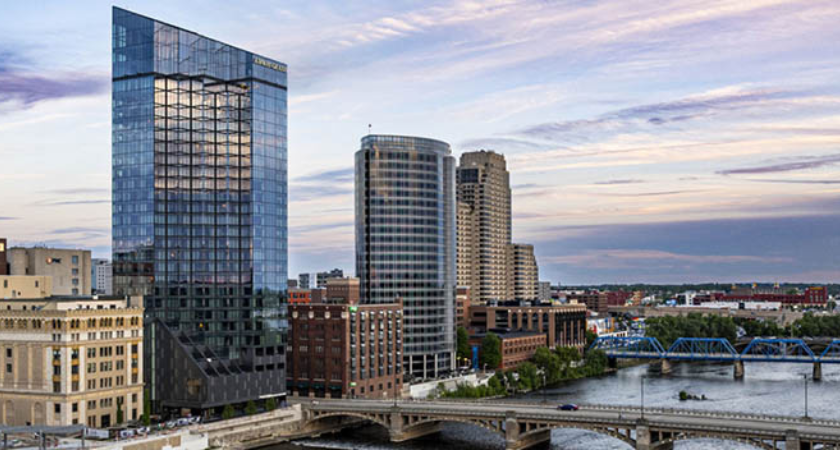
The selected jurisdictions represent a combined population of approximately 2.5 million people and include cities such as Grand Rapids, Michigan; Sacramento, California; and Nashville, Tennessee.
As cities confront increasing pressure from climate change and limited resources, the LEED for Cities program offers a roadmap for sustainable development. The framework emphasizes strategies that improve public health, boost efficiency and strengthen resilience against environmental risks.
“Local governments are a driving force behind creating more sustainable, healthier communities for all residents,” said Peter Templeton, president and CEO of USGBC. “Through the LEED for Cities certification program, these forward-thinking municipalities are setting ambitious goals, measuring their progress, and demonstrating leadership in improving community health, efficiency, resilience, and livability. The 2026 cohort represents a diverse set of cities united in their commitment to creating a better future.”
The cohort is part of USGBC’s broader Local Government Leadership Program, which provides technical assistance, peer collaboration and leadership summits. Participating cities benefit from shared learning opportunities and structured guidance throughout the certification process.
While cities can pursue LEED certification independently, many opt into the cohort model for its collaborative environment. Participants meet regularly to troubleshoot challenges, share data insights and maintain momentum toward certification goals.
“The LEED for Cities Cohort provided valuable structure and support, especially for small sustainability teams like ours,” said Alex Pharmakis, reflecting on his city’s experience as part of the 2025 cohort. “With practical resources and access to a strong network of peers, the program simplified our path to certification.”
Since 2017, the partnership with Bank of America has supported nearly 140 local governments, representing about 58 million residents. Financial backing from the Bank of America Charitable Foundation has exceeded $4.55 million, helping expand access to sustainability tools and certification pathways.
In addition to funding community initiatives, Bank of America has advanced its own sustainability goals. The company reports that more than one-third of its occupied real estate portfolio has achieved green building certifications, with a target of reaching 40% by 2030.
The 2026 cohort includes municipalities from across the country, such as Indianapolis, Indiana; Hoboken, New Jersey; and Westminster, Colorado, reflecting a diverse geographic and demographic mix.
As cities continue to navigate climate challenges and infrastructure demands, the LEED for Cities program is positioned as a key driver of sustainable urban transformation, offering measurable pathways to greener, more resilient communities.
Originally reported by News Room.
.png)


.png)