A federal planning commission has approved plans for a controversial White House ballroom championed by President Donald Trump, even as a federal judge has ordered construction to stop, creating uncertainty over the future of the $400 million project.
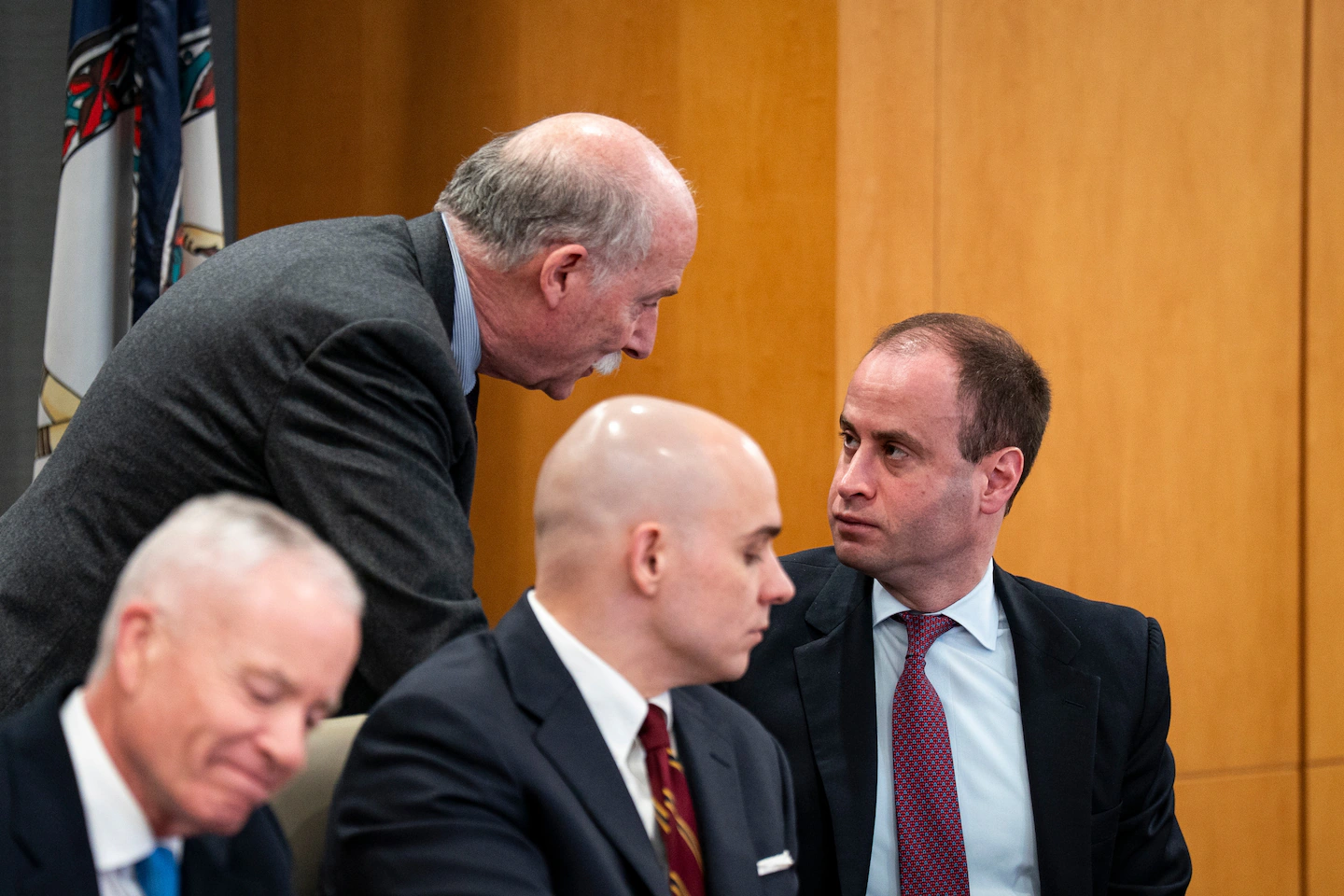
The National Capital Planning Commission voted 8-1 to approve the proposed two-story, 90,000-square-foot ballroom, marking the final procedural step required before construction could proceed. However, the approval comes amid an ongoing legal battle over whether the project requires congressional authorization.
Trump celebrated the decision in a social media post, calling the project a historic addition to the executive residence.
“I am honored to be the first President to finally get this much-needed project,” he wrote. “ ... When completed, it will be the Greatest and Most Beautiful Ballroom of its kind anywhere in the World, and a fabulous complement to our Beautiful and Storied White House!”
Despite the commission’s approval, construction remains on hold following a ruling earlier this week by a federal judge. U.S. District Judge Richard Leon determined that the administration does not have the authority to proceed without congressional approval, ordering a halt to construction activities.
The Trump administration has already filed notice that it will appeal the decision, calling the ruling “egregious.” While the legal process unfolds, officials indicated that planning and review activities could continue.
Commission Chair Will Scharf emphasized that the court order does not affect the panel’s role in reviewing the project.
“We’ll move past that and continue our consideration of the East Wing modernization project,” Scharf said.
The project would replace portions of the East Wing and introduce a large-scale event space intended to host official gatherings and foreign dignitaries. Administration officials have argued that the ballroom would eliminate the need for temporary structures on the South Lawn.
Scharf defended the proposal, saying the addition would become a lasting feature of the White House complex.
“The ballroom will be celebrated as a crucial and contributing aspect of the White House complex,” he said.
Criticism of the project remains widespread, with opponents raising concerns about its scale, funding and lack of congressional oversight.
Phil Mendelson, the D.C. Council chair and the lone vote against the proposal, questioned the size of the structure, which critics say could overshadow the historic White House building.
“It’s just too large,” Mendelson said. “It’s just too large.”
Public opposition has also been significant. According to commission staff, tens of thousands of public comments were submitted, with the vast majority expressing concern or opposition to the project.
Outside the commission meeting, demonstrators gathered to protest the decision, carrying signs criticizing the project as unnecessary and inappropriate for a historic government site.
.webp)
Additional concerns have been raised بشأن the project’s funding structure. The administration has said the ballroom would be financed through private donations, but critics — including lawmakers and watchdog groups — have questioned whether donors could gain influence or preferential access.
Supporters of the project, however, argue it will enhance the president’s ability to host events and strengthen diplomatic engagement.
“Our president is also the convener-in-chief of the United States and the most powerful in the world,” said Edward Forst, administrator of the General Services Administration. “Until now, we’ve convened as we can, probably not convened as we should.”
The approval also reflects a broader shift in how federal design reviews are conducted, with the administration accelerating timelines and consolidating approval steps that typically take months or years.
Even with the commission’s green light, the project’s future hinges on the outcome of legal appeals and whether Congress ultimately chooses to authorize the construction. Until then, the proposed ballroom remains both a centerpiece of the administration’s vision and a focal point of political and legal debate.
Credit: This article is based on reporting by Jonathan Edwards and Dan Diamond, originally published in The Washington Post.
Source: https://www.washingtonpost.com/politics/2026/04/02/trump-white-house-ballroom-approval/