For construction projects serving remote communities, project delivery can involve needs that extend beyond the physical facility. Willmeng Construction recently supported students at Greasewood Springs Community School with a back-to-school supply donation as construction continues on a replacement campus in northeastern Arizona.
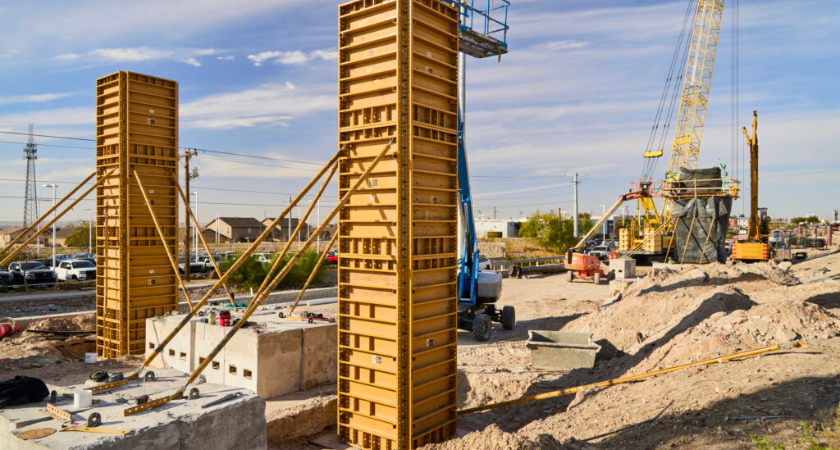
The Greasewood Springs Community School replacement project is located in Ganado, Arizona, and is intended to replace the existing campus, which was built in 1962 and had reached the end of its useful lifecycle. Willmeng is constructing the new campus as part of a federal program partnership involving the Navajo Nation, Bureau of Indian Affairs, Bureau of Indian Education, the U.S. Department of Education and Greasewood Springs Community School.
The new facility is planned to include classrooms and specialized spaces for computer science, science, home economics, fine arts, language and culture, special education, a library and media center. The campus program also includes dining and kitchen facilities, administrative and conference spaces, storage, a 50-student dormitory and housing for teachers.
The school serves students in a geographically isolated area, creating additional logistical considerations for families and project teams working in the community.
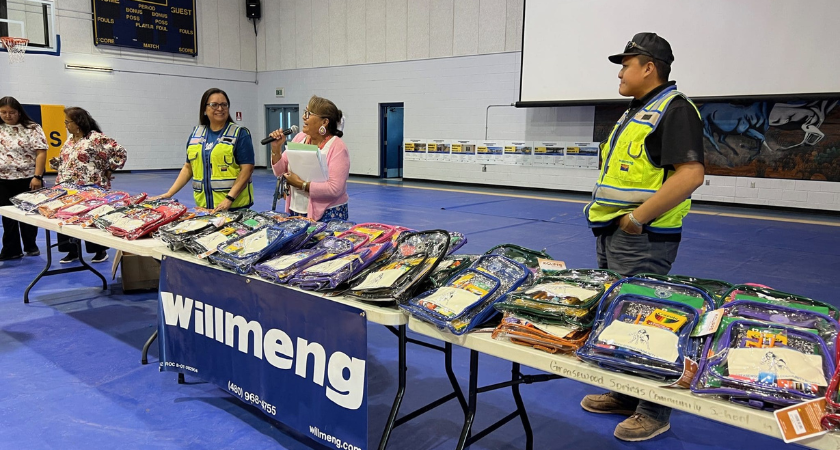
As part of its involvement with the school community, Willmeng provided 130 backpacks containing school supplies to students preparing for the new academic year.
The effort provides a community-support component alongside the construction program, particularly in an area where access to retail and other services can require significant travel.
The school itself is also advancing multiple components of its broader campus development program, including a new kindergarten-through-eighth-grade academic building, residential facilities, staff quarters and facilities for transportation and maintenance.
The Greasewood Springs project demonstrates how construction of public educational facilities can involve both complex physical delivery requirements and community-specific considerations.
For owners and contractors working on remote institutional projects, the development highlights the importance of understanding local access, workforce, housing and service conditions alongside conventional construction requirements. The replacement campus is also intended to provide updated educational and residential infrastructure for a community whose existing school facilities date back more than six decades.
Source: Wilmeng.