Alabama is investing in its future workforce with a new $100,000 scholarship initiative aimed at students pursuing careers in aviation and construction—two sectors critical to the state’s economic growth.
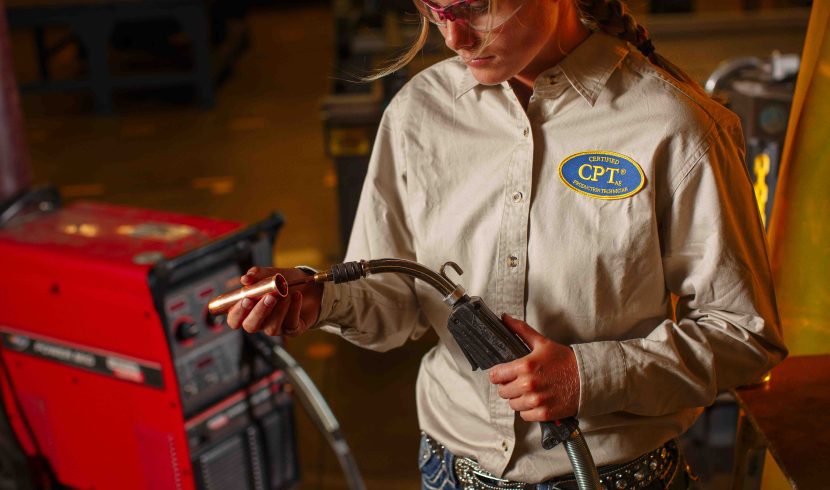
The program, known as Building Futures, is a joint effort between the Alabama Community College System and the Alabama Association of Resource Conservation and Development Councils. The initiative will award 50 scholarships of $2,000 each to students enrolled in one of Alabama’s 24 community colleges.
Applications for the scholarships will open May 4 and close June 12, according to program officials.
State leaders say the program is designed to address growing workforce shortages in essential industries, particularly as demand for skilled labor continues to rise.
“Building Futures was designed to close a critical gap by supporting students in industries essential to the state’s economic growth,” said Gary Weaver, regional workforce director for the Alabama Community College System.
The scholarships are intended to support a wide range of students, including traditional college attendees, adult learners, veterans and individuals re-entering the workforce after job loss. Funds can be used to cover tuition, books and other educational expenses.
Eligible training programs span multiple high-demand fields, including aviation mechanics, avionics, aviation maintenance and construction-related trades such as carpentry, electrical work, plumbing, welding, pipefitting and HVAC/R.
The initiative also extends eligibility to high school seniors participating in dual enrollment programs who plan to continue their education in one of the approved fields at an Alabama community college.
To qualify, applicants must be Alabama residents enrolled in a short-term certificate, non-credit or associate degree program aligned with one of the targeted industries. A minimum 2.5 grade point average is also required.
Applicants must submit a resume, academic transcripts, a professional headshot and a reference letter as part of the application process.
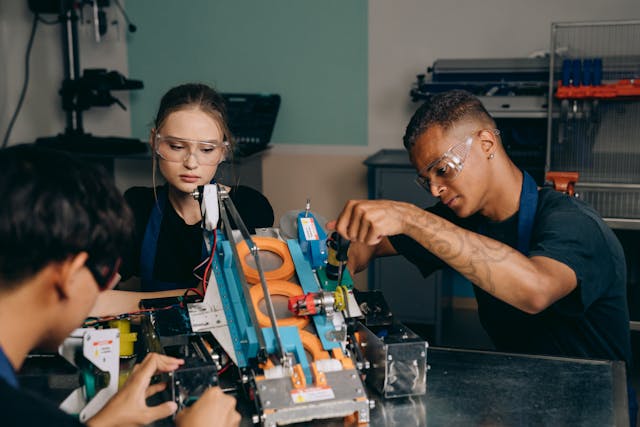
By lowering financial barriers, officials hope the program will encourage more students to pursue careers in technical fields that are essential to infrastructure development and economic expansion.
The scholarship effort reflects a broader trend across the U.S., where states are ramping up investments in workforce development to address labor shortages in construction and skilled trades. As infrastructure projects expand and industries modernize, the need for trained workers continues to outpace supply.
Programs like Building Futures aim to strengthen the talent pipeline while providing individuals with access to stable, well-paying career opportunities.
Originally reported by Trisha Powell Crain in Alabama Daily News.



.png)