A surge in data center construction across Texas is intensifying competition for skilled labor, leaving homebuilders struggling to find enough electricians to keep pace with the state’s rapid population growth.
.jpg)
As Texas adds millions of new residents, the demand for housing has soared. But builders say a new challenge is emerging: large-scale data center projects are drawing electricians away from residential construction with higher pay and long-term opportunities.
“It’s taken us two months longer to build the houses than what it did before the data centers were coming in,” Abilene builder Gene Lantrip said. “That’s the downside.”
The labor shortage highlights a growing tension between two critical development priorities — expanding housing supply and supporting the infrastructure needed for artificial intelligence and data processing.
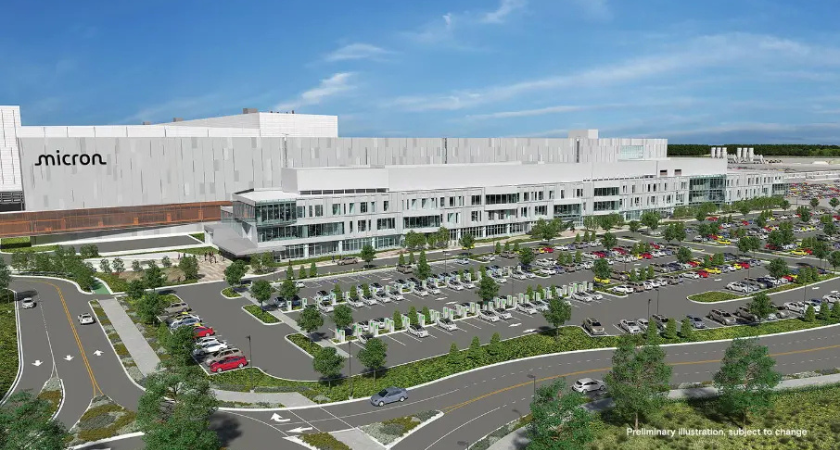
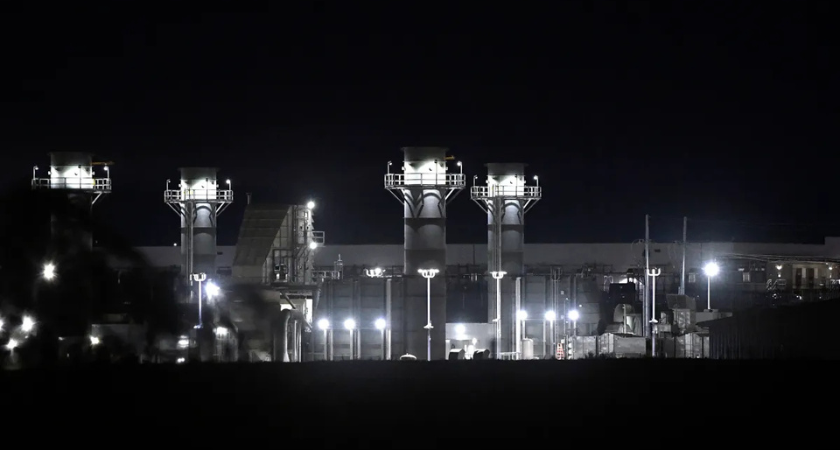
Major technology investments are accelerating the construction of massive data centers across Texas. In Abilene, companies including OpenAI, Oracle and Crusoe are backing a 4 million-square-foot AI-focused facility known as Stargate. The project is one of more than 300 data centers currently operating in the state, with roughly 100 more planned.
These facilities require extensive electrical work to power and cool servers, making electricians essential throughout both construction and operations. According to the International Brotherhood of Electrical Workers, electrical subcontracting can account for between 45% and 70% of a data center’s construction budget.
That demand is translating into significantly higher wages. In some cases, electricians working on data center projects can earn nearly double what residential subcontractors are able to offer.
“My subcontractors don’t have the people. My electrician, he lost two of his lead men and several of his helpers to the data center,” Lantrip said. “Of course, the guys got to do good for their families.”
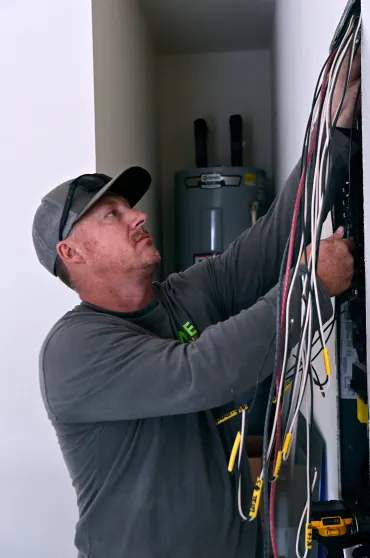
Smaller contractors say they simply cannot compete. Scotty Wristen, an Abilene-based electrical contractor, said he pays around $20 per hour, while data center projects offer closer to $35 per hour along with overtime and per diem benefits.
“Some of them were guys that I’ve had for eight years, five years. They came, they got trained, and they left to go out there,” Wristen said. “I don’t blame them. … It’s less strenuous work but more time on the clock, or more money to take home to the family.”
The shortage is compounded by long-term workforce trends. Industry data shows about 20,000 electricians leave the workforce each year, while a significant portion of current workers are nearing retirement age.
Texas employs roughly 71,000 electricians, but training programs are struggling to keep pace with rising demand. Becoming a licensed electrician requires years of apprenticeship and hands-on experience, limiting how quickly new workers can enter the field.
“You can’t just snap your finger and say, in six months, we’re going to have all these other electricians,” said Scott Norman, CEO of the Texas Association of Builders.
“The data center workforce impact begins with a truly large construction boom, but then tapers to a more specialized, smaller, longer term operational employment that does involve a lot of electrical and technician roles,” said Mark Muro, a senior fellow at the Brookings Institution. “This is really going to stress those pipelines.”
In response, Texas is taking steps to expand its labor pool by easing licensing requirements. The state has begun allowing electricians from states such as Iowa, Alabama and Arkansas to transfer their licenses more easily, aiming to quickly bring experienced workers onto job sites.
Still, it may take time before those efforts produce measurable results.
Meanwhile, contractors are turning to alternative solutions. Some are recruiting high school graduates as apprentices, investing in training despite the initial costs and delays.
“They’re new. They don’t even have a set of tools,” Wristen said. “It’s usually about four or five months of hell where we have little mistakes that cost us time and money. It’s fixable. … And once they are trained in it, you don’t have those little deals anymore.”
For the construction industry, the electrician shortage underscores a broader challenge: balancing the rapid expansion of high-tech infrastructure with the need to deliver essential housing. Without a stronger workforce pipeline, both sectors could face continued delays and rising costs.
Originally reported by Sneha Dey in Texas Tribune.



.png)