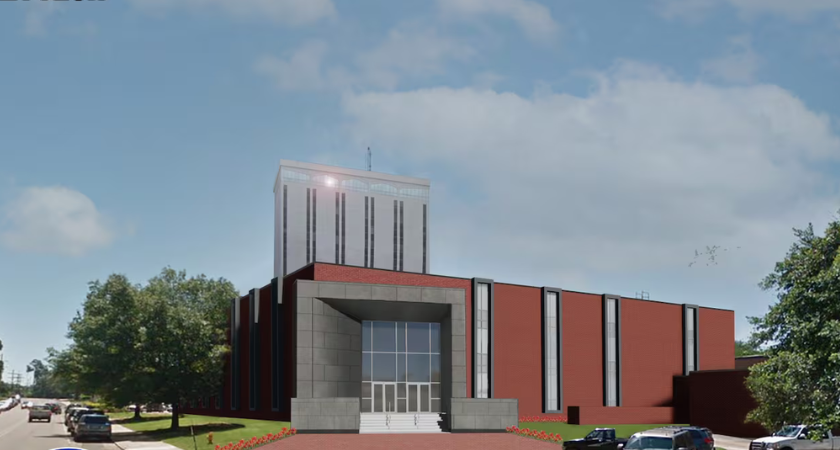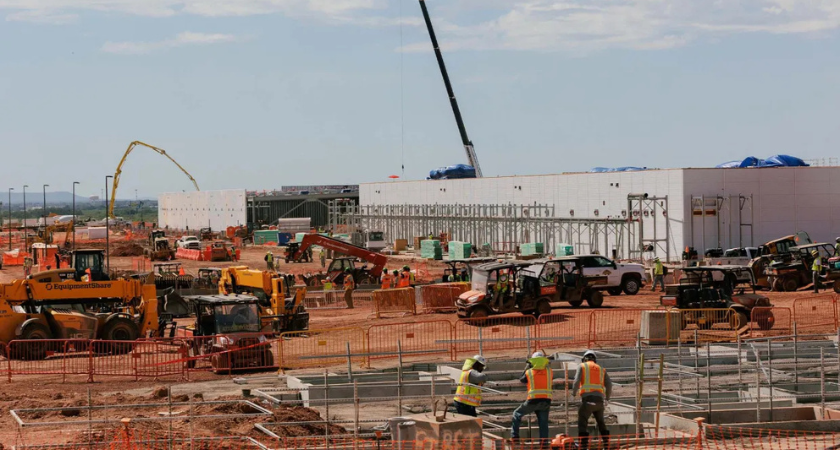
The rapid expansion of data centers—critical infrastructure powering artificial intelligence and cloud computing—is facing mounting challenges tied to energy supply, regulatory hurdles and policy uncertainty, according to a new analysis published by National Review.
.jpg)
The article highlights growing debate among policymakers and industry leaders over the role of data centers in the U.S. economy, particularly as demand for computing power accelerates alongside advancements in AI technologies.
Some political leaders, including Bernie Sanders and Alexandria Ocasio-Cortez, have raised concerns about the societal and environmental impacts of large-scale data center development, even proposing restrictions on new construction.
“Congress has a moral obligation to . . . stop the expansion of these data centers until we have a framework to adequately address the existential harm AI poses to our society,” Ocasio-Cortez said.
However, proponents argue that data centers are essential to economic growth and technological leadership, particularly as global competition intensifies.
A key constraint facing data center development is the availability of reliable electricity. Experts note that the U.S. power grid is struggling to keep pace with rising demand, particularly for large-scale facilities that require consistent, high-capacity energy.
According to Travis Fisher of the Cato Institute, aging infrastructure and regulatory policies are slowing expansion.
“The layer of policy uncertainty is preventing growth; there’s a chilling effect,” Fisher said. “It raises the risk premium and makes everything cost more.”
The issue is compounded by long wait times for grid connections, which can stretch several years. For data center developers, such delays can significantly impact project timelines and investment decisions.
“Power prices are going through the roof, so it makes sense that folks are trying to ease the supply constraints,” Fisher said. “If you want to connect to the grid, it’s going to take forever — upwards of five years sometimes.”
These challenges have contributed to shifting investment patterns, with developers increasingly favoring regions that offer faster access to energy and more business-friendly regulatory environments.
Industry advocates suggest that reducing regulatory barriers and expanding energy infrastructure could accelerate data center growth and support broader economic development.
One proposed approach is Consumer Regulated Electricity (CRE), which would allow privately financed, off-grid power systems to serve large energy users such as data centers. Supporters argue that such models could reduce strain on existing grids while speeding up project delivery.
.jpg)
“CRE just means if you’re not connected to the grid, you wouldn’t be regulated by a state commission or the federal government in terms of the economics,” Fisher said.
The stakes are high, as the U.S. competes with global rivals like China, which is rapidly expanding its power generation capacity to support technology growth.
“The investment is going to go somewhere; it goes where you can get affordable, reliable electricity,” Fisher said. “There is an American answer to this, and it’s free enterprise.”
Data centers, often described as the backbone of the digital economy, support everything from cloud services to advanced AI models. Their expansion is increasingly viewed as essential to maintaining economic competitiveness, enabling new industries and supporting high-wage jobs.
As demand for AI infrastructure grows, the ability to align energy policy, regulatory frameworks and construction capacity will play a decisive role in determining where—and how quickly—data center development continues.
Originally reported by Andrew Follett in National Review.