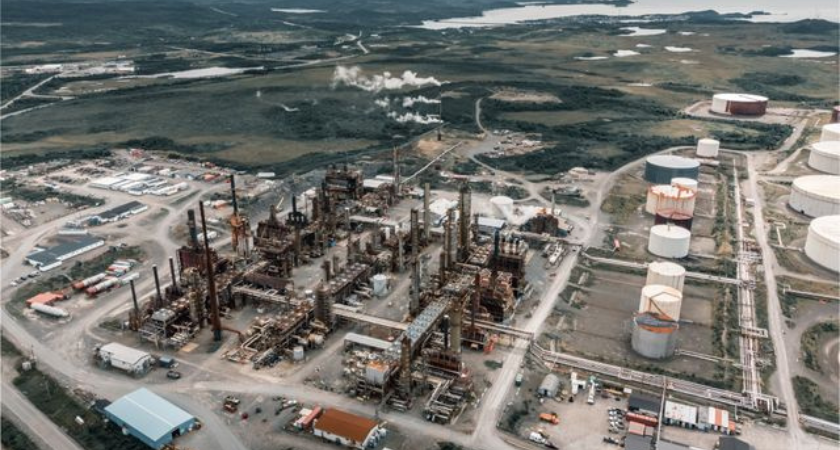
The expansion of one of Canada's major LNG export facilities is moving into execution following a final investment decision, creating a large engineering and construction program for the energy infrastructure sector. Fluor Corporation and JGC Corporation have received notice to proceed on Phase 2 of LNG Canada's facility in Kitimat, British Columbia.
Fluor will recognize its US$7.5 billion portion of the multibillion-dollar contract during the third quarter of fiscal 2026. The joint venture will provide engineering, procurement, fabrication, construction and commissioning services for the expansion.
Phase 2 will be constructed adjacent to the existing LNG Canada facility and will add two liquefaction trains along with an additional LNG storage tank.
The expansion is planned to increase the facility's production capacity from its current configuration to approximately 28 million tonnes per annum. The additional infrastructure will also expand processing, storage and shipping capabilities at the Kitimat site.
The project builds on the delivery of Phase 1 by the Fluor-JGC joint venture. Phase 1 included engineering, procurement, fabrication management, construction and commissioning for two processing trains and related infrastructure.
LNG Canada began producing LNG in June 2025, with facility handover completed in October 2025.
Phase 2 construction is being executed by JGC Fluor BC LNG II JV, a Canadian joint venture owned equally by Fluor Canada Ltd. and JGC Constructors (No2) BC Ltd.
The LNG Canada ownership group consists of Shell with a 40% interest, PETRONAS with 25%, PetroChina with 15%, Mitsubishi Corporation with 15% and KOGAS with 5%.
The project site is located on Canada's west coast and has access to natural gas resources and a deepwater harbor that remains ice-free. Those characteristics support the facility's role in LNG export operations and provide marine access for shipping.
The Phase 2 award adds a major LNG construction program to Fluor's energy portfolio and extends the joint venture's involvement at the Kitimat facility following completion of Phase 1. For owners and contractors working in energy infrastructure, the project illustrates the scale of work associated with expanding existing LNG facilities through additional liquefaction, storage and related export infrastructure.
Source: Fluor.