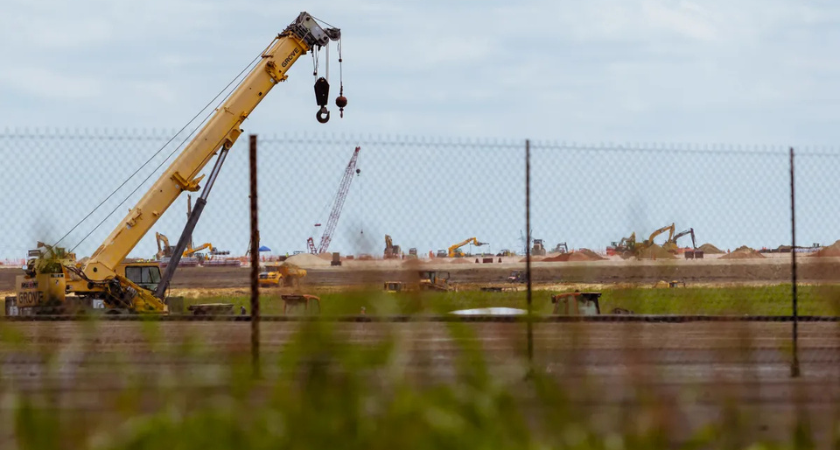
Hill County commissioners have voted to temporarily halt new data center construction in unincorporated parts of the county, marking a significant escalation in the debate over digital infrastructure growth in rural Texas.
The one-year moratorium, approved in a narrow split vote, pauses approvals for new projects while county officials evaluate the potential impact of large-scale data center developments on local infrastructure, utilities, and public services.
.jpg)
The move follows mounting concern from residents near Hillsboro, where developers have explored multiple large data center projects, including a proposed 300-acre campus tied to Provident Data Centers. Local officials said rapid development activity has outpaced the county’s ability to assess long-term consequences tied to power demand, water usage, emergency services, road infrastructure, and noise impacts.
County leaders described the temporary measure as an effort to create time for research and planning rather than a permanent restriction on private development. Officials indicated they want clearer standards and a better understanding of how hyperscale facilities could affect rural communities before additional projects advance.
The moratorium also highlights a growing regulatory gray area in Texas, where counties have limited land-use authority outside incorporated cities. Legal experts and county attorneys have reportedly questioned whether local governments possess the statutory power to restrict this type of industrial development in unincorporated areas.
Despite those concerns, Hill County officials moved forward, acknowledging the possibility of litigation from developers or state authorities challenging the action.
For developers and contractors, the decision introduces new uncertainty into one of the country’s fastest-growing data center markets. Texas has attracted substantial investment from cloud computing, artificial intelligence, and enterprise technology firms due to available land, competitive energy markets, and relatively light zoning restrictions.
However, opposition has intensified in smaller communities where residents are increasingly questioning the scale and pace of development. Similar discussions have emerged in other Texas counties as local governments struggle to balance economic opportunity with infrastructure capacity and community concerns.
Industry stakeholders warned county leaders that delaying projects could discourage investment and reduce future tax revenue tied to industrial growth. Data center developers have argued that projects can support schools, roads, and utility upgrades while creating long-term economic activity.
Still, county officials said the rapid increase in proposed developments has created pressure to establish clearer guardrails before additional projects move forward.
The Hill County decision could influence how other Texas counties approach large-scale digital infrastructure projects, particularly in areas without formal zoning frameworks. It may also encourage broader discussions at the state level regarding oversight, permitting standards, and infrastructure planning for high-density computing facilities.
Construction owners, developers, and contractors pursuing data center work in Texas may face longer entitlement timelines and increased local scrutiny, especially in rural jurisdictions. Community engagement, utility coordination, environmental assessments, and infrastructure planning are becoming more important as counties evaluate the long-term impact of hyperscale developments.
The Hill County moratorium may also signal a shift toward more formal regulatory oversight in markets that historically offered minimal development restrictions. Firms pursuing projects in unincorporated regions could encounter rising legal and political risks as local governments seek greater control over industrial growth.
Originally reported by Alejandra Martinez in Texas Tribune