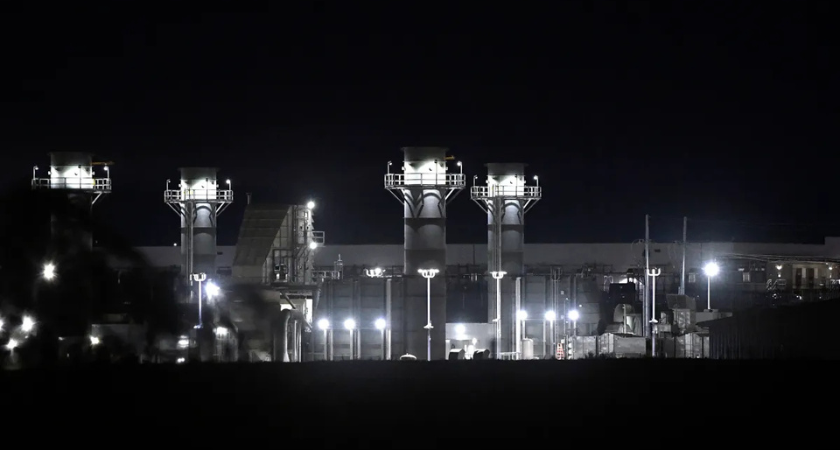
New York’s electric grid could face one of its most challenging summers in decades, with an extended heat wave threatening to strain already thin reliability margins, according to a new assessment from the New York Independent System Operator.
.jpg)
Electric reliability margins this summer are expected to be “the lowest ... in recent history,” the grid operator said, citing extreme weather conditions and an aging generation fleet as key risk factors. The warning raises concerns for infrastructure stakeholders, utilities and construction firms tied to energy development and grid modernization.
“Coordination with generation owners, utility companies, neighboring grid operators, and government officials will be essential as we work to maintain grid reliability this summer,” Aaron Markham, ISO vice president of operations, said in a statement.
The ISO’s annual summer reliability assessment estimates that 34,615 MW of power resources will be available to meet a projected peak demand of 31,578 MW. However, after maintaining a required reserve of 2,620 MW, the state is left with a narrow reliability margin of just 417 MW under baseline conditions.
The report highlights a dramatic decline in reliability margins, which have dropped nearly 80% since 2022, when reserves stood at 1,918 MW. The shrinking cushion reflects a broader transition within the energy sector, where older power plants are retiring faster than new dispatchable generation can come online.
“This assessment reflects the challenges of the grid in transition — declining reliability margins, performance issues with aging generators, and an absence of new dispatchable resources,” Markham said.
For the construction sector, these findings underscore the growing demand for new energy infrastructure, including flexible generation assets, grid upgrades and transmission improvements. Without significant investment, experts warn that reliability risks could intensify as demand grows.
The ISO has previously flagged these concerns. Its long-term planning documents describe New York’s power system as being at an “inflection point,” facing mounting pressure from aging infrastructure and delays in deploying replacement capacity.
The situation becomes more critical under extreme weather scenarios. In the event of a prolonged heat wave lasting three days or more, with average temperatures reaching 95 degrees, the grid’s capacity margin could drop to negative 1,679 MW if no emergency measures are taken. At 98 degrees, the deficit could widen to negative 3,370 MW.
To mitigate these risks, the ISO can deploy emergency actions such as purchasing additional energy, calling for voluntary reductions from large industrial users and temporarily lowering operating reserves. These measures could provide up to 3,166 MW of additional capacity.
Still, officials caution that the margin for error remains extremely tight. “The margin for error is extremely narrow, and most plausible futures point to significant reliability shortfalls within the next ten years,” the report stated.
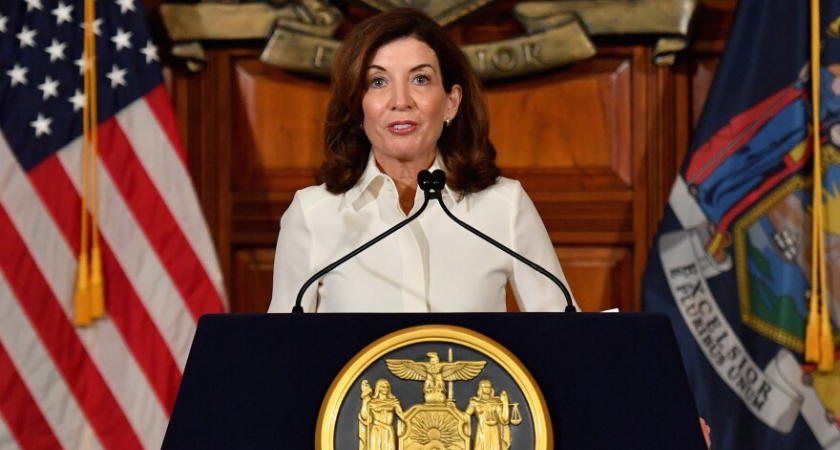
The warning comes as New York grapples with broader energy policy challenges. The state has struggled to meet its decarbonization targets, and Gov. Kathy Hochul is considering adjustments to the state’s landmark 2019 climate law to allow a longer transition timeline.
At the same time, demand for electricity is expected to surge. A 20-year outlook published in 2024 projects total system demand could rise between 50% and 90%, driven by electrification of heating and transportation as well as energy-intensive industries.
For contractors and developers, the outlook signals a significant pipeline of potential work tied to grid resilience, generation capacity and electrification infrastructure. However, it also highlights the urgency of accelerating project delivery to avoid reliability crises.
Originally reported by Robert Walton, Senior Editor in Utility Dive.
.png)


.png)