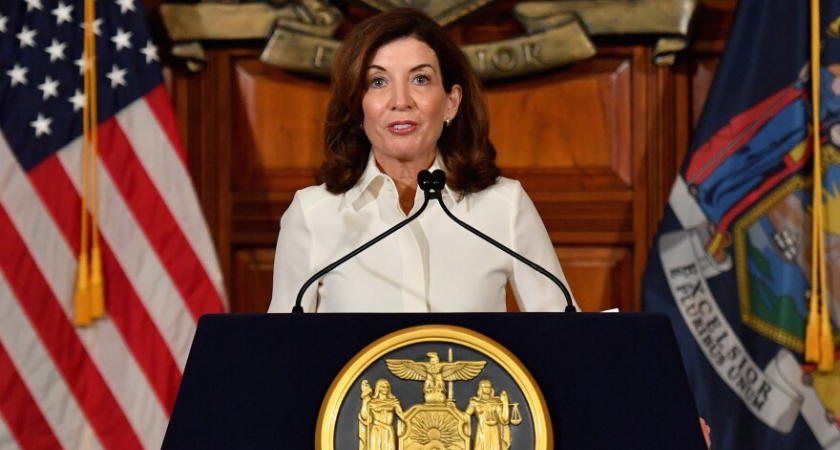
Kathy Hochul has proposed a new tax targeting high-value second homes in New York City, as part of broader efforts to address housing affordability challenges and generate additional revenue.

The proposal would apply to non-resident-owned properties valued at $5 million or more, commonly referred to as pied-à-terre properties. According to state estimates, the measure could impact roughly 13,000 properties across the city.
If enacted, the tax is expected to generate approximately $500 million annually, providing a potential funding stream for housing initiatives and other public needs.
New York is among several states considering or implementing similar policies aimed at high-end second homes, particularly those that remain vacant for much of the year.
Following Hochul’s announcement, Patricia Fahy proposed expanding a version of the tax statewide, citing growing concerns about housing availability beyond New York City.
The broader trend reflects mounting pressure across the United States to address a persistent shortage of affordable housing, as rising home prices and limited supply continue to strain markets.
States such as Montana and Rhode Island have already moved forward with similar measures. Montana implemented a 1.9% tax on second homes, short-term rentals and vacant residential lots, while Rhode Island is set to introduce a tax on non-primary residences valued above $1 million starting July 1.
Lawmakers argue that second-home ownership — particularly when properties sit vacant — can reduce available housing supply and drive up costs for full-time residents.
Upstate regions of New York have seen a “rapid increase” in such properties, according to Fahy, intensifying affordability pressures in smaller communities.
.jpg)
“That imbalance is increasingly felt in smaller communities, where even modest shifts in housing supply and municipal budgets can have outsized consequences,” Fahy said in a news release.
The proposed tax underscores an ongoing policy debate over how best to balance property rights, housing affordability and local economic impacts. While supporters see the measure as a way to generate revenue and discourage underutilized housing, critics may raise concerns about potential effects on real estate investment and market dynamics.
As housing shortages persist nationwide, policymakers are increasingly turning to targeted tax strategies and regulatory reforms to expand supply and stabilize costs.
Originally reported by Ryan Kushner, Editor in Smart Cities Dive.
.png)


.png)