The construction and industrial fabrication sectors are continuing to grapple with long-term skilled labor shortages, even as new milestones highlight growing interest in trade careers among underrepresented groups.
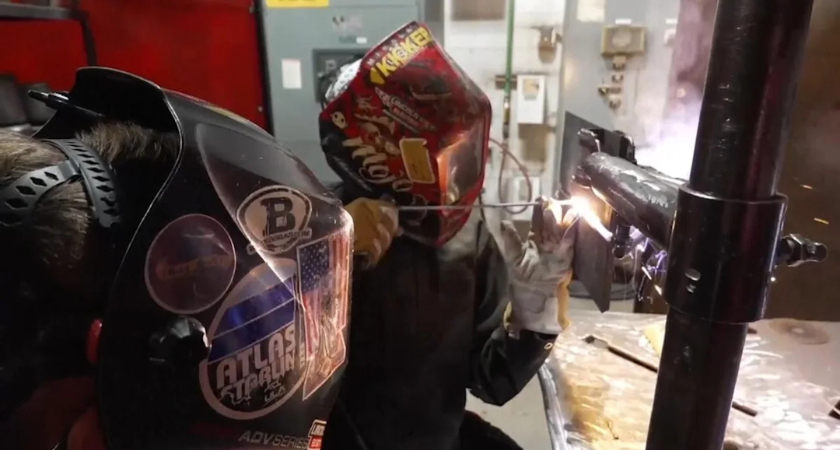
A U.S. welder is preparing to make history as the first woman selected to represent the country in a global welding competition, underscoring both the rising visibility of women in skilled trades and the ongoing effort to expand the workforce pipeline in high-demand technical roles.
The development comes at a time when contractors across infrastructure, energy, manufacturing and heavy industrial construction are reporting sustained difficulty filling welding positions. These roles remain essential to structural steel erection, pipeline construction, shipbuilding, bridge fabrication and advanced manufacturing projects.
Welding, in particular, has been identified as one of the most consistently undersupplied trades in the construction labor market. Industry surveys in recent years have shown that employers frequently struggle to recruit certified welders with the combination of technical precision, safety training and field experience required for complex projects.
At the same time, industry stakeholders are expanding outreach efforts aimed at broadening participation in the trades, including initiatives targeting women, veterans and younger workers entering technical education pathways. Apprenticeship programs, vocational training partnerships and industry competitions are increasingly being used to raise awareness of career opportunities in skilled construction roles.
Workforce experts say representation milestones like this reflect a gradual but important shift in the industry’s labor dynamics. As infrastructure investment continues across the United States, demand for welding and other specialized craft roles is expected to remain elevated, particularly in sectors tied to energy transition projects, transportation upgrades and advanced manufacturing expansion.
Contractors and fabricators are also adapting to tighter labor conditions by investing in automation support systems, prefabrication strategies and expanded training programs designed to improve productivity and reduce reliance on scarce field labor. However, many firms continue to emphasize that human skill remains central to high-quality welding work, particularly in safety-critical applications.
The broader construction industry continues to face a structural workforce challenge driven by retirements, limited new entrants and competition from other sectors offering comparable wages with less physically demanding conditions. As a result, efforts to elevate the profile of skilled trades have become a key priority for contractors, industry associations and workforce development organizations.
Events such as international competitions also play a growing role in showcasing technical excellence and helping reshape perceptions of trade careers. Industry observers note that visibility at this level can help attract new entrants to welding programs and encourage more structured career pathways in technical construction roles.
For construction owners and contractors, continued welding shortages underscore ongoing risk to project schedules, particularly in steel-intensive infrastructure, industrial facilities and energy construction.
Owners may see increased emphasis on early procurement of skilled labor, expanded use of prefabricated assemblies and tighter coordination with specialty subcontractors to mitigate schedule delays. Workforce development partnerships and apprenticeship pipelines are also becoming strategic tools for ensuring long-term labor availability.
As demand for welders remains strong, firms that invest in training, retention and advanced fabrication methods are likely to maintain a competitive advantage in delivering complex projects on time and within budget.
Originally reported by ABC News Videos in Yahoo News.